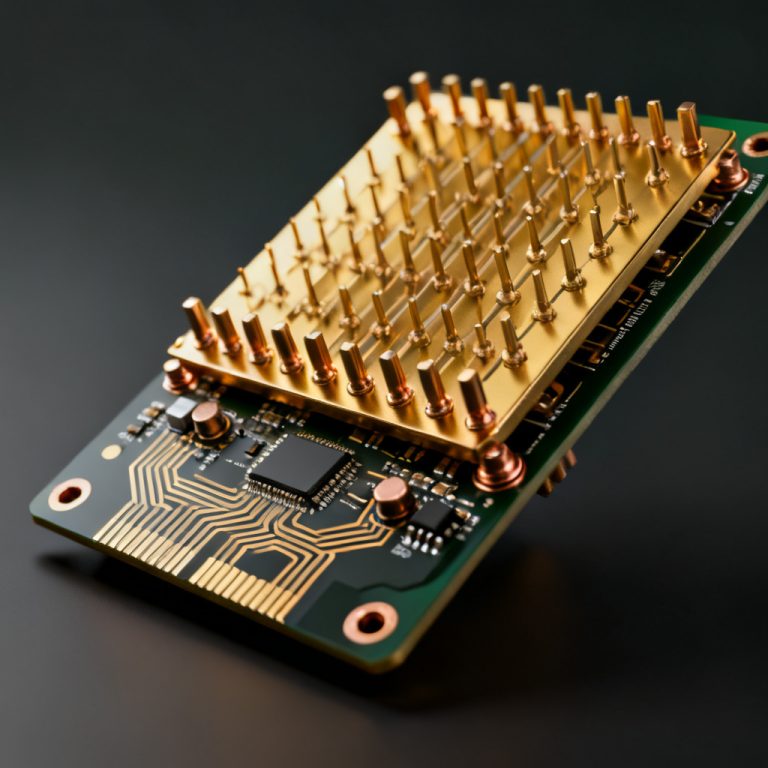
PCB Applications by Industry: Automotive, Medical, Aerospace, Telecom
Printed Circuit Boards (PCB) are the foundation of modern electronics, enabling connectivity and power across industries. When analyzing PCB Applications by Industry Automotive Medical Aerospace Telecom sectors face unique manufacturing challenges
Automotive | Medical | Aerospace | Telecom | FAQ
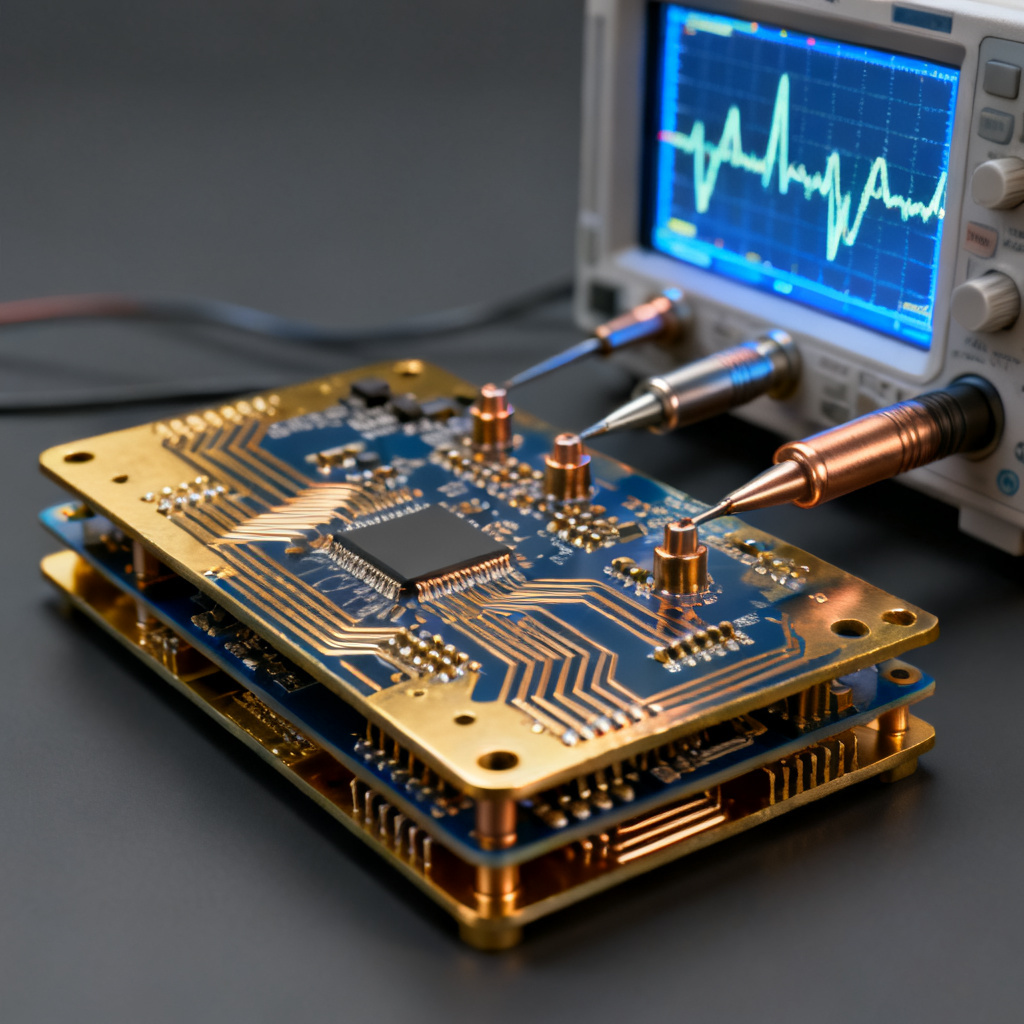
Automotive Industry: PCB for Safety, Efficiency, and Connectivity
The automotive industry requires PCB that withstand extreme temperatures, vibrations, and EMI while ensuring long-term reliability. Key applications include ECUs, ADAS, and infotainment systems.
Engine Control Units and Powertrain PCB
High-temperature PCB (using polyimide or high-Tg FR4) operate up to 150°C. Heavy copper PCB (2-10 oz) handle high currents in EV inverters and battery management systems. Thermal management features like metal-core substrates dissipate heat effectively.
ADAS and Safety System PCB
HDI PCB with fine line/space (3/3 mil) and microvias process high-speed signals for radar and lidar. Rigid-flex PCB are used in steering modules and airbag systems, offering reliability under flexing. These boards adhere to AEC-Q100 and IPC-6012DA standards for zero-defect quality.
Infotainment and Connectivity PCB
Multilayer PCB (6-20 layers) support high-speed data transmission for navigation and telematics. Embedded passives reduce size and improve signal integrity in inner layers.
Manufacturing Challenges and Solutions for Automotive PCB
Vibration resistance uses thicker copper and conformal coating. EMI shielding integrates ground planes and ferrite beads to meet CISPR 25. IATF 16949 certification ensures strict process control and traceability for every board.
Future Trends in Automotive PCB
Flexible and stretchable PCB enable wearable vehicle interfaces. Ceramic PCB handle high-power LED lighting in headlamps.
Medical Industry: PCB for Life-Critical Devices
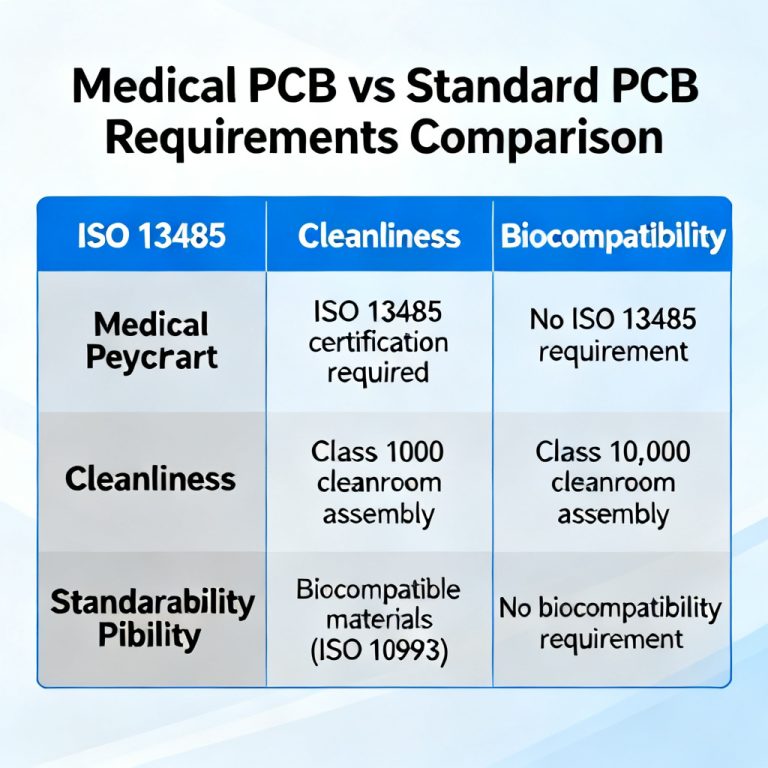
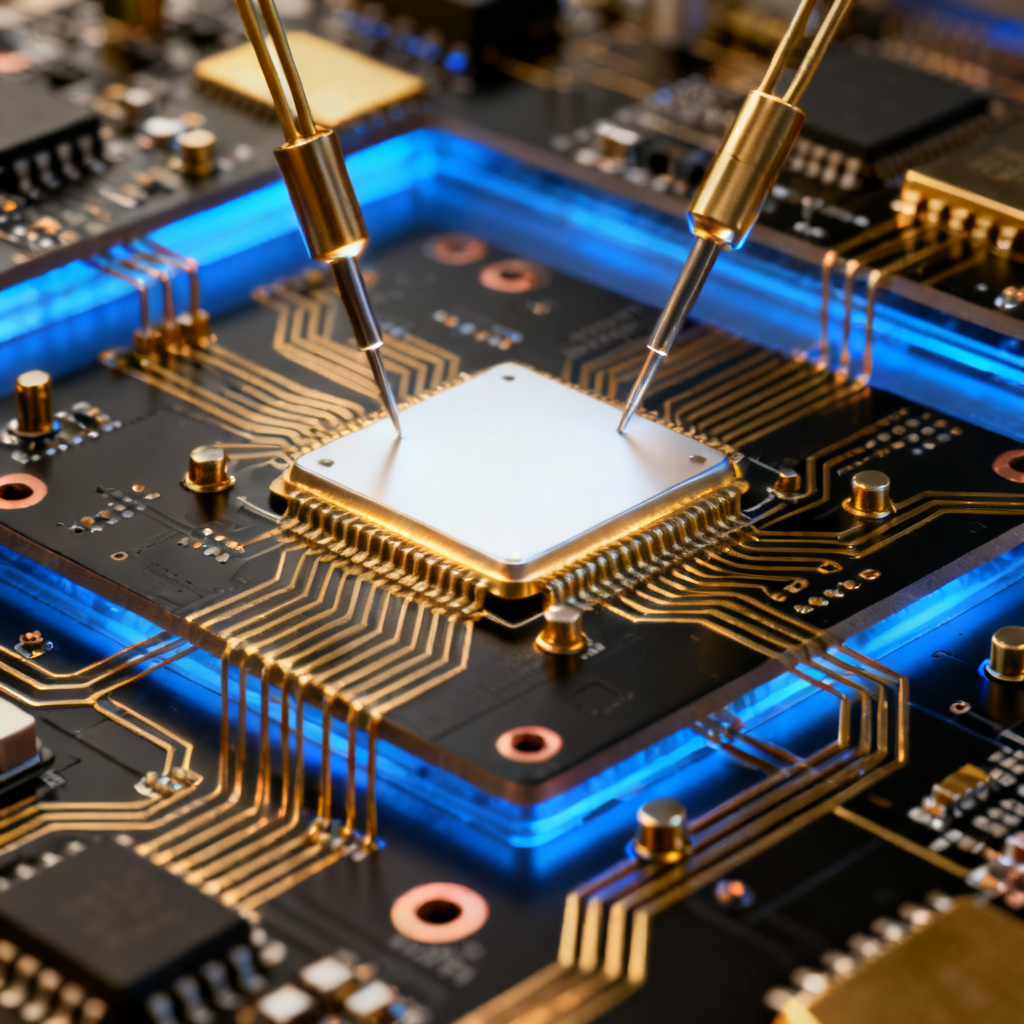
Medical electronics demand PCB with the highest reliability, cleanliness, and precision. Compliance with ISO 13485, FDA, and IEC 60601 is mandatory for safety and electromagnetic compatibility.
Diagnostic Equipment PCB
High-layer count PCB (20-40 layers) process complex signals in MRI and CT scanners, requiring controlled impedance and low dielectric loss. Rigid-flex PCB enable ergonomic handheld ultrasound probes. Materials like Rogers or Isola (low-loss) are used for high-frequency applications such as RF ablation.
Implantable Device PCB
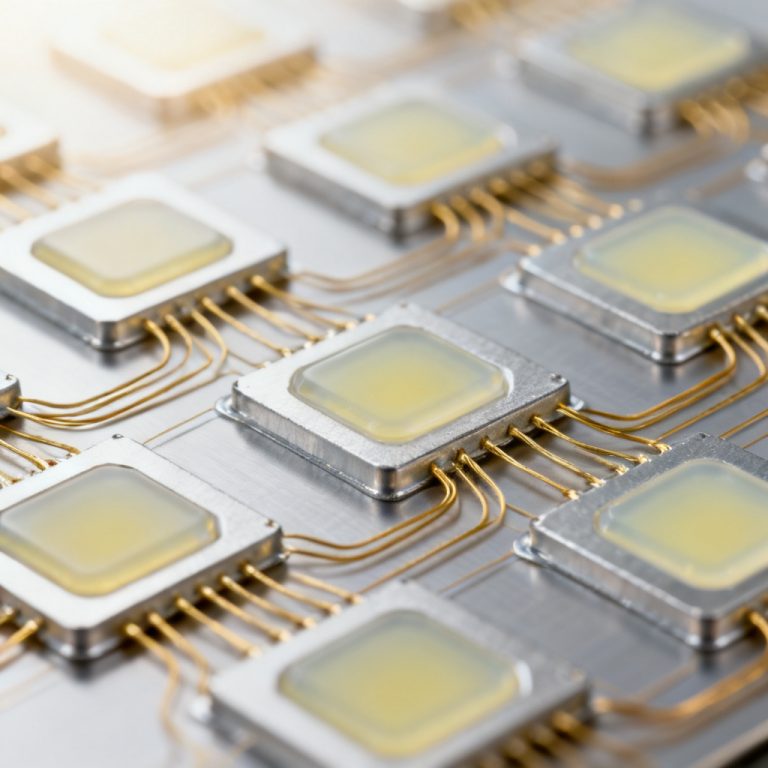
Flexible PCB made from polyimide or LCP conform to biological tissues and must be biocompatible and sterilizable. Miniaturized HDI PCB with microvias and fine pitch (0.4 mm BGA) fit in pacemakers and neurostimulators. Hermetic sealing with ceramic or titanium prevents moisture ingress.
Patient Monitoring System PCB
Low-noise PCB with four to six layers and dedicated ground/power planes ensure signal integrity for ECG and EEG. Conformal coating with parylene or urethane protects against fluids and cleaning agents.
Regulatory Requirements for Medical PCB
ISO 13485 mandates a quality management system. UL 94 V-0 flame retardancy is required. 100% electrical testing and X-ray inspection detect hidden defects in implantable devices.
Future Trends in Medical PCB
Biodegradable PCB are developed for temporary implants. 3D-printed PCB enable custom-shaped medical devices with improved fit.
Aerospace and Defense Industry: PCB for Extreme Environments
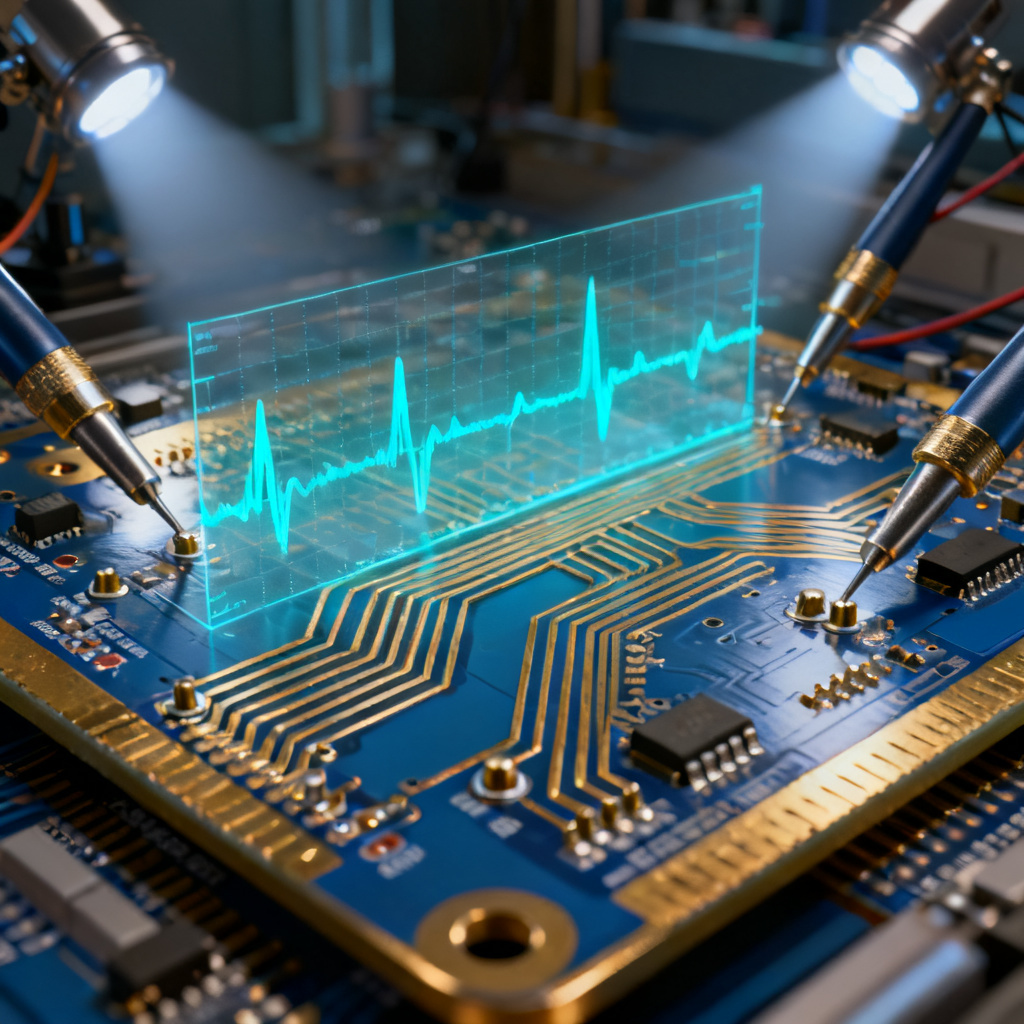
Aerospace and defense PCB operate in harsh conditions: extreme temperatures (-55°C to +125°C), radiation, vacuum, and intense vibration. Reliability is critical to prevent catastrophic failure.
Avionics and Flight Control PCB
High-Tg and polyimide PCB maintain dimensional stability under thermal cycling for engine controls and flight computers. Multilayer PCB (up to 50 layers) with tight impedance control (50Ω ± 5%) support complex navigation and radar systems. IPC-6012ES and MIL-PRF-31032 standards require strict process control and lot traceability.
Satellite and Space System PCB
Radiation-hardened PCB use polyimide, PTFE, or ceramic substrates to withstand cosmic radiation. Additional tantalum or tungsten shielding protects sensitive components. Thermal management with metal-core PCB and thermal vias is critical for satellite power systems. Outgassing testing per ASTM E595 ensures no contamination in vacuum.
Military Communication and Radar PCB
RF/microwave PCB using Rogers 4350B or Taconic RF-35 enable phased-array antennas and secure communication. Flex-rigid PCB reduce weight and space in ruggedized handheld devices and missile guidance systems. Conformal coating (parylene C) protects against salt fog and chemicals.
Manufacturing Challenges for Aerospace PCB
Vibration and shock resistance use through-hole components with lead-forming and epoxy underfill for BGAs. Thermal cycling requires matched-CTE materials like polyimide-copper to prevent delamination. Thermal shock testing (MIL-STD-202) and burn-in weed out infant mortality.
Future Trends in Aerospace PCB
Additive manufacturing enables rapid prototyping of complex-shaped PCB for drones and space rovers. Embedded dielectrics reduce size and weight in high-frequency circuits.
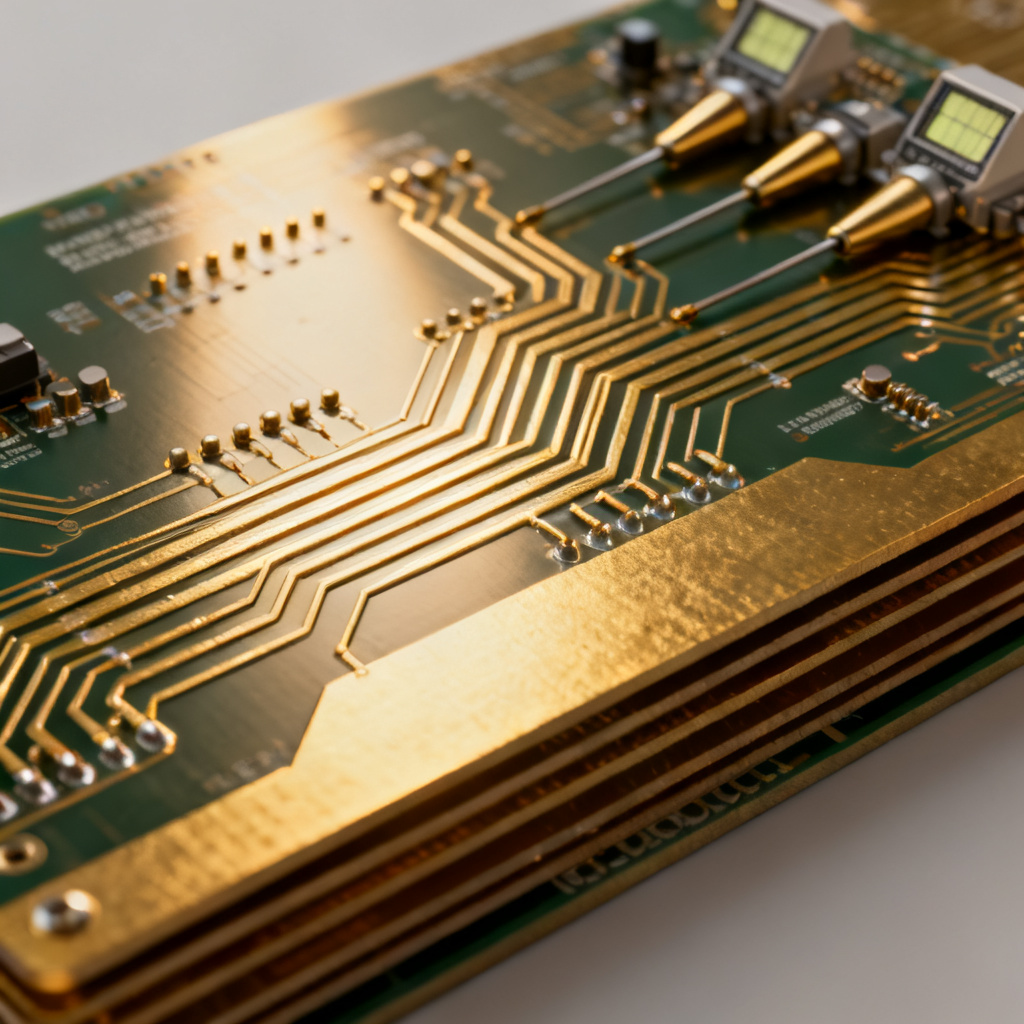
Telecom Industry: PCB for High-Speed Data and 5G
The telecom sector demands high-frequency PCB that handle massive data throughput with minimal signal loss. From 5G base stations to fiber-optic networks, these boards meet stringent electrical and thermal requirements.
5G Base Station and Small Cell PCB
High-frequency PCB use low-loss materials like Rogers 3003, Megtron 6, or PTFE for frequencies up to 100 GHz. Multilayer PCB (12-30 layers) with precise registration and impedance control support beamforming antennas and massive MIMO arrays. Hybrid laminates (Rogers + FR4) balance cost and performance. Thermal management is critical due to high power density in amplifiers.
Optical Networking and Data Center PCB
High-speed digital PCB using Megtron 7 or Nelco N7000 maintain low insertion loss at 25+ Gbps for routers and switches. Backplane PCB (up to 40 layers) with controlled impedance (100Ω ± 10%) and blind/buried vias enable dense routing. Time-domain reflectometry (TDR) testing verifies impedance.
RF and Microwave Communication PCB
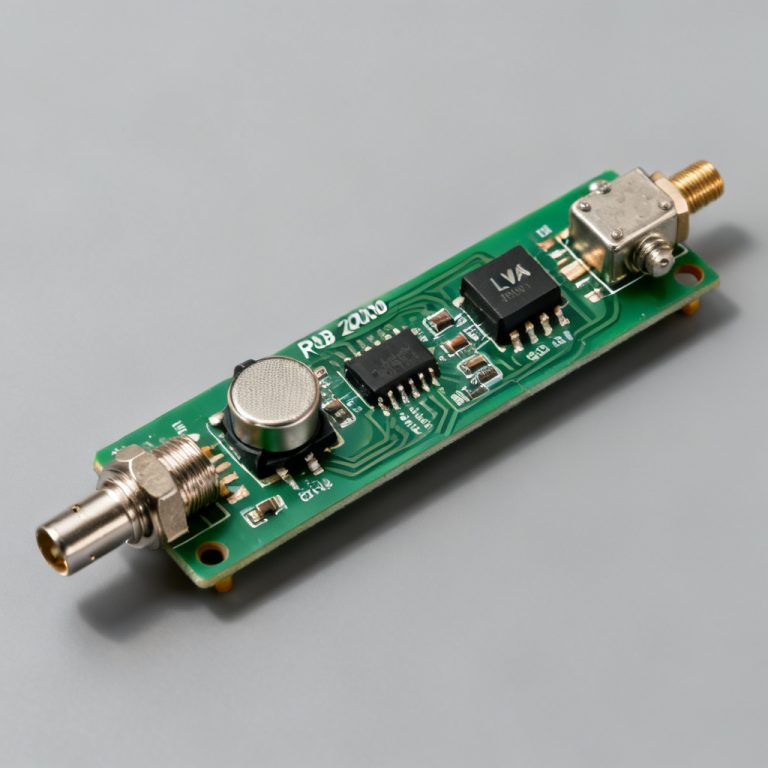
Ceramic-filled PTFE PCB offer low CTE and stable Dk for satellite communication terminals. Metal-core PCB with integrated heat sinks handle high-power RF amplifiers. ENEPIG finish supports wire bonding and high-frequency applications.
Manufacturing Challenges for Telecom PCB
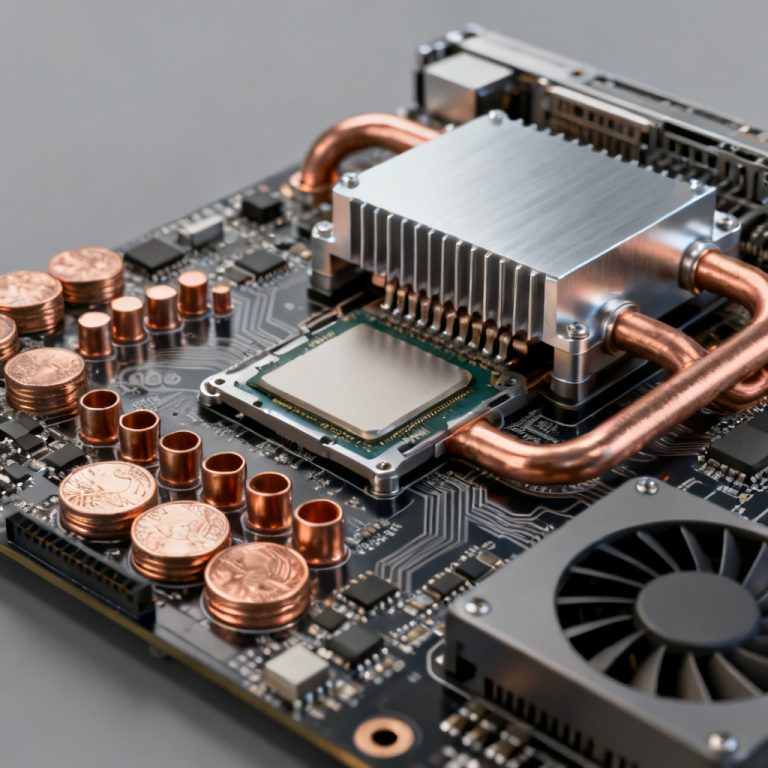
Signal integrity uses smooth copper foils and low-profile laminates to reduce skin effect losses. Thermal management embeds copper coins or thermal vias for heat dissipation. IPC-6012 Class 3 and flying probe testing ensure high reliability on fine-pitch components.
Future Trends in Telecom PCB
Photonic PCB integrate optical waveguides for data transfer beyond 100 Gbps. LCP PCB enable flexible 5G antennas and wearable telecom devices.
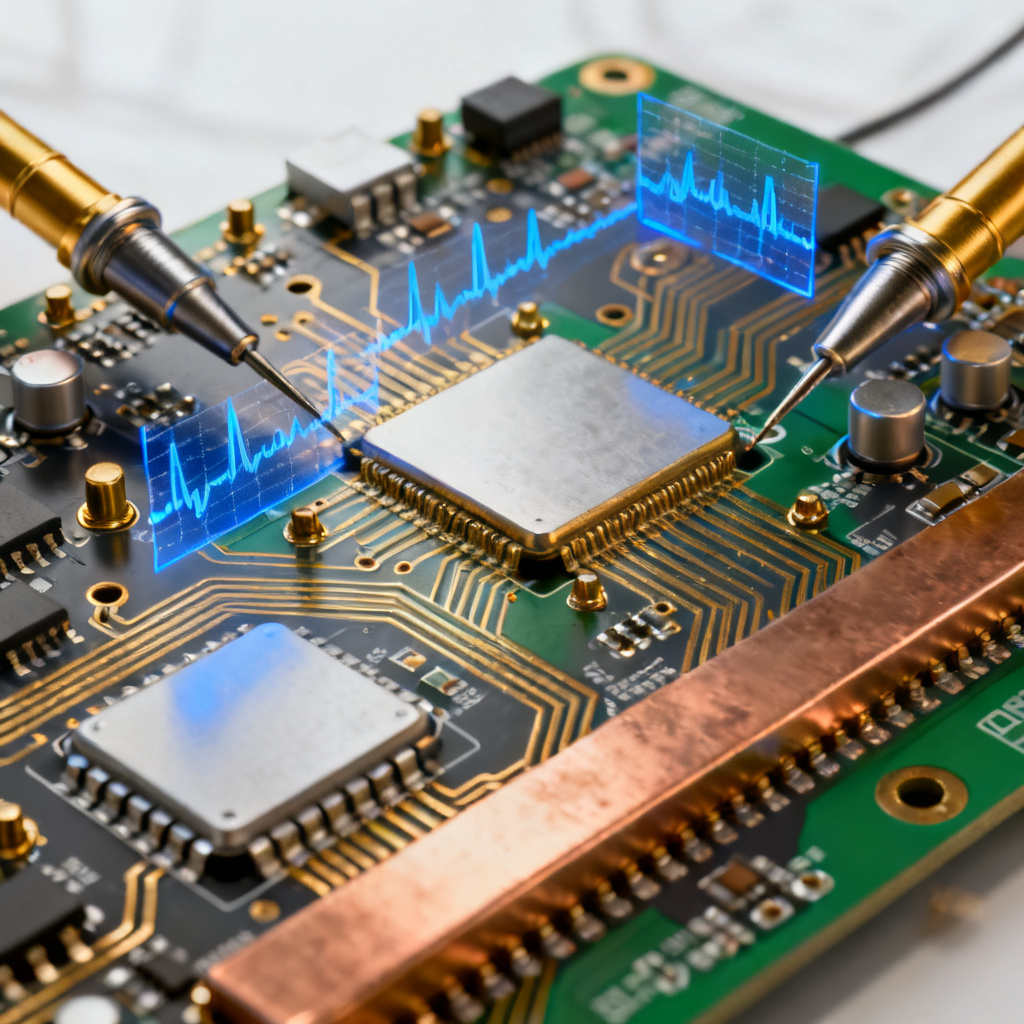
Cross-Industry PCB Selection Guide
| Industry | Key Materials | Typical Layer Count | Critical Standards | Common Finishes |
|---|---|---|---|---|
| Automotive | Polyimide, High-Tg FR4, Alu/Copper core | 4-20 | IATF 16949, AEC-Q100, IPC-6012DA | HASL, ENIG, OSP |
| Medical | Polyimide, Rogers, LCP | 4-40 | ISO 13485, IEC 60601, UL 94 V-0 | ENIG, Immersion Silver |
| Aerospace | Polyimide, PTFE, Ceramic | 6-50 | MIL-PRF-31032, IPC-6012ES, NASA-STD-8739 | ENIG, Gold Flash |
| Telecom | Rogers, Megtron, PTFE, FR4 hybrid | 12-40 | IPC-6012 Class 3, TIA-568 | ENEPIG, Immersion Gold |
PCB Industry Terminology Explained
HDI (High-Density Interconnect) PCB feature microvias and fine line/space for compact designs. High-Tg PCB use materials with high glass transition temperature for thermal stability. Rigid-flex PCB combine rigid and flexible substrates for reliability under movement. Metal-core PCB integrate aluminum or copper layers for heat dissipation. Low-loss PCB use materials with low dielectric constant and dissipation factor for high-frequency signals.
Why Choose Our PCB Services
Our PCB manufacturing follows IATF 16949, ISO 13485, and MIL-PRF-31032 standards for automotive, medical, aerospace, and telecom applications. We offer free design review and DFM recommendations to accelerate your time-to-market. With a focus on high-reliability PCB, we ensure zero-defect quality and strict traceability for every board.