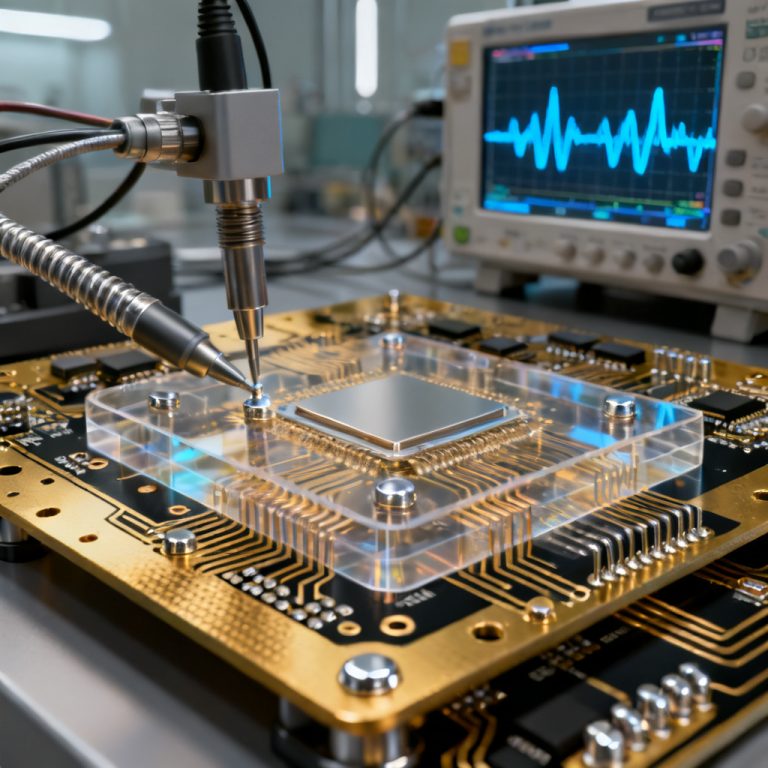
Automotive PCB Guide AEC Q100 IATF 16949 Thermal Cycling
Welcome to the definitive Automotive PCB Guide covering AEC‑Q100, IATF 16949, and thermal cycling. This comprehensive resource explains why automotive PCBs demand uncompromising standards in design, manufacturing, and testing for safety-critical vehicle electronics.
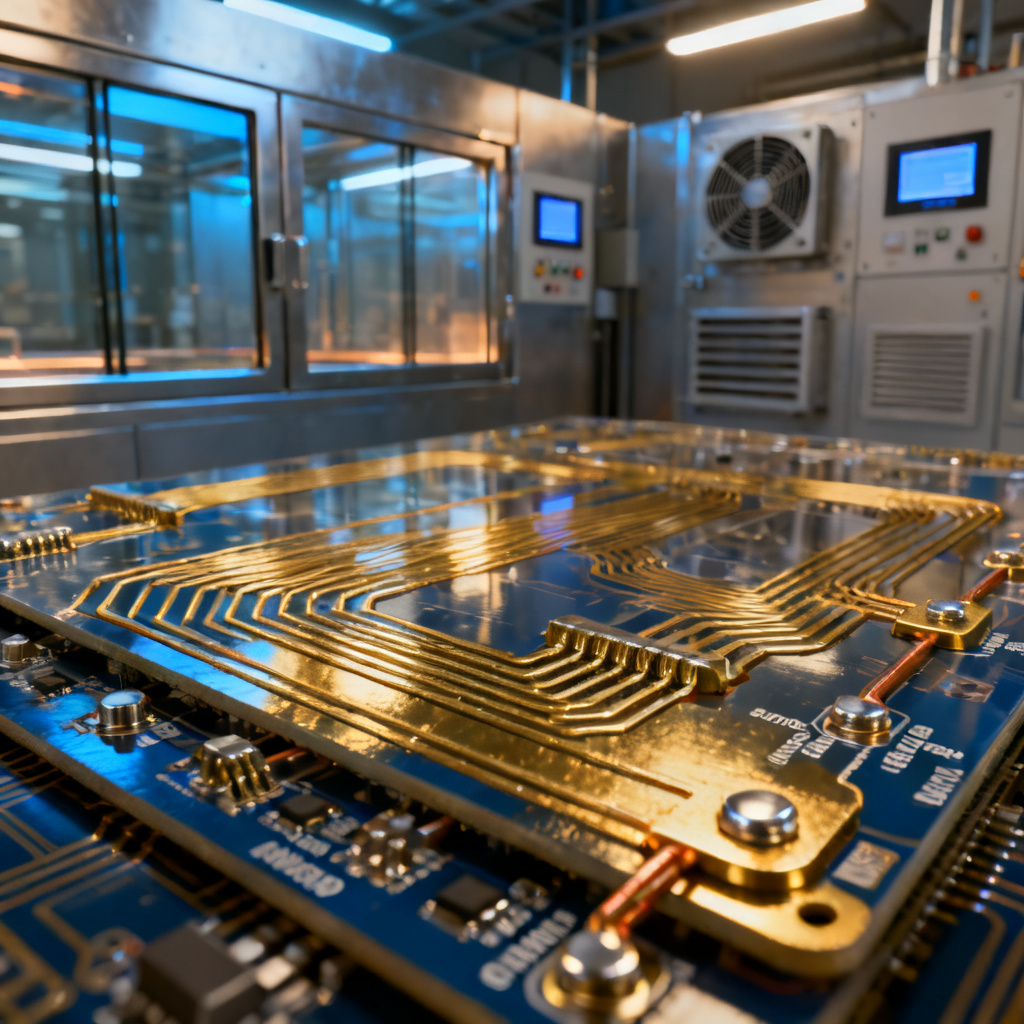
Automotive PCB Guide AEC Q100 IATF 16949 Thermal Cycling
Automotive PCB Guide: AEC‑Q100 Standards for ICs
What is AEC‑Q100 in Automotive PCB Design?
AEC‑Q100 is a failure mechanism-based stress test qualification standard for integrated circuits (ICs) used in automotive applications. Developed by the Automotive Electronics Council (AEC), it ensures ICs survive extreme vehicle conditions. Compliance with AEC‑Q100 is a prerequisite for automotive-grade ICs, minimizing field failure risks.
Key Stress Tests Under AEC‑Q100
AEC‑Q100 specifies multiple test groups targeting specific failure mechanisms. The most critical include temperature cycling (TC), high-temperature operating life (HTOL), preconditioning (PC), ESD sensitivity testing, and bias life test (BLT). These tests directly influence automotive PCB reliability.
AEC‑Q100 Grades and Temperature Ranges
| Grade | Temperature Range | Typical Application |
|---|---|---|
| Grade 0 | -40°C to +150°C | Engine compartment, transmission |
| Grade 1 | -40°C to +125°C | Under-hood components |
| Grade 2 | -40°C to +105°C | Passenger cabin |
| Grade 3 | -40°C to +85°C | Interior displays |
AEC‑Q100 and PCB Design Implications
While AEC‑Q100 focuses on ICs, its requirements directly influence automotive PCB design. Thermal management demands high-Tg FR-4 (≥170°C) or polyimide materials. Pad design must optimize solder joint reliability under thermal cycling, using non-solder mask defined (NSMD) pads. Thicker copper (2 oz or more) reduces thermal resistance for high-current circuits.
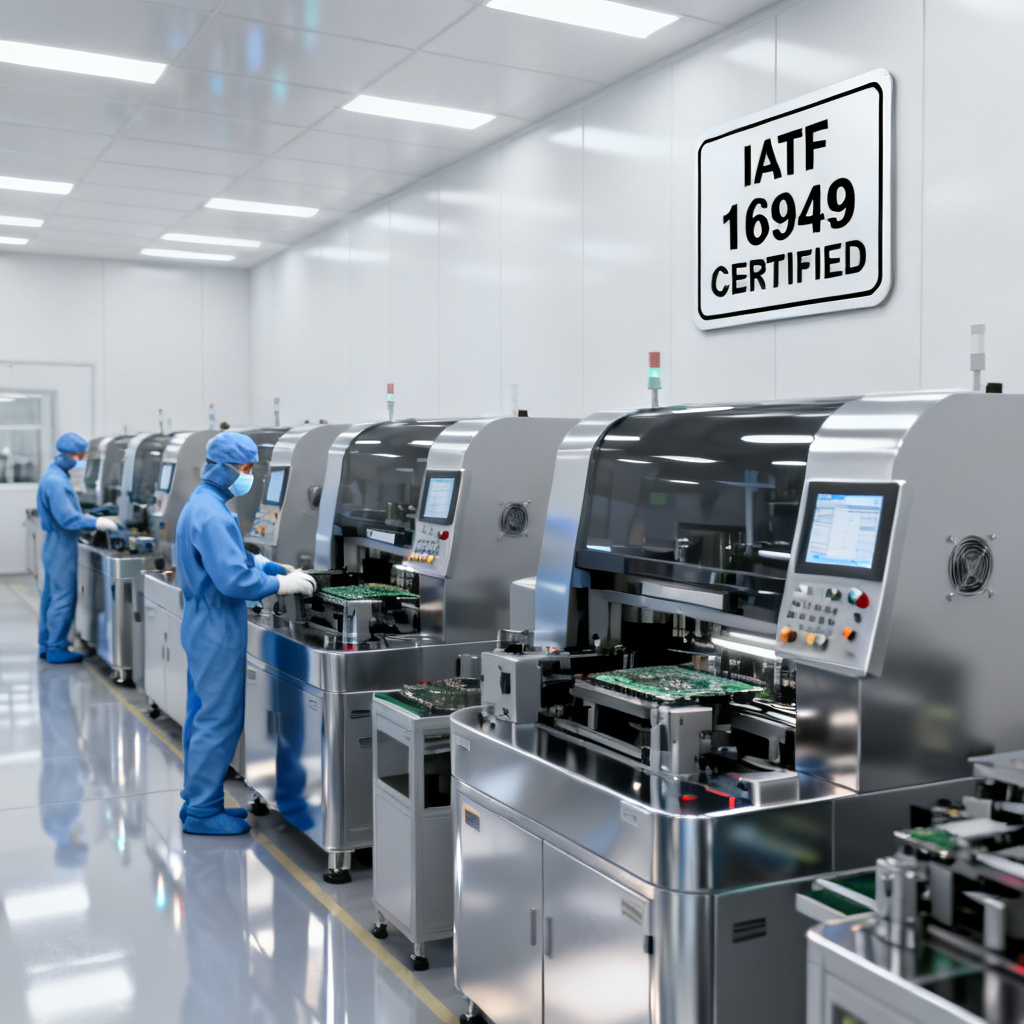
Automotive PCB Guide: IATF 16949 Quality Management
What is IATF 16949 for Automotive PCB Manufacturing?
IATF 16949 is an international quality management system (QMS) standard specifically for the automotive industry. For automotive PCB manufacturers, IATF 16949 certification ensures every process meets stringent defect prevention and continuous improvement standards. This is non-negotiable for supplying Tier 1 automakers.
Core Requirements for Automotive PCB Production
IATF 16949 imposes critical requirements on automotive PCB fabrication. Product safety and traceability require serial numbers or lot codes. Failure mode and effects analysis (FMEA) documents design and process risks. Statistical process control (SPC) monitors key parameters with Cpk ≥ 1.33. Change management requires formal PPAP approval.
IATF 16949 vs. ISO 9001 for Automotive PCBs
While ISO 9001 is broad, IATF 16949 adds automotive-specific layers. Customer-specific requirements (CSRs) from automakers like Ford, GM, and VW must be met. Warranty and field failure analysis tracks return data. Employee competency certification is required for critical processes like lamination and plating.
How IATF 16949 Impacts Automotive PCB Procurement
For procurement teams, IATF 16949 certification of the manufacturer ensures consistent quality, faster PPAP approval, and supply chain resilience. Certified manufacturers have pre-established documentation such as control plans and measurement system analysis, reducing the risk of production line halts.
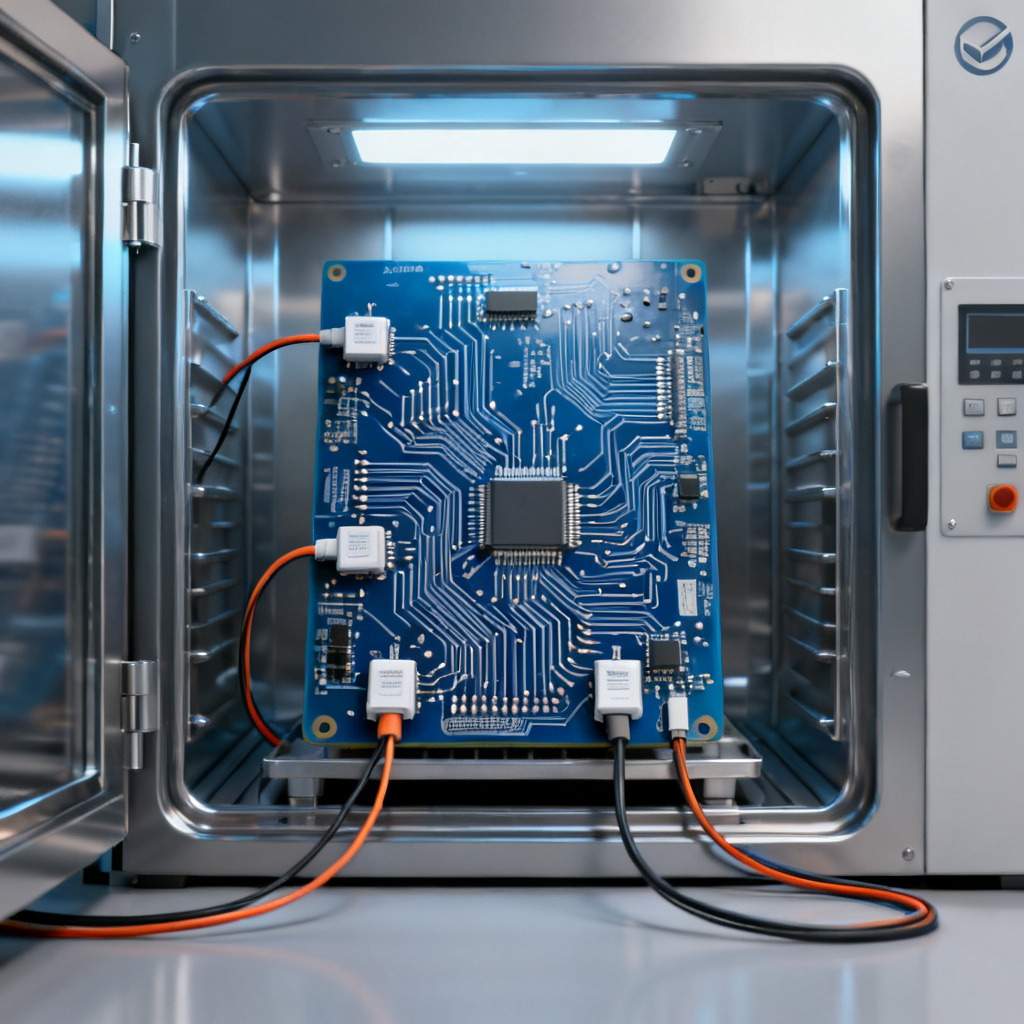
Automotive PCB Guide: Thermal Cycling Reliability Testing
Why Thermal Cycling Matters for Automotive PCBs
Thermal cycling simulates extreme temperature fluctuations that automotive PCBs experience in real-world use. An engine control unit (ECU) may see cycles between -40°C and +125°C. Thermal cycling testing exposes weaknesses in copper-to-laminate adhesion, plated through-hole (PTH) integrity, and solder joint fatigue.
Thermal Cycling Test Standards and Parameters
| Standard | Temperature Range | Cycles | Dwell Time |
|---|---|---|---|
| IPC-TM-650 Method 2.6.7.2 | -55°C to +125°C | 500–1000 | 15 min |
| IEC 60068-2-14 | -55°C to +125°C | 500–2000 | 10–15 min |
| AEC-Q100 (ICs) | -55°C to +125°C | 1000 | 15 min |
Material Selection for Thermal Cycling Performance
To pass thermal cycling tests, automotive PCB materials must have low coefficient of thermal expansion (CTE), high glass transition temperature (Tg ≥ 170°C), high decomposition temperature (Td ≥ 340°C), and low water absorption (< 0.1%). Recommended materials include high-Tg FR-4 (Isola 370HR), polyimide (DuPont Pyralux), and ceramic-filled PTFE (Rogers RO4350B).
Design Strategies to Improve Thermal Cycling Reliability
Beyond material selection, design plays a critical role. Via-in-pad with filled vias reduces stress on vias. Optimized stackups with symmetric copper distribution reduce warpage. Teardrop pads minimize stress concentration at junctions. Avoid 90° corners on traces to prevent crack initiation. Controlled impedance maintains signal integrity across temperature ranges.
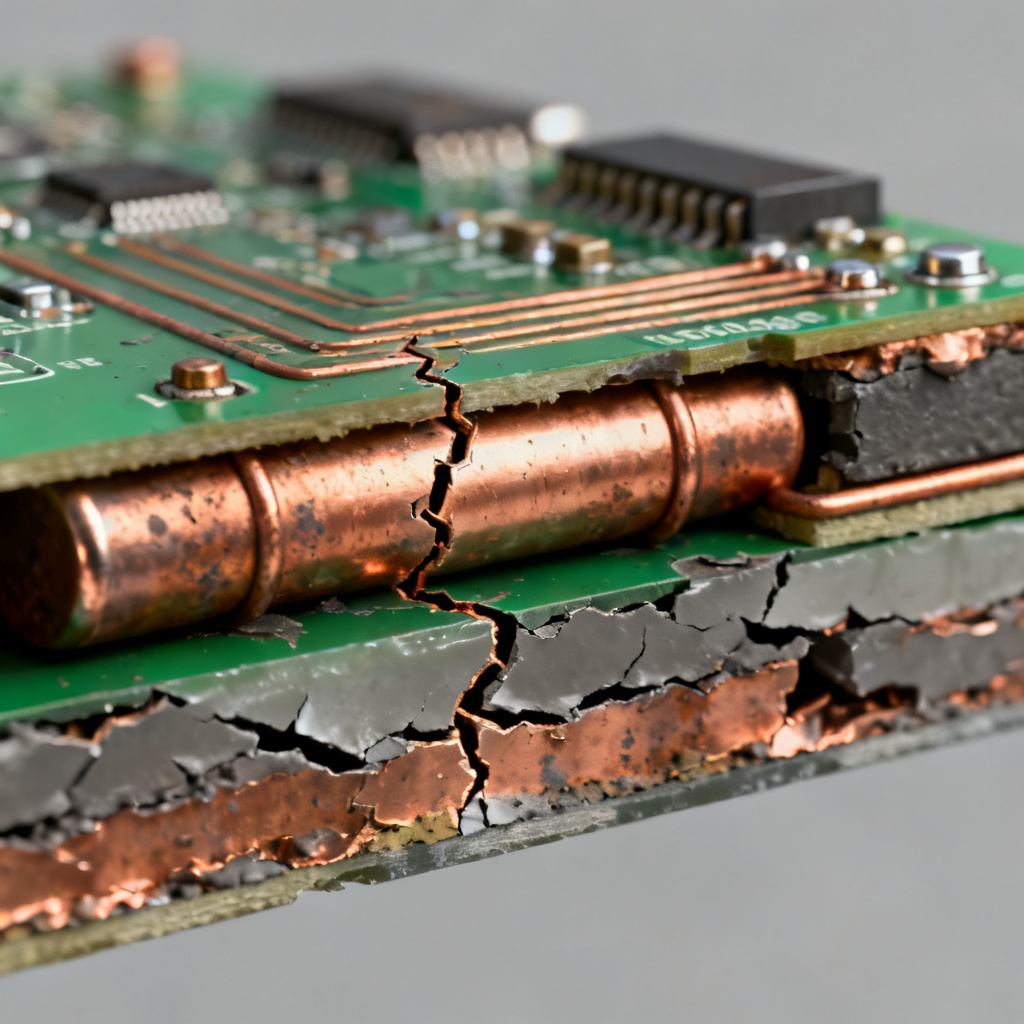
Thermal Cycling Failure Modes and Root Causes
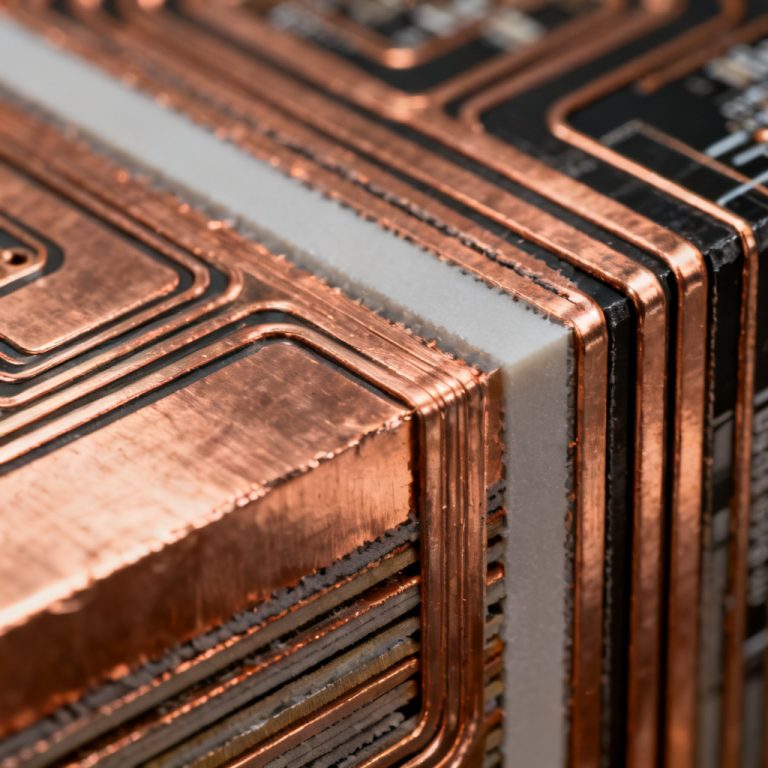
Common failures include barrel cracks due to Z-axis expansion, pad lifting from weak adhesion, solder joint fatigue from CTE mismatch, and delamination from moisture or thermal stress. Mitigation strategies include thicker copper plating, adhesion-promoting treatments, underfill materials, and pre-baking PCBs before assembly.
Integrating AEC‑Q100, IATF 16949, and Thermal Cycling
Step-by-Step Workflow for Automotive PCB Development
Define requirements based on application (e.g., engine ECU, battery management). Select AEC-Q100 qualified components (Grade 0 or 1). Design using CAD tools with automotive design rules. Partner with IATF 16949 certified manufacturers. Prototype and test with thermal cycling (500 cycles, -40°C to +125°C). Implement SPC for production runs with traceability.
Common Pitfalls to Avoid
Underestimating thermal cycling leads to failures after 200–300 cycles. Ignoring IATF 16949 documentation causes PPAP rejection. Using non-AEC-Q100 parts can cause system failure under thermal stress. Always test beyond minimum requirements and verify component certificates.
Future Trends in Automotive PCB Standards
Higher temperature grades with SiC and GaN devices approaching 200°C require new AEC-Q100 grades and materials like polyimide with Td > 400°C. AI-driven testing predicts thermal cycling failures from design parameters. IATF 16949 evolves to include environmental metrics like carbon footprint.
Choosing the Right Automotive PCB Supplier
Key Criteria for Supplier Selection
Verify IATF 16949 and ISO 9001 certifications. Check for in-house thermal cycling chambers and IPC-TM-650 test capabilities. Ensure inventory of automotive-grade laminates. Confirm traceability systems with serial numbers or 2D barcodes. Evaluate lead time for prototypes (5–7 days) and volume production (4–6 weeks).
Questions to Ask Your Supplier
“Do you have IATF 16949 certification? Can you share the certificate number?” “What thermal cycling test standards do you follow?” “Can you provide a PPAP package including FMEA and control plan?” “What is your typical yield for automotive PCBs?” “Do you offer DFM feedback for thermal cycling?”

FAQ: Automotive PCB Guide – AEC‑Q100, IATF 16949 & Thermal Cycling
What is the difference between AEC‑Q100 and IATF 16949?
AEC‑Q100 qualifies individual integrated circuits for automotive use, while IATF 16949 is a quality management system for manufacturing processes. Both are essential for automotive PCB reliability.
How many thermal cycles does an automotive PCB need?
Typically 500 to 1000 cycles for standard automotive PCBs, but mission-critical applications may require 2000 cycles. The exact number depends on the application and customer requirements.
What materials are best for automotive PCBs under thermal cycling?
High-Tg FR-4 (e.g., Isola 370HR) for Grade 2 applications, polyimide (e.g., DuPont Pyralux) for high-temperature designs, and ceramic-filled PTFE (e.g., Rogers RO4350B) for RF circuits.
Why is IATF 16949 important for PCB manufacturers?
IATF 16949 ensures consistent quality, traceability, and defect prevention in automotive PCB manufacturing. It is required by Tier 1 automakers and OEMs for supply chain approval.
Can I use non-AEC‑Q100 parts in automotive PCBs?
Using non-AEC‑Q100 parts increases the risk of field failure under thermal and environmental stress. For safety-critical applications, only AEC‑Q100 qualified components should be used.
Comparison: IATF 16949 Certified vs. Non-Certified Automotive PCB Suppliers
| Criteria | IATF 16949 Certified Supplier | Non-Certified Supplier |
|---|---|---|
| Quality Consistency | High (Cpk ≥ 1.33) | Variable |
| Traceability | Full lot and serial number tracking | Limited or none |
| PPAP Approval Speed | Fast (pre-established documentation) | Slow (ad-hoc documentation) |
| Thermal Cycling Testing | In-house IPC-TM-650 capability | May outsource |
| Field Failure Analysis | Root cause analysis included | Not guaranteed |
Glossary of Automotive PCB Terms
AEC‑Q100
A failure mechanism-based stress test qualification standard for integrated circuits used in automotive applications, ensuring reliability under extreme conditions.
IATF 16949
An international quality management system standard for the automotive industry, requiring defect prevention, traceability, and continuous improvement.
Thermal Cycling
A reliability test that subjects PCBs to repeated temperature changes to evaluate resistance to thermal stress and fatigue.
CTE (Coefficient of Thermal Expansion)
A material property indicating how much it expands with temperature; low CTE is critical for automotive PCB reliability.
Tg (Glass Transition Temperature)
The temperature at which a laminate begins to soften; high-Tg materials (≥170°C) are required for automotive PCBs.