Inspection Standards IPC A 600 IPC 6012
In the world of printed circuit board (PCB) production, quality is non-negotiable. Whether you are designing a prototype for a medical device or mass-producing boards for industrial automation, the reliability of your PCB directly impacts your product’s performance and lifespan. This is where Inspection Standards IPC A 600 IPC 6012 become the bedrock of global PCB quality assurance. These two standards are the most widely referenced documents in the PCB industry, defining what constitutes an acceptable, defective, or target-quality board.
Part 1: IPC‑A‑600 – Acceptability of Printed Boards
1.1 What is IPC‑A‑600?
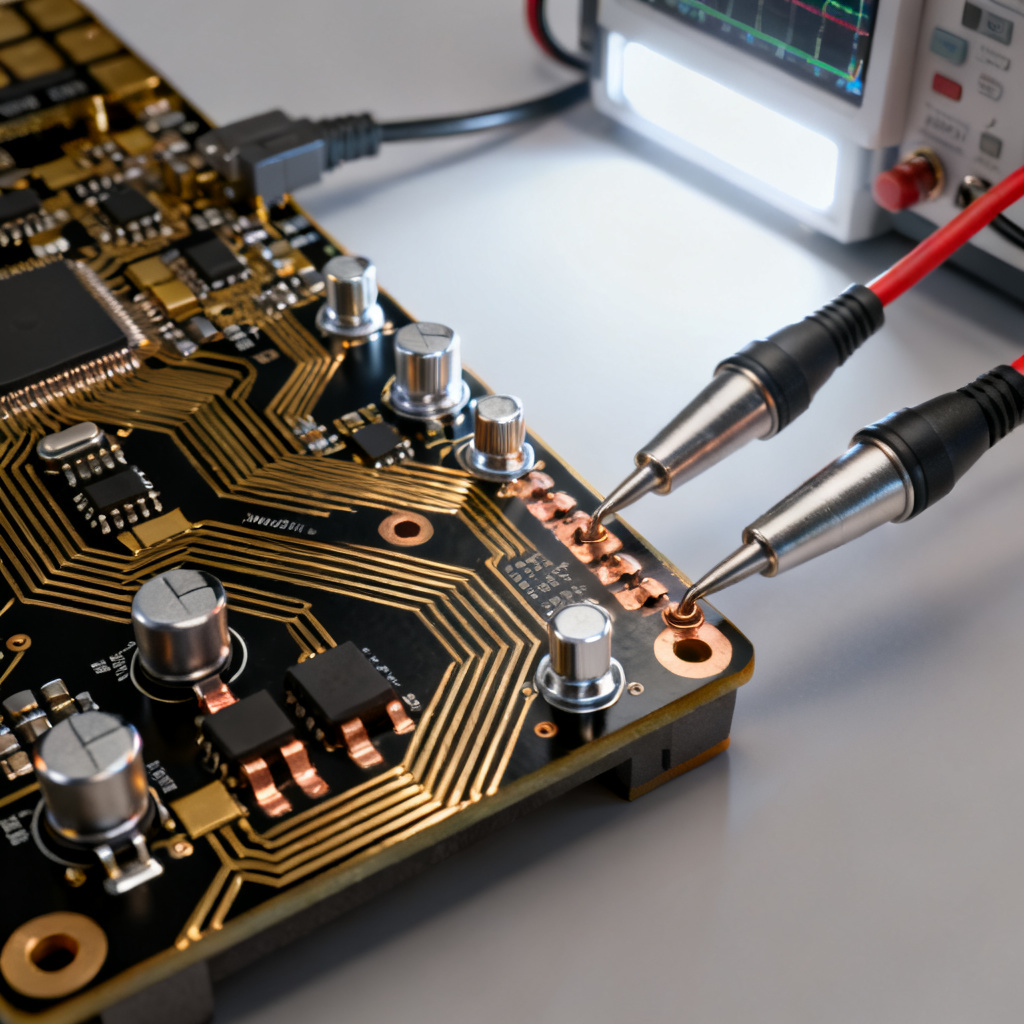
Inspection Standards – IPC‑A‑600, IPC‑6012 include IPC‑A‑600 as the visual acceptability standard for bare printed boards. It provides criteria, photographs, and illustrations defining the acceptable quality level (AQL) for PCB substrates, conductors, holes, and surface finishes before component assembly. It is the go-to document for incoming inspection and quality control departments.
- Covers rigid, flexible, and rigid-flex boards.
- Focuses on visual and mechanical characteristics only.
- Defines three classes: Class 1 (general), Class 2 (dedicated service), Class 3 (high reliability).
1.2 The Three Classes of IPC‑A‑600
| Class | Description | Typical Applications | Defect Tolerance |
|---|---|---|---|
| Class 1 | General Electronic Products | Consumer electronics, toys, simple LED boards | Minor cosmetic defects allowed |
| Class 2 | Dedicated Service Electronics | Computers, communication equipment, industrial controls | Limited defects, must maintain functionality |
| Class 3 | High Reliability / Harsh Environment | Aerospace, medical implants, military, automotive safety | Zero defects; continuous performance required |

Inspection Standards IPC A 600 IPC 6012 emphasize Class 2 as the most common standard in commercial B2B PCB procurement. For mission-critical applications, Class 3 is mandatory. IPC‑A‑600 provides specific visual limits for each class, such as allowable pit size, void area, and conductor edge roughness.
1.3 Key Inspection Criteria in IPC‑A‑600
A. Substrate (Base Material)
Measling and crazing: IPC‑A‑600 allows minor measling in Class 1 and 2, but prohibits it in Class 3 if it bridges between conductors. Blistering and delamination are not allowed in any class if exceeding 0.025 inches from the edge or causing electrical risk. Maximum allowable warp is 0.75% of diagonal length for Class 2, 0.5% for Class 3.
B. Conductors (Traces and Pads)
Nick, scratch, and pinhole limits: Class 1 allows up to 25% reduction in conductor width, Class 2 up to 20%, Class 3 up to 10% (or 0.1 mm, whichever is smaller). Edge roughness maximum is 50% of conductor thickness for Class 2, 30% for Class 3. Minimum conductor spacing must meet design specification.
C. Holes (Plated Through-Holes and Vias)
Annular ring: Class 1 minimum 0.05 mm, Class 2 minimum 0.08 mm, Class 3 minimum 0.13 mm. Plating voids: Class 3 allows no voids; Class 2 allows a single void up to 5% of hole length if it does not expose base copper. Pits and recesses maximum depth is 25% of plating thickness for Class 2, 10% for Class 3.
D. Surface Finishes (HASL, ENIG, OSP, etc.)
Solderability must meet IPC J-STD-003. ENIG specifies maximum nickel thickness variation and prohibits black pad in any class. HASL solder bumps must not exceed 0.13 mm for Class 2 and 3.
1.4 How to Use IPC‑A‑600 in Your Inspection Process
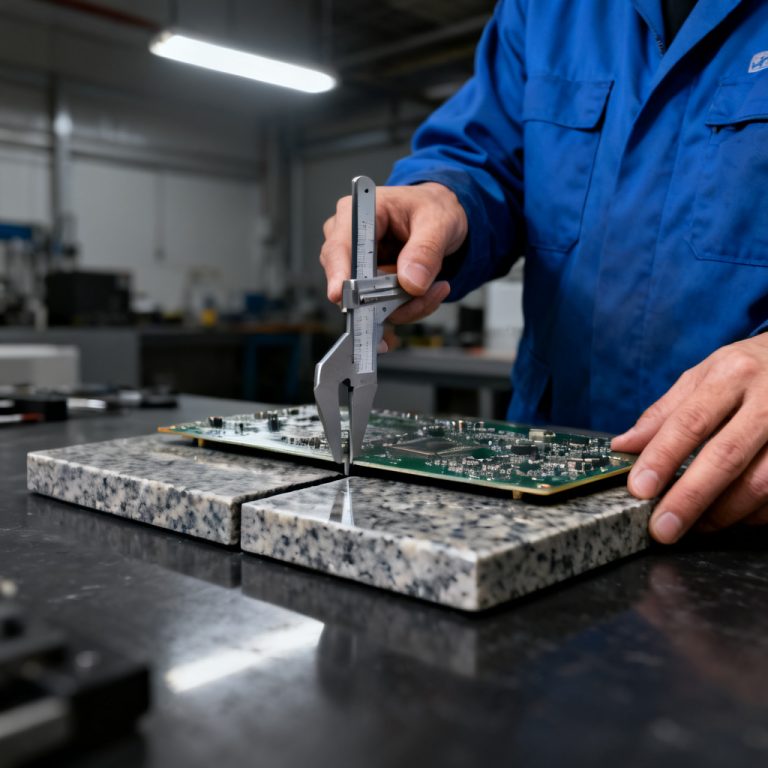
Visual inspection uses the standard’s photographs to compare boards against target, acceptable, and nonconforming conditions. Measurement tools include calipers, microscopes (10x-40x magnification), and XRF for plating thickness. Sampling plan per IPC‑A‑600 typically inspects 5-10% of the lot, with zero-defect acceptance for Class 3.
Part 2: IPC‑6012 – Qualification and Performance Specification for Rigid PCBs
2.1 What is IPC‑6012?
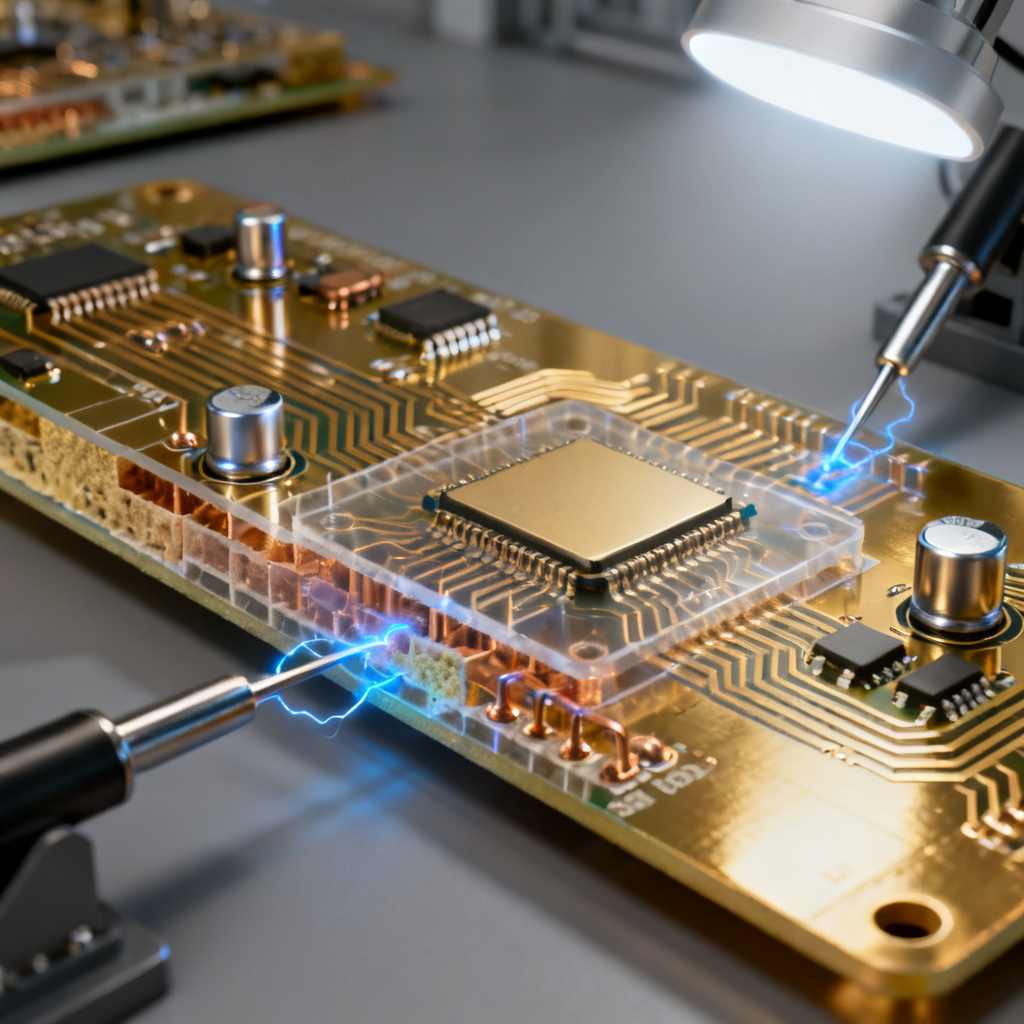
Inspection Standards – IPC‑A‑600, IPC‑6012 also include IPC‑6012, the performance and qualification specification for rigid printed boards. Unlike IPC‑A‑600, which focuses on visual acceptability, IPC‑6012 defines the electrical, mechanical, and environmental requirements that a board must pass to be considered reliable. It is used during design qualification, first article inspection, and ongoing production monitoring.
- Covers single-sided, double-sided, and multilayer rigid boards.
- Includes requirements for conductor integrity, dielectric properties, thermal stress, and solderability.
- Defines Class 1, 2, and 3 with specific test methods.
2.2 Core Requirements of IPC‑6012
A. Conductor Integrity
Copper plating thickness: Minimum average 20 µm (Class 1), 25 µm (Class 2), 30 µm (Class 3). Minimum point: 18 µm for Class 2, 25 µm for Class 3. Peel strength: Minimum 1.0 N/mm for Class 2, 1.4 N/mm for Class 3 after thermal stress. No cracks, voids, or separations in copper foil after thermal cycling.
B. Dielectric (Laminate) Properties
Dielectric withstanding voltage (DWV): Must withstand 500 VAC (Class 2) or 1000 VAC (Class 3) without breakdown. Insulation resistance: Minimum 100 MΩ (Class 2) and 500 MΩ (Class 3) at 500 VDC. Thermal stress (solder float test): No blistering, measling, or delamination after 10 seconds at 288°C (Class 3) or 260°C (Class 2).
C. Hole Wall Quality
Plating continuity: No separations or cracks in the plated barrel after thermal shock (Class 3: 100 cycles from -55°C to +125°C). Void area: Maximum 5% of hole cross-section for Class 2, 0% for Class 3. Corner cracks not allowed in any class if they extend into the barrel.
D. Surface Finish Solderability
Wetting: At least 95% of surface must be covered with solder after 5 seconds immersion (per IPC J-STD-003). Solder ball test: No solder balls larger than 0.13 mm (Class 2) or 0.08 mm (Class 3).
2.3 Qualification and Conformance Testing (IPC‑6012)
| Test | Class 1 | Class 2 | Class 3 |
|---|---|---|---|
| Microsection (Cross-section) | 1 sample per layer | 2 samples per layer | 3 samples per layer |
| Thermal Shock | Not required | 50 cycles | 100 cycles |
| Solder Float | 260°C, 10 sec | 260°C, 10 sec | 288°C, 10 sec |
| Moisture Resistance | Not required | Required | Required with bias |
| Dielectric Withstanding Voltage | 500 VAC | 500 VAC | 1000 VAC |
2.4 IPC‑6012 vs. IPC‑A‑600: The Critical Distinction

IPC‑A‑600 is a visual standard – it tells you what a board looks like when it passes. IPC‑6012 is a performance standard – it tells you what a board must survive to be reliable. A board may look perfect under IPC‑A‑600 but fail IPC‑6012 if its copper plating is too thin or if it delaminates during thermal stress. Therefore, Inspection Standards – IPC‑A‑600, IPC‑6012 are both required for a complete quality assurance program.
Part 3: How to Apply Both Standards in Your PCB Procurement
3.1 Step-by-Step Quality Checklist for Buyers
Specify the class clearly in your purchase order. Request an IPC‑A‑600 visual inspection report and an IPC‑6012 conformance test report. Perform incoming inspection using IPC‑A‑600 for visual defects and IPC‑6012 criteria for copper thickness and dielectric strength. Audit the supplier to ensure IPC member certification and internal quality procedures aligned with both standards.
3.2 Common Pitfalls to Avoid
Avoid assuming Class 3 is always better; choose the class matching your product’s reliability needs. Do not ignore IPC‑A‑600 for incoming inspection—visual defects can cause assembly failures. Always request microsection data to verify internal plating quality per IPC‑6012.
3.3 The Role of IPC‑A‑600 and IPC‑6012 in Different PCB Types
For rigid PCBs (FR4, high-Tg, etc.), both standards apply fully. For flexible PCBs, use IPC‑6013 but IPC‑A‑600 still applies for visual inspection of flex materials. For HDI boards, IPC‑6012 includes additional requirements for microvias and sequential lamination; IPC‑A‑600 provides visual references for microvia quality.
Part 4: Frequently Asked Questions
Can a board pass IPC‑A‑600 but fail IPC‑6012?
Yes. A board may look visually perfect but have inadequate copper thickness or poor thermal performance. Both Inspection Standards – IPC‑A‑600, IPC‑6012 are necessary to ensure reliability.
What is the difference between IPC‑A‑600 and IPC‑6012 for Class 3?
IPC‑A‑600 Class 3 requires zero visual defects (e.g., no measling, no annular ring reduction). IPC‑6012 Class 3 requires passing thermal shock (100 cycles), minimum 30 µm copper, and 1.4 N/mm peel strength.
Do I need to inspect every board?
No. Standard practice inspects a sample per lot (e.g., 5-10% for Class 2, 100% critical parameters for Class 3). IPC‑A‑600 provides sampling guidelines.
Are there digital tools to help with IPC standard compliance?
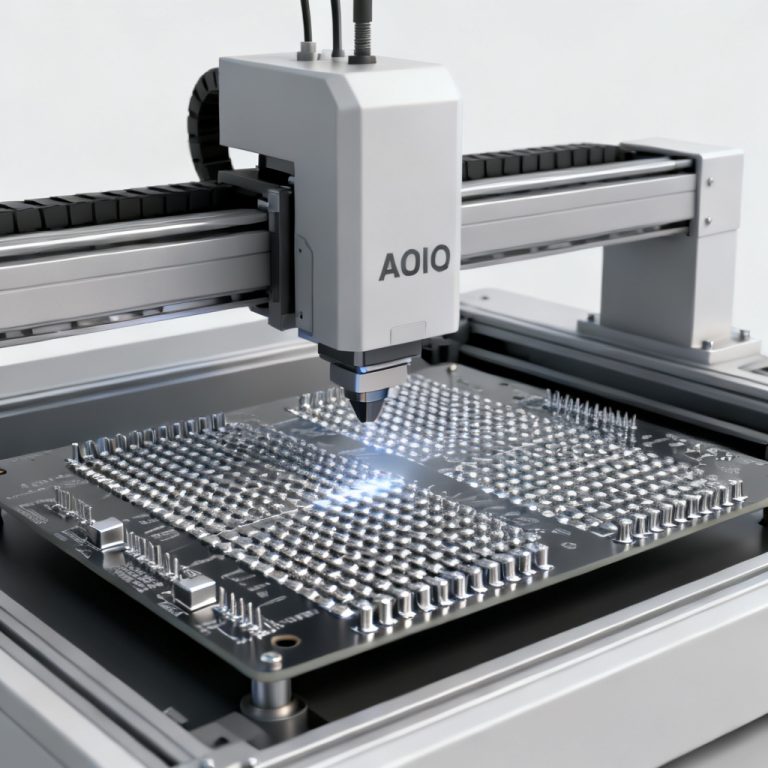
Yes. Many suppliers offer automated optical inspection (AOI) comparing board features to IPC‑A‑600 limits. For IPC‑6012, microsectioning and thermal cycling can be outsourced to IPC-approved labs.
Part 5: Conclusion – Why You Must Master These Standards

In the PCB market, knowledge of Inspection Standards IPC A 600 IPC 6012 is a competitive advantage. By understanding these standards, you can reduce returns and rework, negotiate better pricing, and build trust with your customers. Always request a first article inspection (FAI) report that includes both IPC‑A‑600 visual data and IPC‑6012 test results.