PCB Surface Finish Materials – ENIG, HASL, OSP, Immersion: A Comprehensive Guide for B2B Buyers
Introduction: Why Surface Finish Matters in PCB Manufacturing
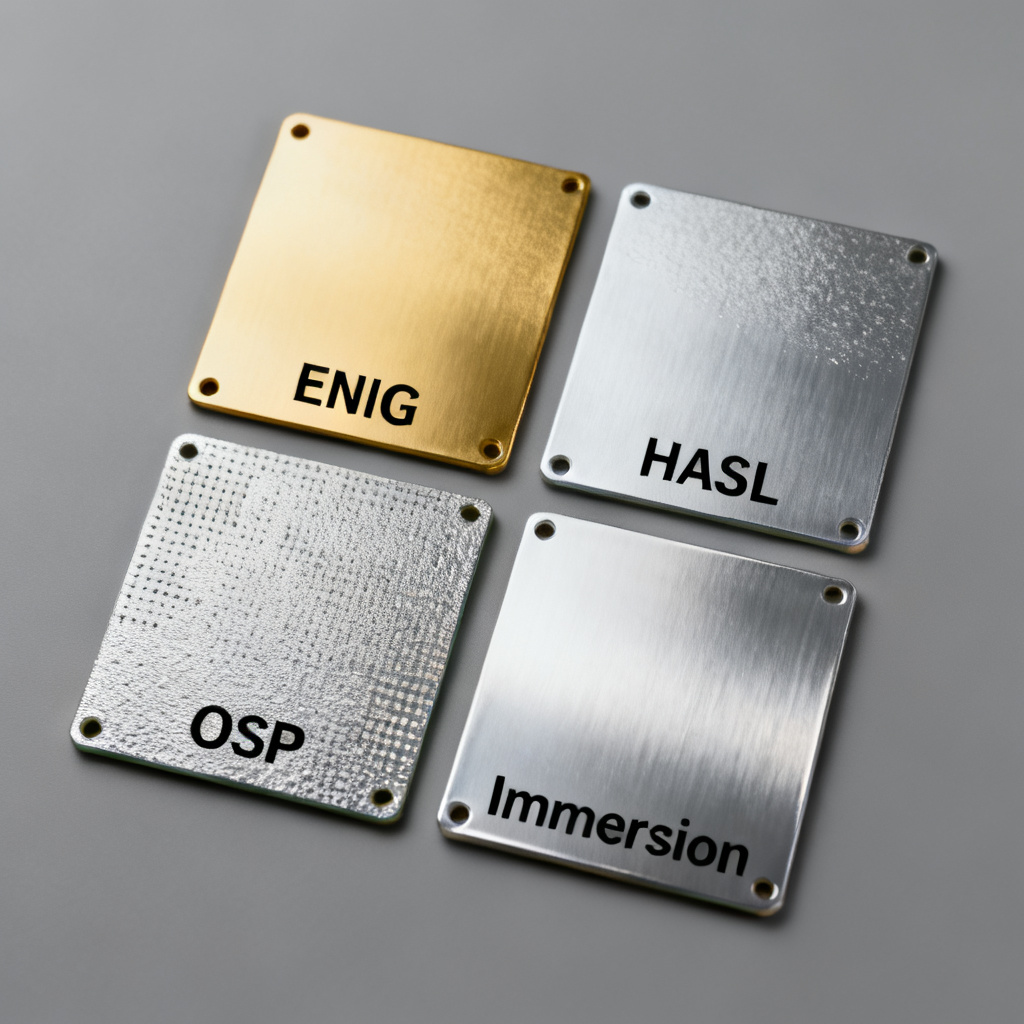
In the world of printed circuit board (PCB) production, the surface finish is a critical factor that determines solderability, reliability, and long-term performance of your electronic assemblies. Whether you are designing high-frequency RF boards, automotive electronics, or consumer devices, choosing the right surface finish can make or break your project. This pillar page “PCB Surface Finish Materials ENIG HASL OSP Immersion” serves as your ultimate resource, covering the four most common surface finish materials—ENIG (Electroless Nickel Immersion Gold), HASL (Hot Air Solder Leveling), OSP (Organic Solderability Preservative), and Immersion Tin (ImSn) and Immersion Silver (ImAg)—to help you make an informed decision for your PCB orders.
1. ENIG (Electroless Nickel Immersion Gold)
What Is ENIG?
ENIG is a two-layer metallic coating that consists of a nickel layer (typically 3–6 μm) deposited via an electroless process, followed by a thin gold layer (0.05–0.15 μm) applied through immersion. It is widely regarded as the gold standard for high-reliability PCBs due to its excellent flatness, corrosion resistance, and compatibility with fine-pitch components.
Key Advantages
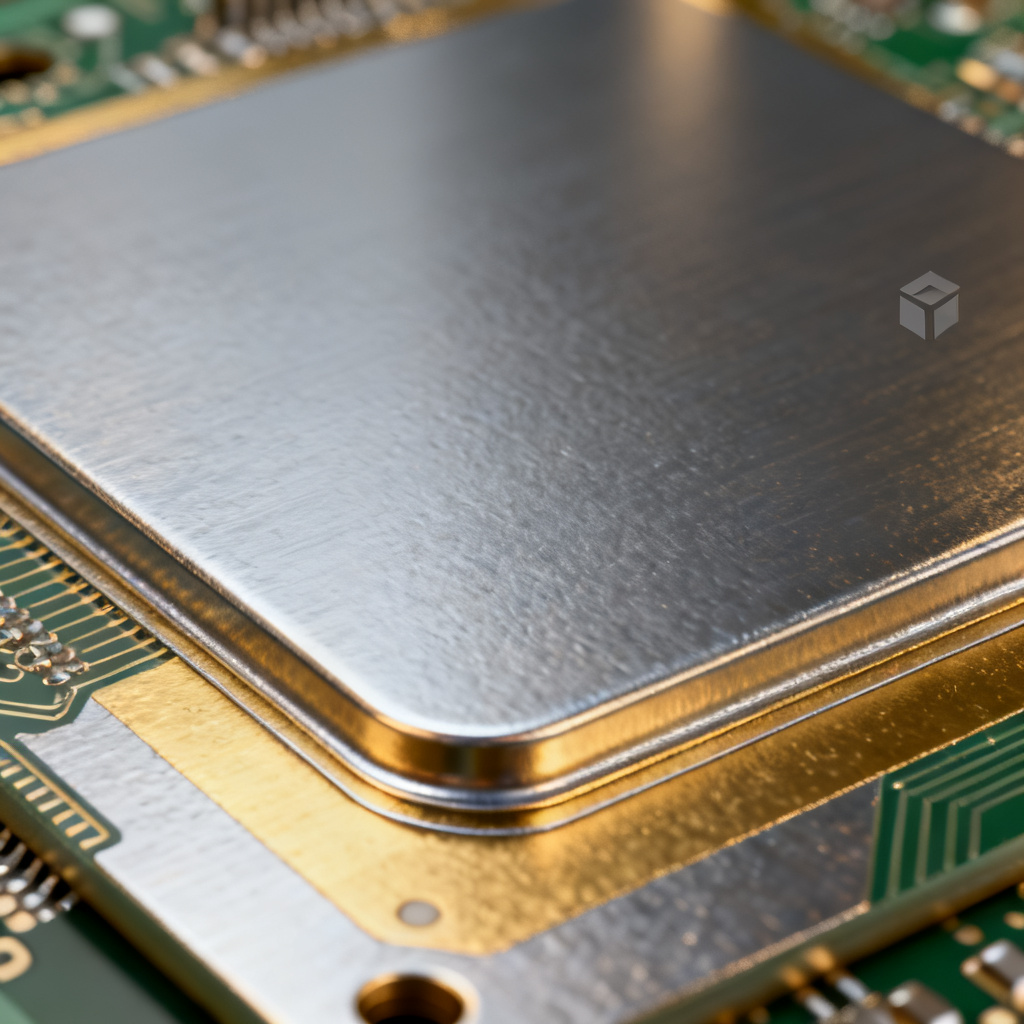
- Superior Solderability: The gold layer protects the nickel from oxidation, ensuring consistent wetting during soldering. This makes ENIG ideal for lead-free soldering processes (e.g., SAC305).
- Flat Surface: ENIG provides an exceptionally planar surface, essential for BGA (Ball Grid Array), QFN (Quad Flat No-lead), and other fine-pitch packages.
- Long Shelf Life: ENIG finishes can last 12 months or more without degradation, making them suitable for just-in-time manufacturing.
- Wire Bonding Compatibility: The nickel layer serves as a robust base for aluminum or gold wire bonding, often used in LED and sensor modules.
Limitations
- Higher Cost: ENIG is more expensive than HASL or OSP due to the use of gold and complex plating chemistry.
- Black Pad Risk: Improper process control can lead to “black pad” (nickel corrosion), which causes brittle solder joints. Reputable manufacturers mitigate this through rigorous bath monitoring.
- Not for High-Temperature Applications: The gold layer can dissolve into solder at temperatures above 250°C, potentially affecting joint integrity.
Best Use Cases
- High-density interconnect (HDI) boards
- Medical devices and aerospace electronics
- Automotive ECUs and ADAS modules
- Prototypes requiring rework or multiple soldering cycles
2. HASL (Hot Air Solder Leveling)
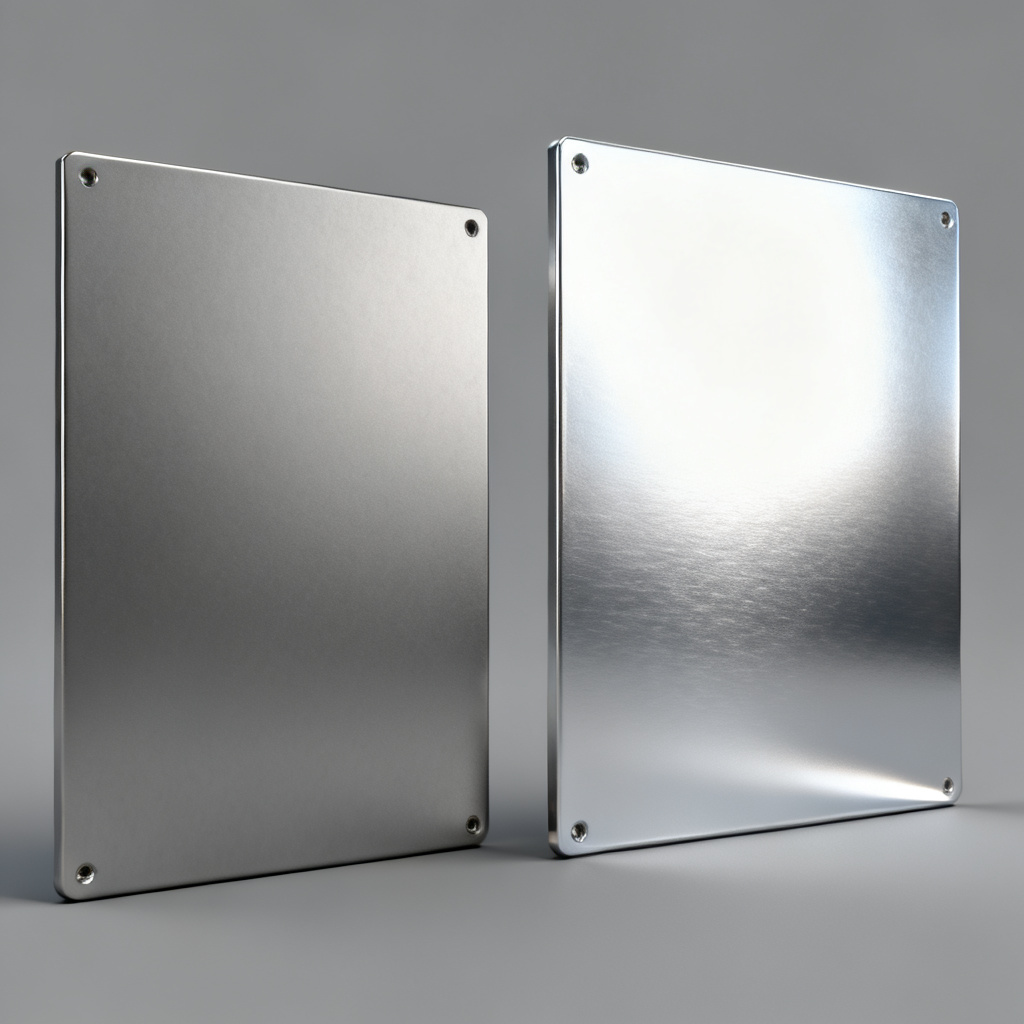
What Is HASL?
HASL is a traditional surface finish where the PCB is dipped into molten solder (typically Sn63Pb37 or lead-free SAC alloy) and then leveled with hot air knives to remove excess solder. It is the most cost-effective and widely used finish in the industry.
Types of HASL
- Lead-Based HASL: Uses eutectic tin-lead solder. Offers excellent solderability and low cost but is being phased out due to RoHS restrictions.
- Lead-Free HASL: Uses SAC (Sn-Ag-Cu) or Sn-Cu alloys. Compliant with RoHS and WEEE directives, but requires higher process temperatures (260–280°C).
Key Advantages
- Low Cost: HASL is the cheapest surface finish per square inch, ideal for high-volume, low-mix production.
- Excellent Solderability: The solder coating provides a thick, wetting-friendly surface that is forgiving of minor process variations.
- High Thermal Cycling Resistance: The thick solder layer can withstand repeated thermal shocks, making it suitable for power electronics.
Limitations
- Uneven Surface: The hot air leveling process creates a non-planar surface, which is problematic for fine-pitch components (pitch < 0.5mm).
- Thermal Stress: The high-temperature dipping can cause warpage in thin or multi-layer boards.
- Lead-Free HASL Challenges: Higher temperatures can damage sensitive laminates (e.g., FR-4 with low Tg).
Best Use Cases
- Consumer electronics (TVs, home appliances)
- Through-hole components and mixed-technology boards
- Low-cost prototypes and hobbyist projects
- Boards with large pad geometries (e.g., power supplies)
3. OSP (Organic Solderability Preservative)
What Is OSP?
OSP is a water-based organic compound (typically benzotriazole or imidazole derivatives) that forms a thin, transparent protective layer on copper pads. It is applied via a simple immersion process and is fully RoHS-compliant.
Key Advantages
- Ultra-Flat Surface: OSP does not add any metallic thickness, preserving the original copper pad geometry. This is critical for fine-pitch SMT and micro-BGA.
- Low Cost: OSP is cheaper than ENIG and comparable to HASL, especially for high-volume runs.
- Environmentally Friendly: No heavy metals or volatile organic compounds (VOCs) are used.
- Compatibility with Lead-Free Soldering: OSP can withstand multiple reflow cycles if stored properly.
Limitations
- Short Shelf Life: OSP finishes typically last 3–6 months under controlled conditions (temperature < 25°C, humidity < 60%). Exposure to high humidity accelerates degradation.
- Single Soldering Cycle: OSP is a single-use finish; it cannot survive multiple reflow or wave soldering passes without reapplication.
- Fragility: The organic layer can be easily scratched or contaminated by handling, requiring careful assembly practices.
Best Use Cases
- High-volume SMT assembly (smartphones, tablets)
- Boards with ultra-fine pitch components (0.4mm or less)
- RoHS-compliant products requiring a flat surface
- Applications where cost is a primary driver
4. Immersion Tin (ImSn) and Immersion Silver (ImAg)
What Are Immersion Finishes?
Immersion finishes are thin metallic coatings (0.5–1.5 μm) applied via chemical displacement reactions. Immersion Tin (ImSn) and Immersion Silver (ImAg) are the two most common variants, offering a balance between cost and performance.
Immersion Tin (ImSn)
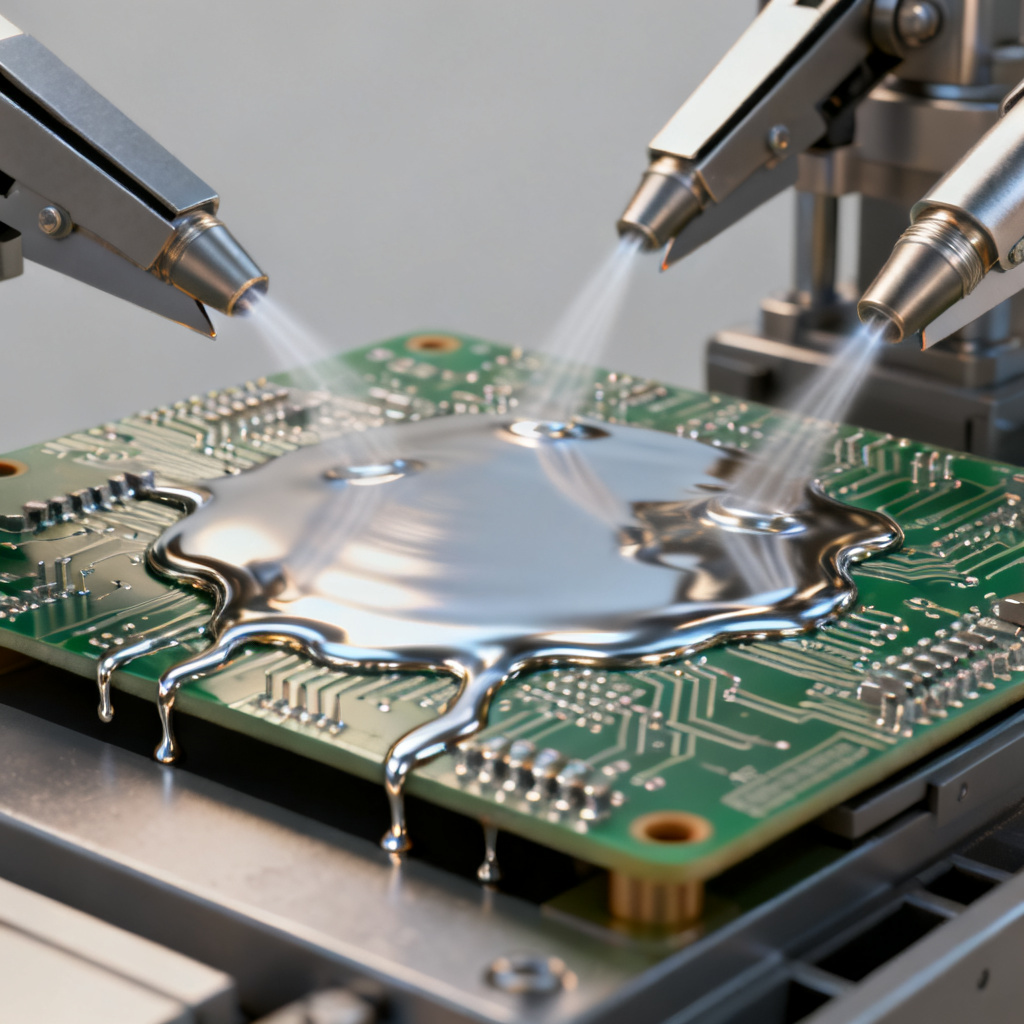
- Process: Tin is deposited directly onto copper via a displacement reaction, forming a thin Sn-Cu intermetallic layer.
- Advantages: Excellent solderability, flat surface, and compatibility with lead-free soldering. It also provides a natural barrier against copper oxidation.
- Limitations: Tin whisker growth can occur over time, especially in high-humidity environments. This is a reliability risk for long-life products (e.g., automotive or industrial).
- Best Use Cases: High-density boards with fine-pitch components, RF/microwave circuits, and cost-sensitive projects.
Immersion Silver (ImAg)
- Process: Silver is deposited onto copper, forming a thin (0.1–0.5 μm) layer that resists oxidation.
- Advantages: Superior flatness and excellent high-frequency performance due to low surface resistance. It also has a longer shelf life than OSP (up to 12 months).
- Limitations: Silver is susceptible to tarnishing in sulfur-rich environments (e.g., industrial settings). It also requires careful handling to avoid galvanic corrosion.
- Best Use Cases: High-speed digital and RF applications, LED lighting, and consumer electronics.
Comparison Table: ENIG vs. HASL vs. OSP vs. Immersion
| Feature | ENIG | HASL (Lead-Free) | OSP | Immersion Tin | Immersion Silver |
|---|---|---|---|---|---|
| Cost | High | Low | Low | Medium | Medium |
| Surface Flatness | Excellent | Poor | Excellent | Good | Excellent |
| Shelf Life | 12+ months | 6–12 months | 3–6 months | 6–12 months | 6–12 months |
| Solderability | Excellent | Excellent | Good | Good | Good |
| Fine-Pitch Support | Yes | No (pitch > 0.5mm) | Yes | Yes | Yes |
| RoHS Compliance | Yes | Yes (lead-free) | Yes | Yes | Yes |
| Thermal Cycling | Good | Excellent | Fair | Good | Good |
| Wire Bonding | Yes | No | No | No | No |
How to Choose the Right Surface Finish for Your PCB
Step 1: Assess Your Component Pitch
- Pitch ≤ 0.4mm: ENIG, OSP, or Immersion finishes are required for flat surfaces.
- Pitch ≥ 0.5mm: HASL (lead-free) is a viable, cost-effective option.
Step 2: Consider Environmental and Regulatory Requirements
- RoHS/WEEE Compliance: Use lead-free HASL, ENIG, OSP, or Immersion finishes.
- High-Reliability Applications: ENIG or Immersion Silver are preferred for medical, aerospace, and automotive.
Step 3: Evaluate Production Volume and Budget
- High Volume, Low Cost: HASL or OSP.
- Medium Volume, Balanced Performance: Immersion Tin or Silver.
- Low Volume, High Reliability: ENIG.
Step 4: Check Assembly Process Compatibility
- Multiple Reflow Cycles: ENIG or HASL (lead-free) can handle 2–3 reflows.
- Single Reflow: OSP is sufficient.
- Wave Soldering: HASL is ideal for through-hole components.
Step 5: Factor in Storage and Handling
- Long Shelf Life Needed: ENIG, Immersion Silver, or HASL.
- Short Lead Times: OSP (requires quick assembly after production).
Common Myths and Misconceptions
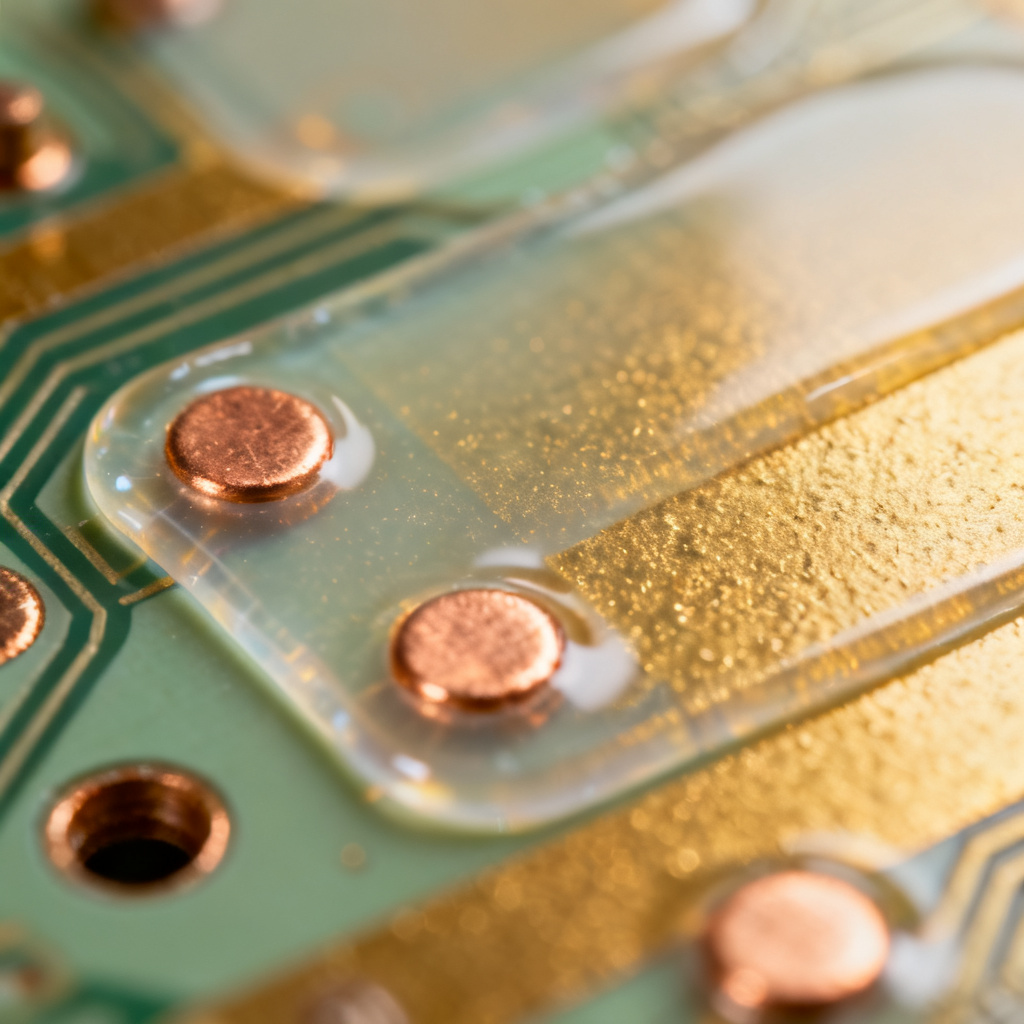
- Myth 1: ENIG is always better than HASL. Truth: ENIG is superior for fine-pitch and wire bonding, but HASL offers better thermal cycling resistance for thick boards.
- Myth 2: OSP is not reliable for automotive applications. Truth: OSP can be used in automotive if strict humidity controls are maintained and assembly is performed within 3 months.
- Myth 3: Immersion Tin always causes whiskers. Truth: Modern immersion tin processes with stress-relief annealing can reduce whisker risk to acceptable levels for most applications.
Frequently Asked Questions (FAQ)
Q1: Can I mix surface finishes on the same PCB?
Yes, it is possible (e.g., ENIG for BGA pads and HASL for through-hole connectors), but this increases cost and complexity. Most manufacturers recommend a single finish for consistency.
Q2: How does surface finish affect signal integrity?
For high-frequency designs (above 1 GHz), ENIG and Immersion Silver offer lower insertion loss than HASL due to smoother surfaces. OSP is also acceptable for RF applications.
Q3: What is the best finish for LED PCBs?
Immersion Silver or ENIG are preferred for LED boards due to their flat surfaces and high reflectivity.
Q4: How do I test surface finish quality?
Common tests include solderability testing (dip and look), cross-section analysis for thickness, and ionic contamination testing for cleanliness.
Conclusion: Partner with a Trusted PCB Manufacturer
Choosing the right surface finish is a strategic decision that impacts cost, reliability, and manufacturability. At [Your Company Name], we specialize in providing all four finishes—ENIG, HASL, OSP, and Immersion—with full process control and ISO-certified quality. Our team of engineers can help you select the optimal finish for your next project, whether it’s a high-volume consumer product or a mission-critical aerospace design.
Contact us today for a free consultation and quote. Let’s build your success, one PCB at a time.