PCB Product Types Guide: Rigid, Flex, HDI, Metal Core, IC Substrate
Quick Navigation Index: Use this PCB Product Types Guide Rigid Flex HDI Metal Core IC Substrate directory to jump directly to each technical section.
This PCB Product Types Guide provides a definitive overview of the five major categories: Rigid, Flexible, High-Density Interconnect (HDI), Metal Core, and IC Substrate. Understanding these PCB product types is essential for selecting the right board for your electronic design.
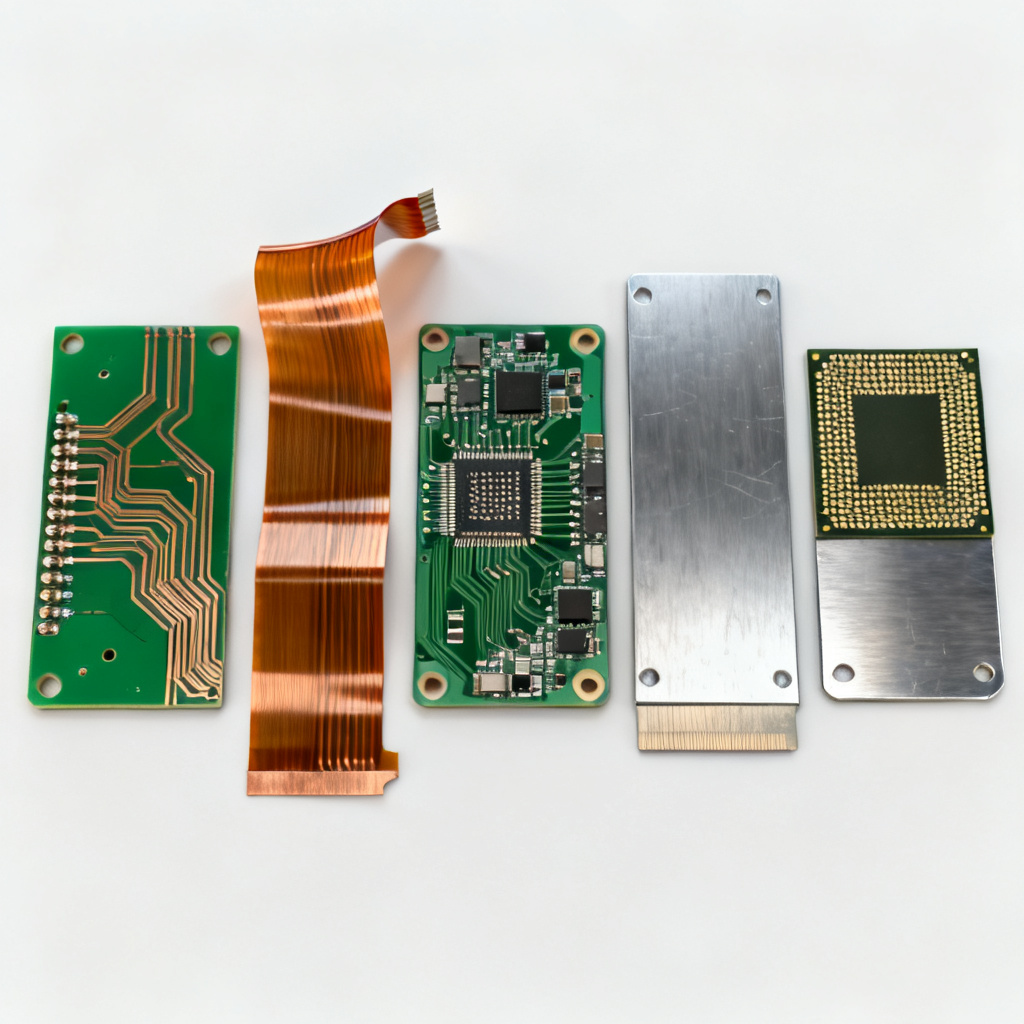
Rigid PCB |
Flexible PCB |
HDI PCB |
Metal Core PCB |
IC Substrate
1. Rigid PCB: The Industry Standard for PCB Product Types
A Rigid PCB is a solid, inflexible circuit board built on a substrate like FR-4. This classic PCB product type provides a stable platform for mounting components and ensures consistent electrical performance. It is the most common PCB product type in the industry, used across consumer electronics, industrial equipment, and automotive systems.
1.1 Key Construction of Rigid PCB Product Types
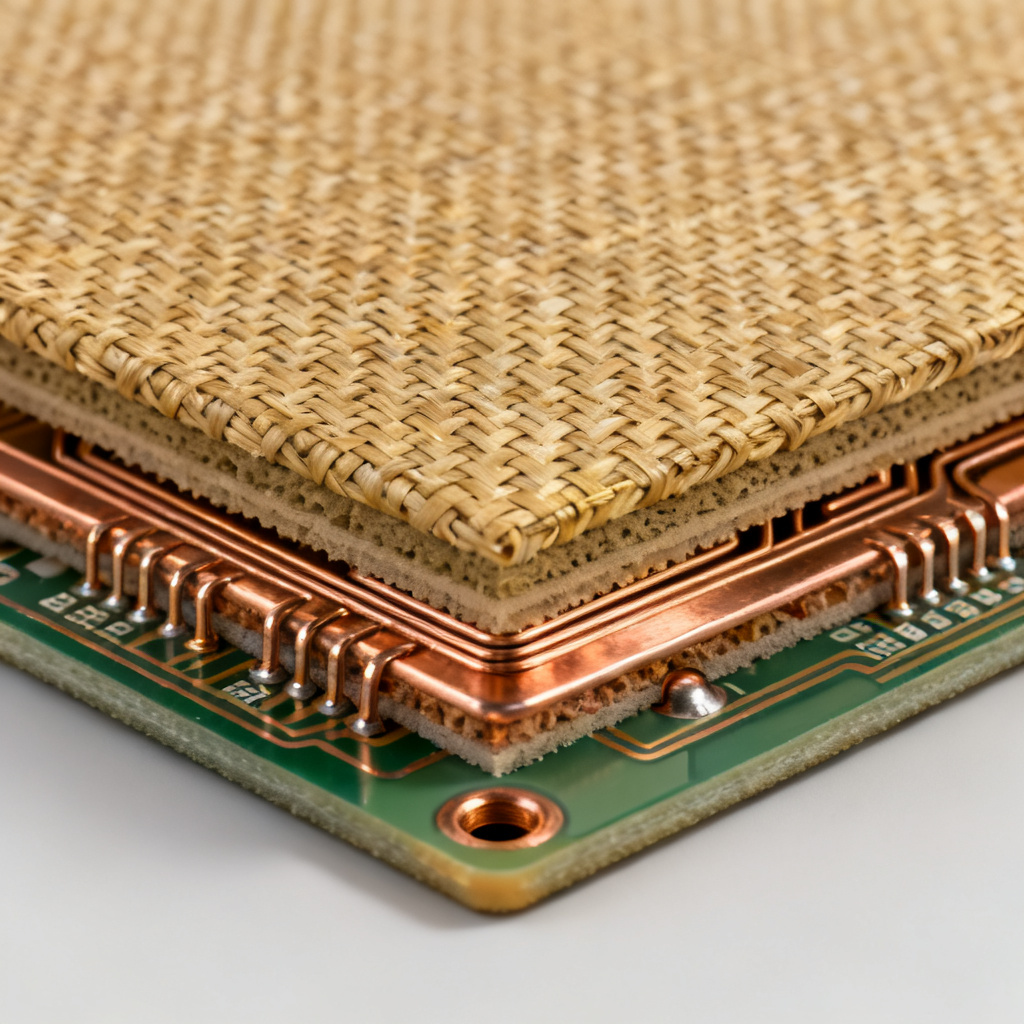
The base material for this PCB product type is usually FR-4, a fiberglass-reinforced epoxy resin. For high-frequency applications, materials like Rogers or polyimide are used. Rigid PCBs can range from single-sided to multi-layer boards with up to 40+ layers. Standard thickness is 1.6mm, but can vary. Surface finishes include HASL, ENIG, and OSP.
1.2 Advantages of Rigid PCB Product Types
Rigid PCBs offer high mechanical strength, cost-effectiveness for high volumes, excellent thermal management, and proven reliability. They are easy to source from virtually any manufacturer globally.
1.3 Common Applications for Rigid PCB Product Types
This PCB product type is found in desktop computers, laptops, TVs, motor drives, power supplies, automotive ECUs, and medical diagnostic equipment.
1.4 Design Considerations for Rigid PCB Product Types
Board shape must be flat and rigid. Heavy components need proper placement. Thermal expansion is critical, and impedance control is essential for high-speed signals.
2. Flexible PCB: Enabling Compact Design in PCB Product Types
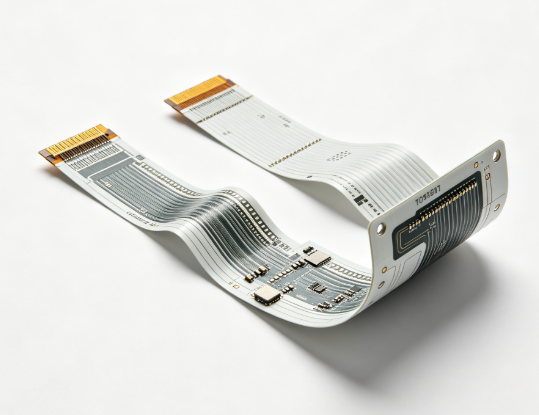
A Flexible PCB (flex circuit) uses a flexible base material like polyimide, allowing the circuit to bend, fold, or twist. This PCB product type eliminates wires and connectors, enabling 3D packaging and reducing weight by up to 60%.
2.1 Key Construction of Flexible PCB Product Types
Polyimide is the most common substrate for this PCB product type. Rolled annealed copper is preferred for its ductility. A coverlay protects traces. Stiffeners are added in component areas. Types include single-sided, double-sided, multi-layer, and rigid-flex.
2.2 Advantages of Flexible PCB Product Types
Flexible PCBs save space and weight, withstand millions of bending cycles, improve reliability by reducing solder joints, and enhance thermal dissipation. They are ideal for dynamic flexing applications.
2.3 Common Applications for Flexible PCB Product Types
This PCB product type is used in smartphones, wearables, automotive airbag systems, medical devices like pacemakers, and industrial robotics.
2.4 Design Considerations for Flexible PCB Product Types
Minimum bend radius is critical. Traces should be perpendicular to the bend axis. Adhesiveless laminates offer better performance but higher cost. Coverlay is standard; solder mask is less flexible.
3. HDI PCB: The Miniaturization Leader in PCB Product Types
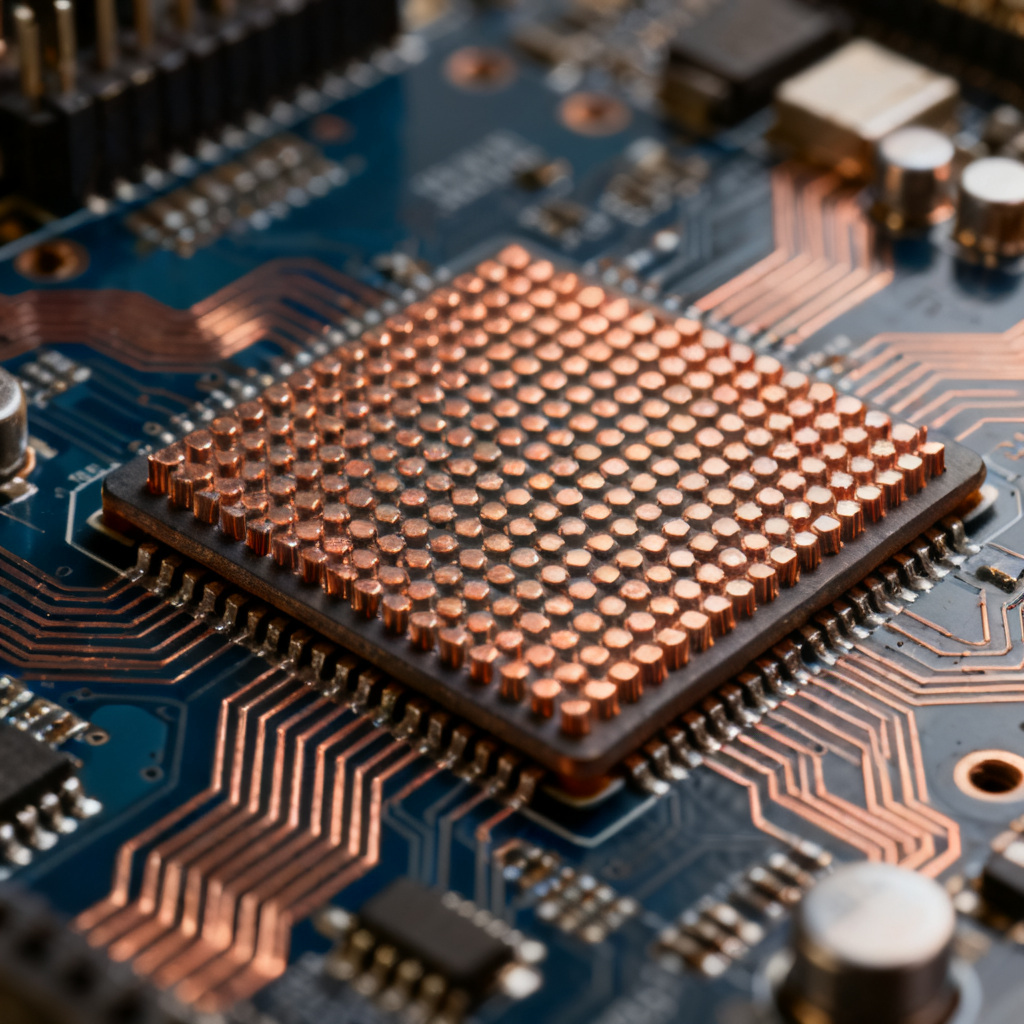
High-Density Interconnect (HDI) PCBs achieve higher wiring density through finer lines and microvias. This PCB product type enables miniaturization by allowing more functionality in a smaller footprint.
3.1 Key Construction of HDI PCB Product Types
Microvias are the defining feature of this PCB product type. They are laser-drilled and plated, connecting adjacent layers. Build-up layers are laminated sequentially. Via types include blind, buried, stacked, and staggered microvias. Line width/space is typically ≤ 75µm.
3.2 Advantages of HDI PCB Product Types
HDI PCBs reduce board size by 30-50%, improve electrical performance with shorter signal paths, enhance reliability, and support fine-pitch BGAs. Via-in-pad design saves space.
3.3 Common Applications for HDI PCB Product Types
This PCB product type is used in smartphones, tablets, wearables, high-end computing, medical imaging, and advanced driver-assistance systems (ADAS).
3.4 HDI Board Classifications
IPC-2226 defines Type I (one build-up layer on one side), Type II (one on both sides), Type III (two or more on both sides), and Type IV (any-layer HDI).
4. Metal Core PCB: Thermal Management Specialist in PCB Product Types
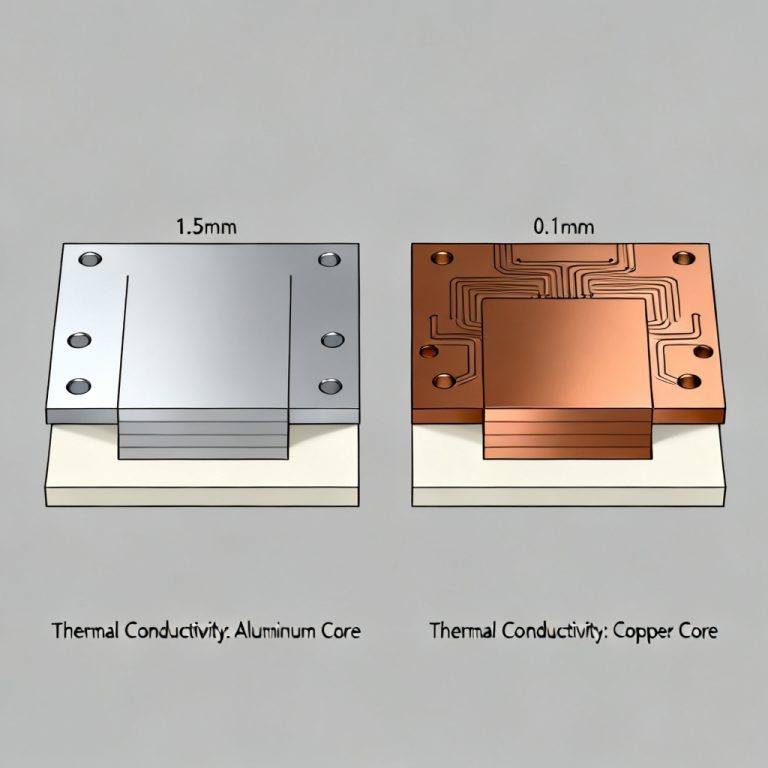
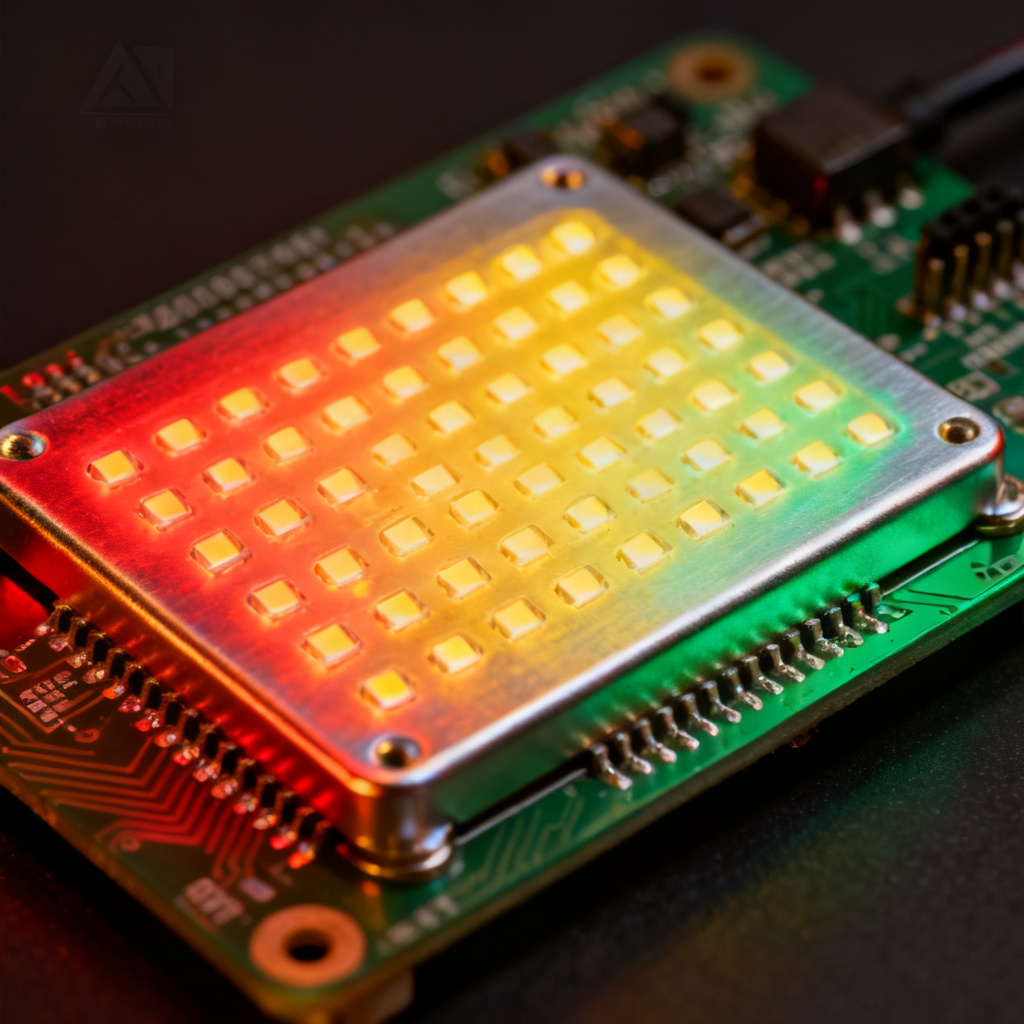
A Metal Core PCB (MCPCB) uses a metal base like aluminum or copper to efficiently dissipate heat. This PCB product type is essential for high-power applications such as LED lighting and power electronics.
4.1 Key Construction of Metal Core PCB Product Types
The metal core is typically aluminum for cost and weight benefits. A thin dielectric layer provides electrical insulation while conducting heat. Copper circuit layers can be heavy (up to 10 oz). Types include standard aluminum, high-thermal, copper core, and flexible MCPCB.
4.2 Advantages of Metal Core PCB Product Types
MCPCBs offer superior heat dissipation, improved reliability, higher power handling, and mechanical strength. They reduce hot spots and extend component life.
4.3 Common Applications for Metal Core PCB Product Types
This PCB product type is dominant in LED lighting, power supplies, DC-DC converters, automotive lighting, and industrial high-power lasers.
4.4 Design Considerations for Metal Core PCB Product Types
Dielectric layer selection is critical. Thermal interface material (TIM) is often used. Heat-generating components should be placed directly over the metal core. Vias require specialized design.
5. IC Substrate: Semiconductor Packaging Foundation in PCB Product Types
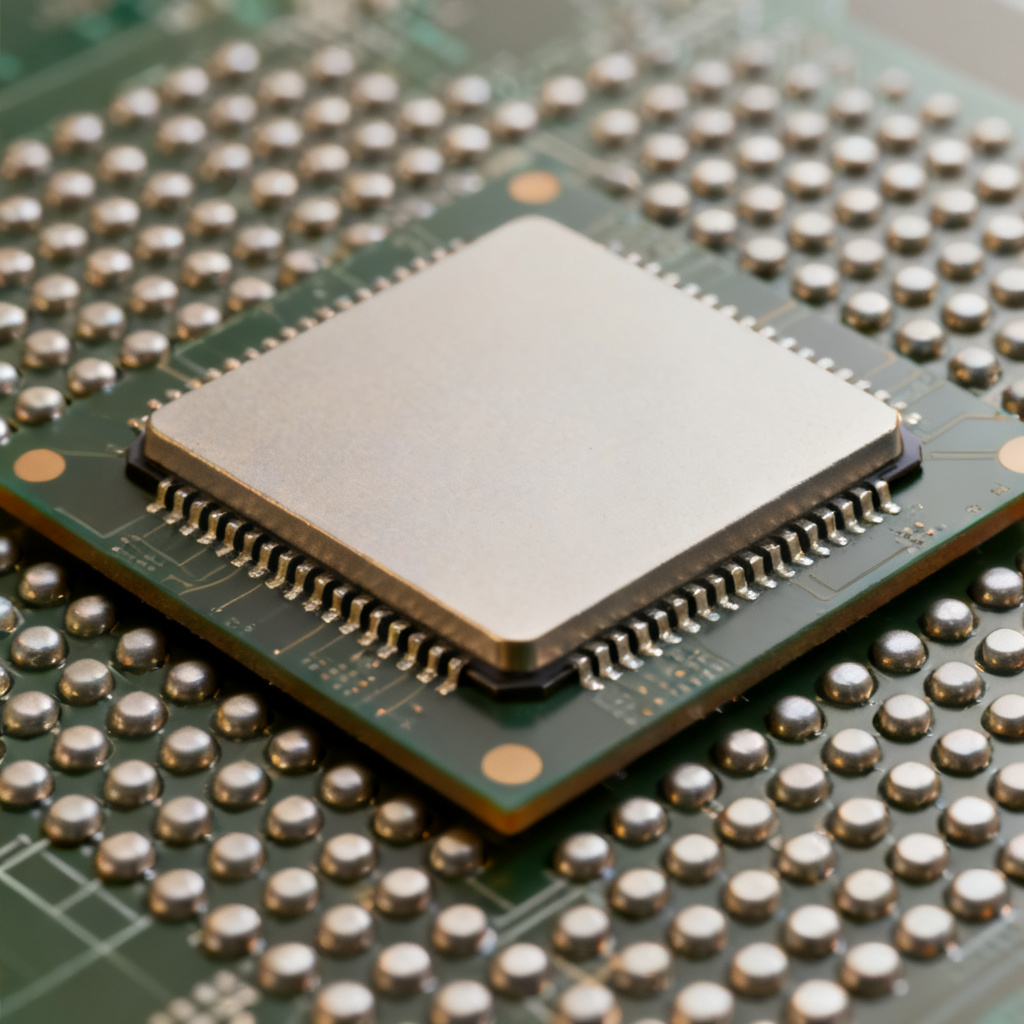
An IC Substrate is a specialized PCB that interfaces between a semiconductor die and the motherboard. This PCB product type is the core of advanced packaging like BGA, CSP, and flip-chip.
5.1 Key Construction of IC Substrate Product Types
Materials include BT resin, ABF, and PPE. Build-up layers with microvias are used. Line/space can be as fine as 2µm. Surface finish is typically ENIG or ENEPIG. Types include BGA, CSP, flip-chip, and SiP substrates.
5.2 Advantages of IC Substrate Product Types
IC substrates enable extreme miniaturization, high electrical performance with low signal loss, and multi-die integration. They are designed for rigorous thermal cycling.
5.3 Common Applications for IC Substrate Product Types
This PCB product type is used in processors, GPUs, memory modules, mobile application processors, networking equipment, and automotive ADAS chips.
5.4 IC Substrate vs. Standard PCB
| Feature | IC Substrate | Standard PCB |
|---|---|---|
| Line/Space | ≤ 15µm | ≥ 75µm |
| Via Diameter | 30-75µm | 150-300µm |
| Material | BT, ABF, PPE | FR-4, Rogers |
| Layer Count | 2-6 build-up layers | Up to 40+ layers |
| Cost per Area | Very high | Low to moderate |
6. Comparative Analysis of PCB Product Types
| Feature | Rigid PCB | Flexible PCB | HDI PCB | Metal Core PCB | IC Substrate |
|---|---|---|---|---|---|
| Primary Advantage | Low cost, strength | Flexibility, space saving | Miniaturization | Thermal management | Extreme miniaturization |
| Typical Applications | General electronics | Wearables, medical | Smartphones, computing | LED lighting, power | Processors, memory |
| Layer Count Range | 1-40+ | 1-8+ | 2-10+ (build-up) | 1-4 (typically) | 2-6+ (build-up) |
| Minimum Line/Space | 75-100µm | 75-100µm | 50-75µm | 100-150µm | 2-15µm |
| Thermal Conductivity | Low (0.3 W/mK) | Low (0.2 W/mK) | Low to moderate | High (1-400 W/mK) | Low to moderate |
| Relative Cost | Low | Medium | High | Medium | Very High |
7. Future Trends in PCB Product Types
Key trends include embedded components, any-layer HDI, ultra-thin flex, advanced materials, 3D printing, integrated photonics, and sustainability. These innovations will continue to shape PCB product types for next-generation electronics.
8. Decision Flowchart for Selecting PCB Product Types Guide: Rigid, Flex, HDI, Metal Core, IC Substrate
1. Does the board need to bend? → Yes → Flexible PCB.
2. Is heat dissipation primary? → Yes → Metal Core PCB.
3. Is it chip packaging? → Yes → IC Substrate.
4. Need extreme miniaturization? → Yes → HDI PCB.
5. Otherwise → Rigid PCB.
Summary: Bookmark this PCB Product Types Guide Rigid Flex HDI Metal Core IC Substrate checklist for your upcoming engineering hardware procurement reference.
FAQ: PCB Product Types
What are the main PCB product types?
The main PCB product types are Rigid, Flexible, HDI, Metal Core, and IC Substrate. Each serves a specific purpose in electronic design.
How do I choose the right PCB product type for my project?
Consider your requirements for flexibility, heat dissipation, miniaturization, and cost. Our guide above provides a detailed comparison of PCB product types.
What is the difference between HDI and standard rigid PCB product types?
HDI PCB product types use microvias and finer lines for higher density, enabling smaller boards and better electrical performance compared to standard rigid PCBs.
Why choose a Metal Core PCB product type?
Metal Core PCB product types offer superior thermal management, making them ideal for high-power applications like LED lighting and power electronics.