Flexible PCB Materials Polyimide PET Coverlay
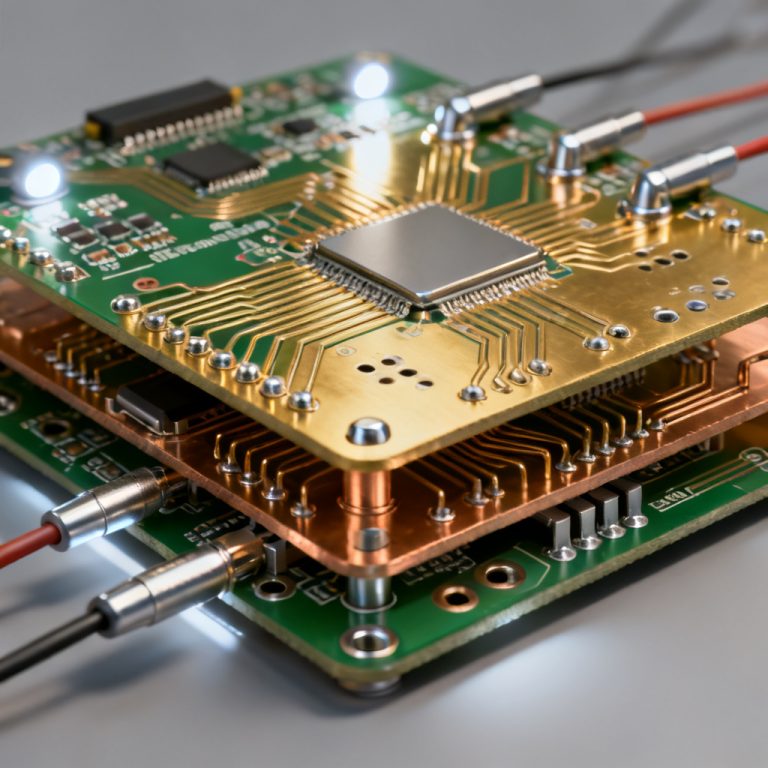
Flexible PCB Materials Polyimide PET Coverlay define the performance and reliability of modern flex circuits. In this comprehensive guide, we explore every aspect of these critical substrates and protective layers, helping engineers and buyers make informed decisions for dynamic, high-temperature, or cost-sensitive applications.
Understanding Flexible PCB Materials: Polyimide, PET, and Coverlay
Polyimide (PI): The Gold Standard for High-Performance Flex
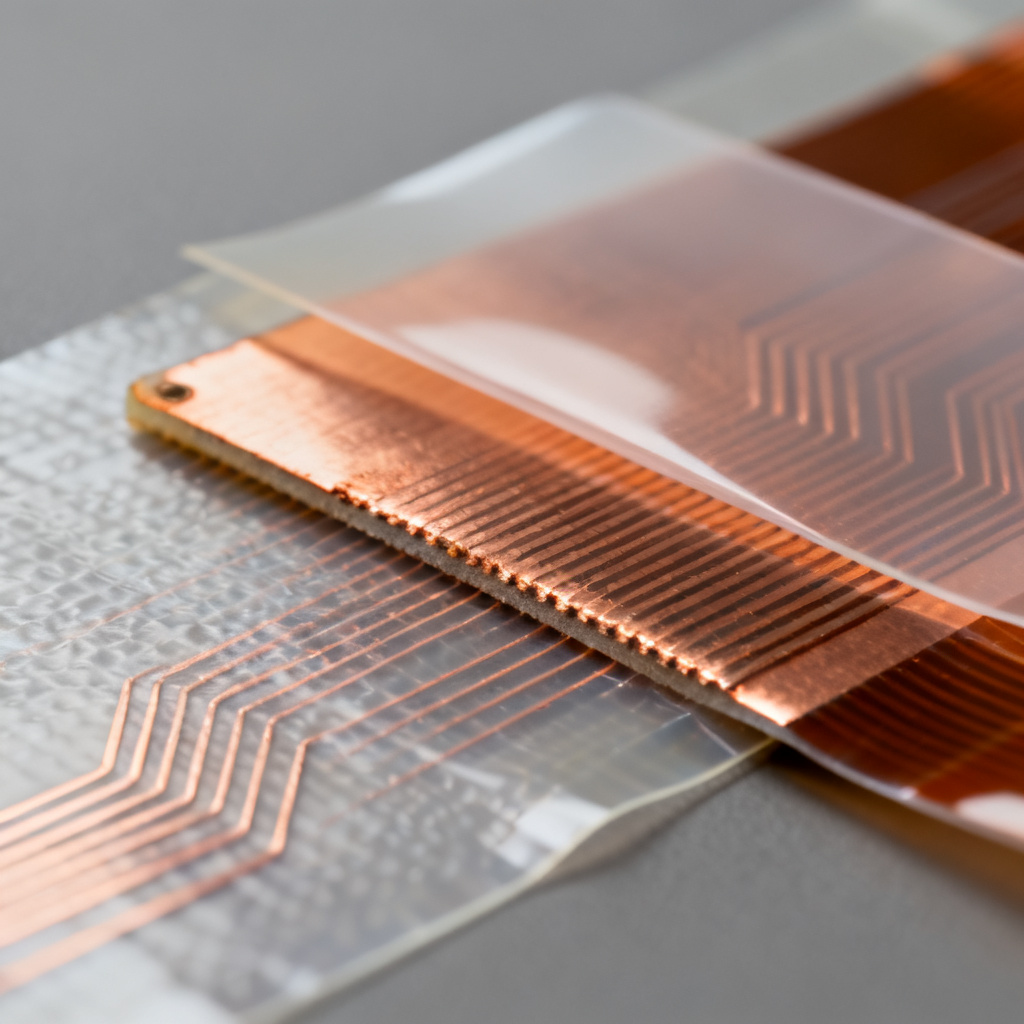
Polyimide is the most widely used and trusted substrate material for high-reliability flexible circuits. This synthetic polymer offers exceptional thermal and mechanical stability.
Why Polyimide Dominates
- Exceptional Thermal Resistance: Polyimide can withstand continuous operating temperatures from -269°C to +400°C (though typical flex applications range from -200°C to +300°C). This makes it indispensable for automotive, aerospace, and high-power LED applications.
- Superior Chemical Resistance: It resists most solvents, oils, and acids, ensuring long-term integrity in harsh industrial environments.
- Mechanical Durability: Polyimide offers high tensile strength (typically 200-300 MPa) and excellent dimensional stability. It maintains its flexibility even after thousands of bending cycles.
- Flame Retardancy: It is inherently flame retardant (UL 94 V-0) without requiring added halogenated flame retardants.
Common Polyimide Grades
- Standard (e.g., DuPont™ Kapton® HN): General-purpose, used in most consumer and industrial flex circuits.
- Low-Flow (e.g., Kapton® LF): Designed for high-density interconnects (HDI) where minimal resin flow during lamination is critical.
- Adhesiveless Polyimide: Copper is directly deposited or sputtered onto the polyimide, eliminating the adhesive layer. This results in thinner circuits, better thermal conductivity, and higher temperature tolerance (up to 400°C). It is the preferred choice for dynamic flex applications.
Key Limitations
- Hygroscopicity: Polyimide absorbs moisture (0.2-0.5% by weight). This can affect electrical properties (e.g., dielectric constant) and cause delamination during soldering if not properly baked prior to assembly.
- Cost: Polyimide is significantly more expensive than PET, making it overkill for low-cost, static applications.
- Yellow/Amber Color: Its natural color can be a cosmetic disadvantage for some consumer products.
Best Applications for Polyimide
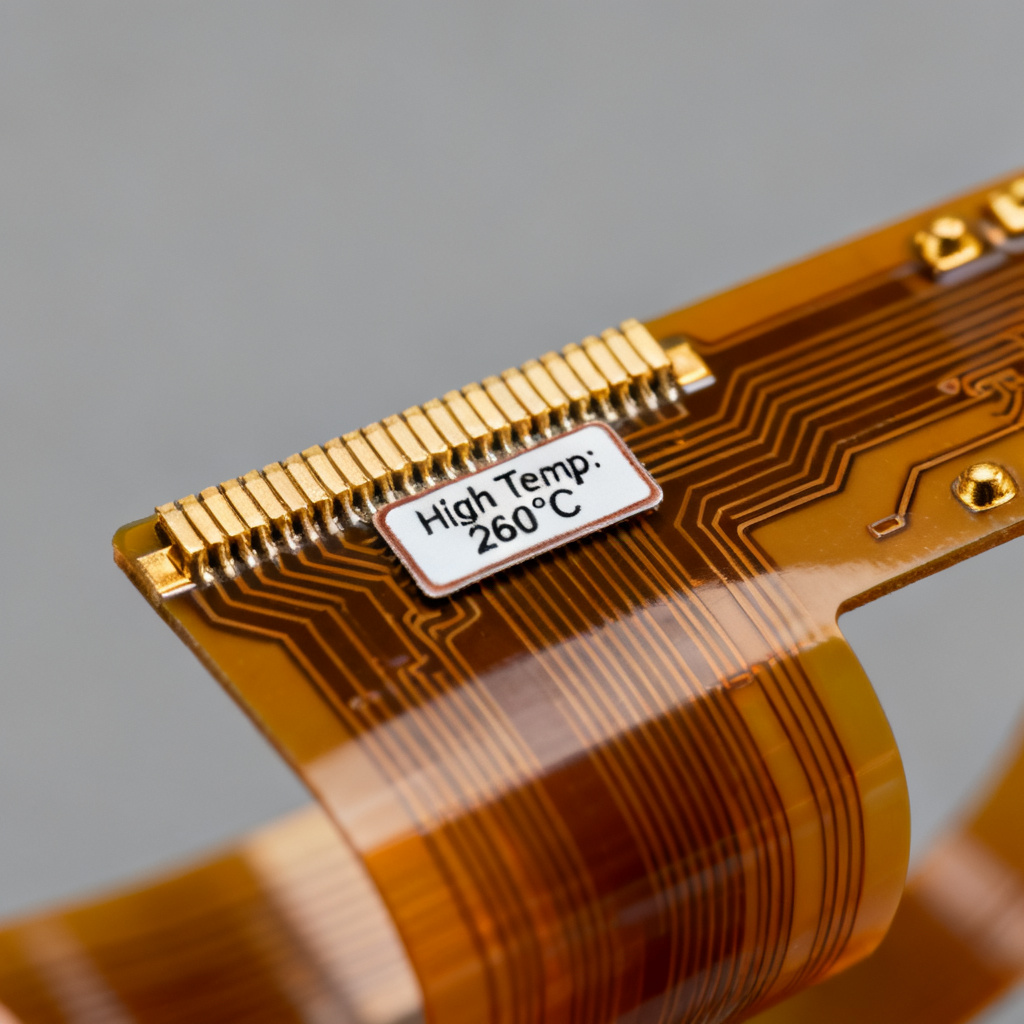
- Dynamic flexing (e.g., printer heads, hard drives, robotic arms)
- High-temperature environments (e.g., automotive engine compartments, down-hole drilling)
- High-reliability medical devices (e.g., pacemakers, implantables)
- Aerospace and defense electronics
Polyethylene Terephthalate (PET): The Cost-Effective Alternative
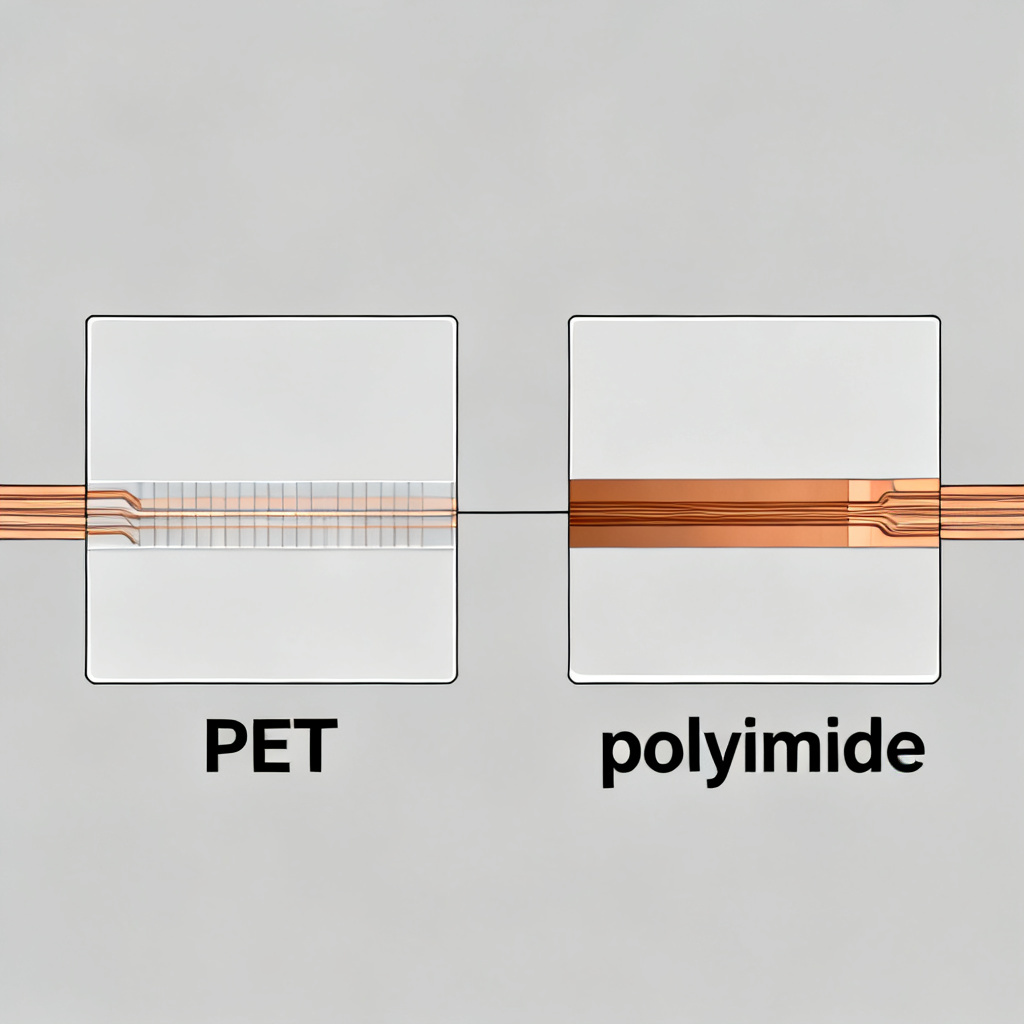
PET (often sold as Mylar®) is a polyester film that offers a compelling balance of performance and cost for less demanding applications.
Why Choose PET?
- Low Cost: PET is approximately 50-70% cheaper than polyimide, making it ideal for high-volume, disposable, or consumer-grade products.
- Good Electrical Insulation: It offers a high dielectric strength (typically > 200 V/µm) and a stable dielectric constant (around 3.0-3.5).
- Excellent Flexibility: PET is very flexible and can be creased or folded repeatedly, though it is less robust than polyimide under tension.
- Optical Clarity: PET can be made transparent, which is useful for applications like touch sensors or display interconnects.
Critical Limitations
- Low Temperature Tolerance: PET has a maximum continuous operating temperature of only about 105°C to 140°C (depending on grade). It will soften and degrade at soldering temperatures (260°C+).
- Poor Chemical Resistance: PET degrades in strong acids, bases, and some solvents (e.g., acetone). It is not suitable for harsh chemical exposure.
- Lower Mechanical Strength: Its tensile strength (150-200 MPa) is lower than polyimide, and it is prone to creep (permanent deformation) under sustained load.
- Not Suitable for Dynamic Flex: PET is generally used for static or “bend-to-fit” applications. Repeated dynamic flexing will cause it to crack or fatigue.
Best Applications for PET
- Low-cost consumer electronics (e.g., keyboards, membrane switches)
- Disposable medical sensors (e.g., glucose test strips)
- Static flex applications where the circuit is bent once during assembly
- Battery interconnects (where thermal stress is low)
Coverlay (Coverlayer / Covercoat): The Protective Shield
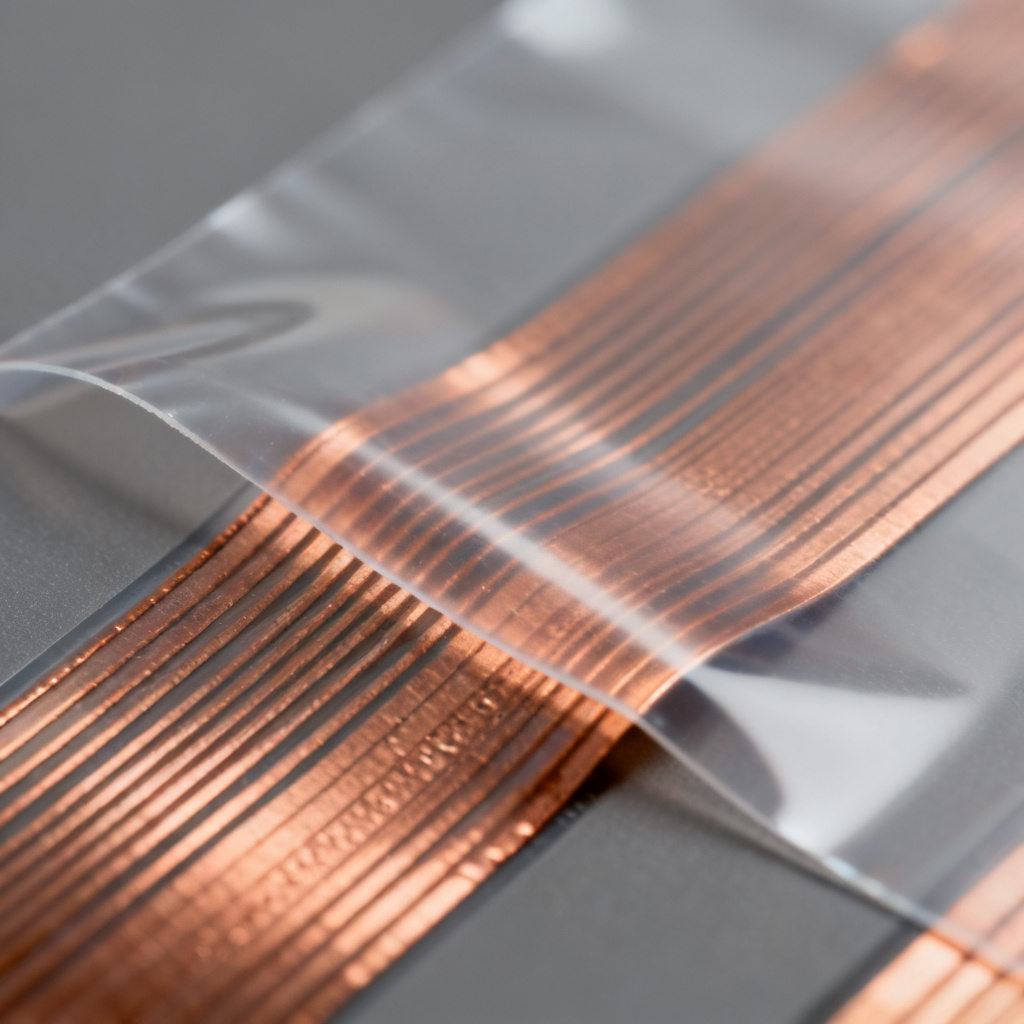
Coverlay is the flexible equivalent of the solder mask on a rigid PCB. It is a thin layer of insulating material (usually polyimide or PET) with a pressure-sensitive adhesive (PSA) or thermoplastic adhesive, applied over the copper traces to protect them from oxidation, short circuits, and mechanical damage.
Types of Coverlay
- Polyimide Coverlay (with Adhesive): The most common. A layer of polyimide film (typically 12.5 µm or 25 µm) is laminated over the circuit using a high-temperature acrylic or epoxy adhesive. This provides excellent thermal and chemical protection.
- Adhesiveless Coverlay (Cast Polyimide): A liquid polyimide is cast directly onto the copper and cured. This creates a thinner, more flexible, and more thermally stable protection layer. It is used in the most demanding dynamic flex designs.
- PET Coverlay: Used only with PET substrates. It is bonded with a lower-temperature acrylic adhesive. It offers cost savings but is limited to low-temperature applications.
- Photo-Imageable Coverlay (PIC): A liquid photo-imageable material that acts like a solder mask but remains flexible. It is screen-printed or curtain-coated and then developed. PIC is less robust than film-based coverlay but allows for finer resolution openings (vias and pads).
Why Coverlay is Superior to Solder Mask for Flex
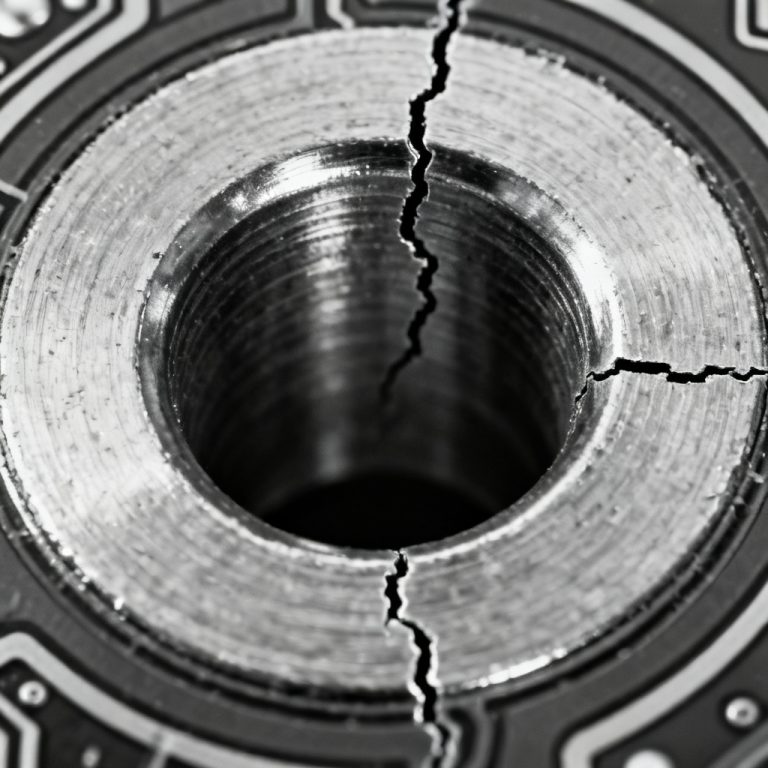
- Flexibility: Coverlay remains flexible after curing, while standard rigid solder mask becomes brittle and cracks when bent.
- Adhesion: Coverlay uses a flexible adhesive that conforms to the copper topography, providing superior adhesion compared to brittle solder mask on flex.
- Tear Resistance: Coverlay reinforces the flex circuit, reducing the risk of tearing at stress points (e.g., near connectors or bend areas).
Key Design Considerations for Coverlay
- Adhesive Flow: During lamination, the adhesive flows into the spaces between traces. This can cause “adhesive squeeze-out” onto pads, which must be removed by laser or plasma to ensure solderability. Always specify a “coverlay offset” (keeping the coverlay film 0.1-0.2 mm away from the pad edge) to prevent this.
- Vent Holes: In dynamic flex applications, air can become trapped between the coverlay and the copper. Small vent holes (0.5 mm diameter) should be designed into the coverlay to allow trapped air to escape during lamination.
- Selective Coverlay: You can choose to apply coverlay only to certain areas (e.g., over traces) and leave pads exposed. This reduces cost and improves flexibility in non-critical areas.
Material Comparison Table: Flexible PCB Materials – Polyimide, PET, Coverlay
| Property | Polyimide (PI) | PET | Coverlay (Polyimide-based) |
|---|---|---|---|
| Max Operating Temp | 300°C – 400°C | 105°C – 140°C | Up to 300°C (with PI adhesive) |
| Tensile Strength | 200 – 300 MPa | 150 – 200 MPa | Similar to base film |
| Flexibility | Excellent (dynamic) | Good (static only) | Excellent |
| Chemical Resistance | Excellent | Poor | Excellent |
| Cost | High | Low | Moderate to High |
| Typical Thickness | 12.5 – 125 µm | 25 – 350 µm | 12.5 – 50 µm (film) |
| Primary Use | Substrate | Substrate | Protective layer |
How to Choose the Right Flexible PCB Materials
Define the Operating Environment
Flexible PCB material selection starts with understanding your environment. If your circuit will see >140°C (even briefly during soldering), you must use polyimide. PET will fail. If exposed to solvents, oils, or acids, choose polyimide. For dynamic flex (continuous movement), always use polyimide with adhesiveless or low-flow coverlay. For static (bend-once), PET may be acceptable.
Consider the Layer Count
Simple single- or double-layer circuits can use PET for cost savings. Multi-layer or rigid-flex designs require polyimide for reliable lamination and thermal management.
Evaluate the Assembly Process
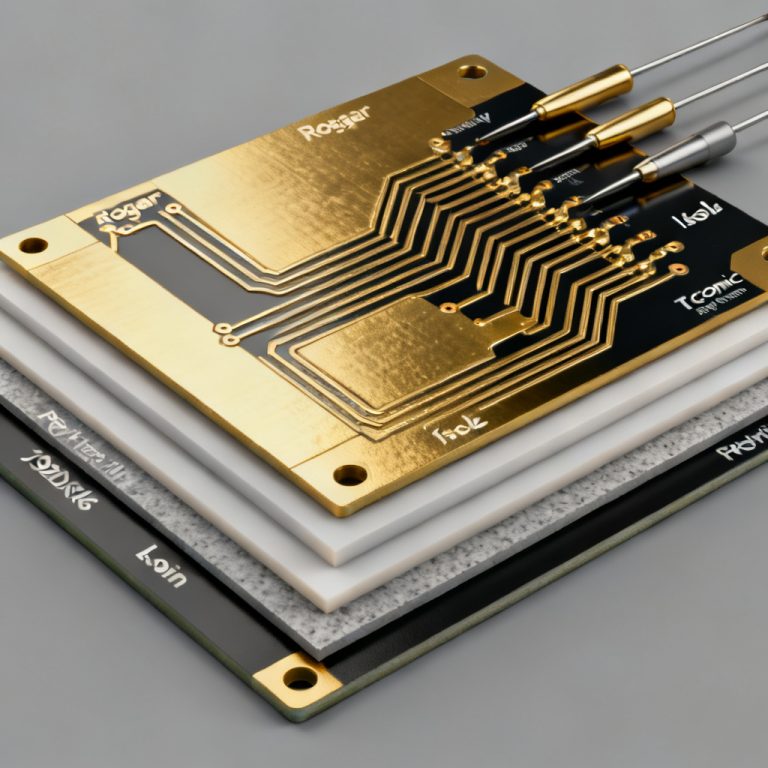
Polyimide withstands lead-free reflow profiles (peak 260°C). PET will melt or warp. If you must use PET, consider using a low-temperature solder (e.g., Indium-based) or conductive adhesives. The stiffener area (often made of polyimide, FR4, or stainless steel) should be designed to match the connector’s insertion force requirements. Coverlay thickness affects the overall stack-up.
Balance Performance and Budget
High-reliability, long-life products: Invest in polyimide and adhesiveless coverlay. Disposable, high-volume consumer goods: PET with a simple polyimide or PET coverlay is sufficient.