Turnkey PCBA Component Sourcing Assembly
In the fast-paced world of electronics manufacturing, Turnkey PCBA – component sourcing + assembly – has become synonymous with efficiency, reliability, and end-to-end solutions. For B2B clients—ranging from startups to large OEMs—the ability to hand over a design and receive a fully assembled, tested printed circuit board assembly (PCBA) is invaluable. This pillar page explores every facet of Turnkey PCBA, focusing on the two critical pillars: Component Sourcing and Assembly. By integrating insights from industry leaders, we provide a definitive resource that covers everything from procurement strategies to quality control, ensuring you can make informed decisions for your next project.
What is Turnkey PCBA? A Comprehensive Definition
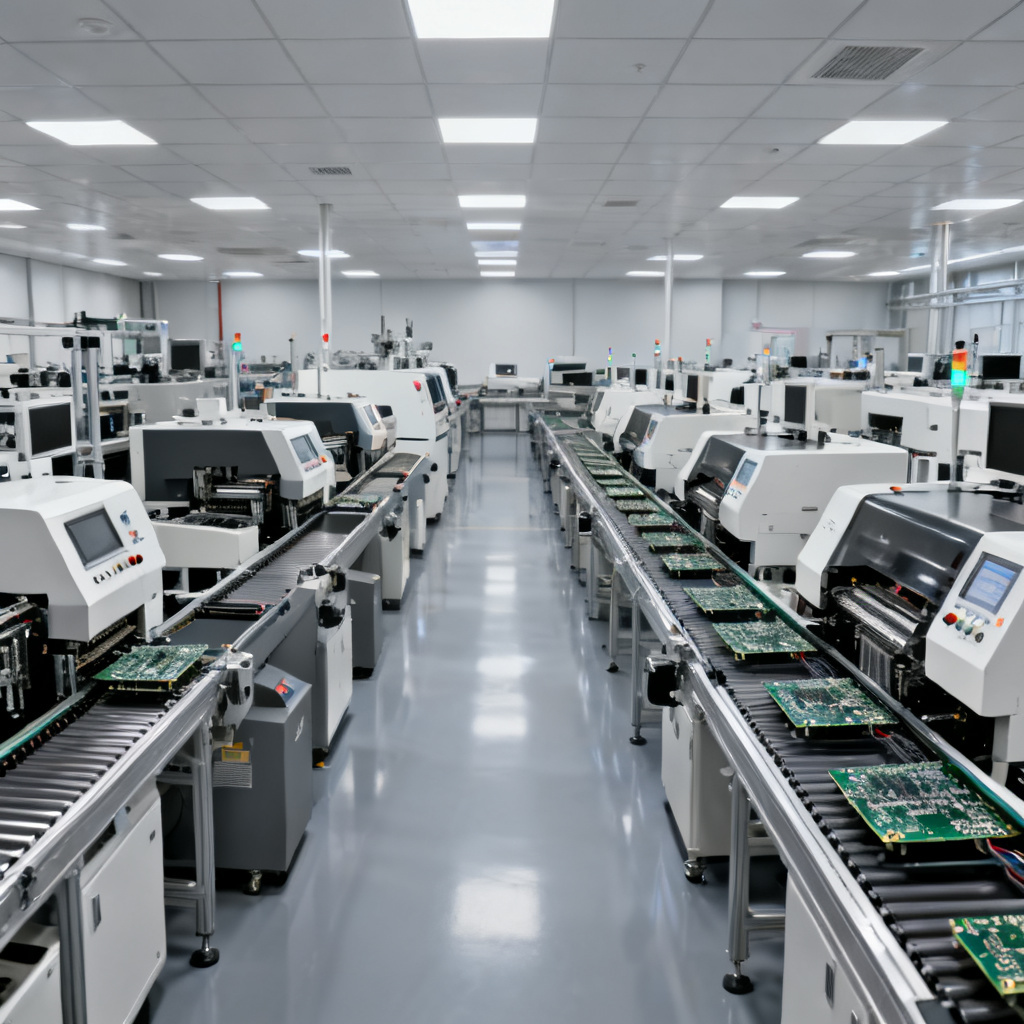
Turnkey PCBA is a full-service manufacturing model where a single vendor manages the entire process from component procurement to board assembly and testing. Unlike partial models (e.g., consignment where you supply parts), turnkey means the supplier takes full responsibility for sourcing all components—passive, active, and electromechanical—based on your bill of materials (BOM), then assembles them onto the PCB. This approach eliminates the need for you to manage multiple suppliers, negotiate separate contracts, or handle logistics. The result is a streamlined workflow that reduces time-to-market and minimizes supply chain risks.
From a B2B perspective, Turnkey PCBA solutions are particularly beneficial for complex projects involving hundreds of components, tight deadlines, or global shipping requirements. The vendor acts as a single point of contact, handling everything from part authentication to soldering and functional testing. This model is widely adopted in industries like automotive, industrial controls, medical devices, and telecommunications, where reliability and traceability are paramount.
The Two Pillars of Turnkey PCBA: Component Sourcing and Assembly
1. Component Sourcing: The Backbone of Turnkey PCBA
Component sourcing is not merely purchasing parts; it is a strategic process that impacts cost, lead time, and product quality. In a turnkey setup, the supplier’s procurement team leverages global networks to source components from authorized distributors (e.g., Digi-Key, Mouser, Arrow) or directly from manufacturers. Key aspects include:
- BOM Analysis and Optimization: The supplier reviews your BOM for obsolete, long-lead, or counterfeit-prone parts. They may suggest alternative components that are functionally equivalent but more readily available or cost-effective. For example, replacing a discontinued IC with a pin-compatible alternative can save weeks of delay.
- Global Sourcing Networks: Top-tier Turnkey PCBA providers maintain relationships with thousands of suppliers across Asia, Europe, and North America. This allows them to source rare or high-demand components (e.g., FPGAs, specialized connectors) quickly, often at competitive prices due to bulk purchasing power.
- Authenticity and Quality Assurance: Counterfeit components are a major risk in electronics. Professional turnkey vendors implement rigorous inspection protocols, including visual checks, X-ray analysis, and electrical testing. They source only from authorized channels or certified brokers, providing certificates of conformance (CoC) for critical parts.
- Inventory Management: For ongoing production, many suppliers offer kitting services or consignment stock. This means they hold inventory for your project, releasing it in batches to match your assembly schedule, reducing your capital tied up in unused parts.
Practical Example: A client designing a IoT gateway needed 500 units of a specific RF module with a 12-week lead time from the manufacturer. The turnkey supplier sourced an equivalent module from a different brand, verified its compatibility, and delivered all components within 3 weeks, avoiding project delays.
2. Assembly: From Solder Paste to Functional Testing
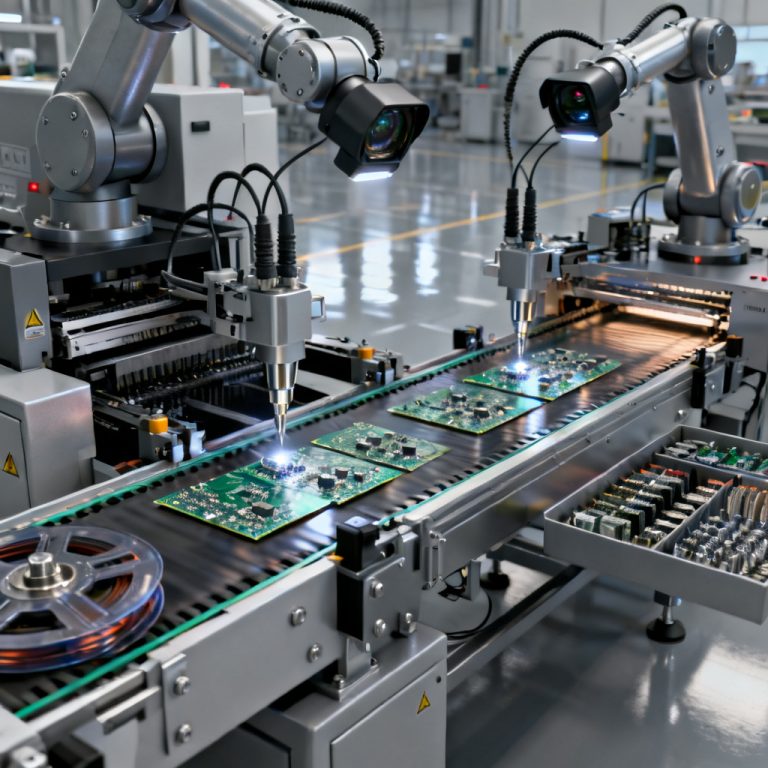
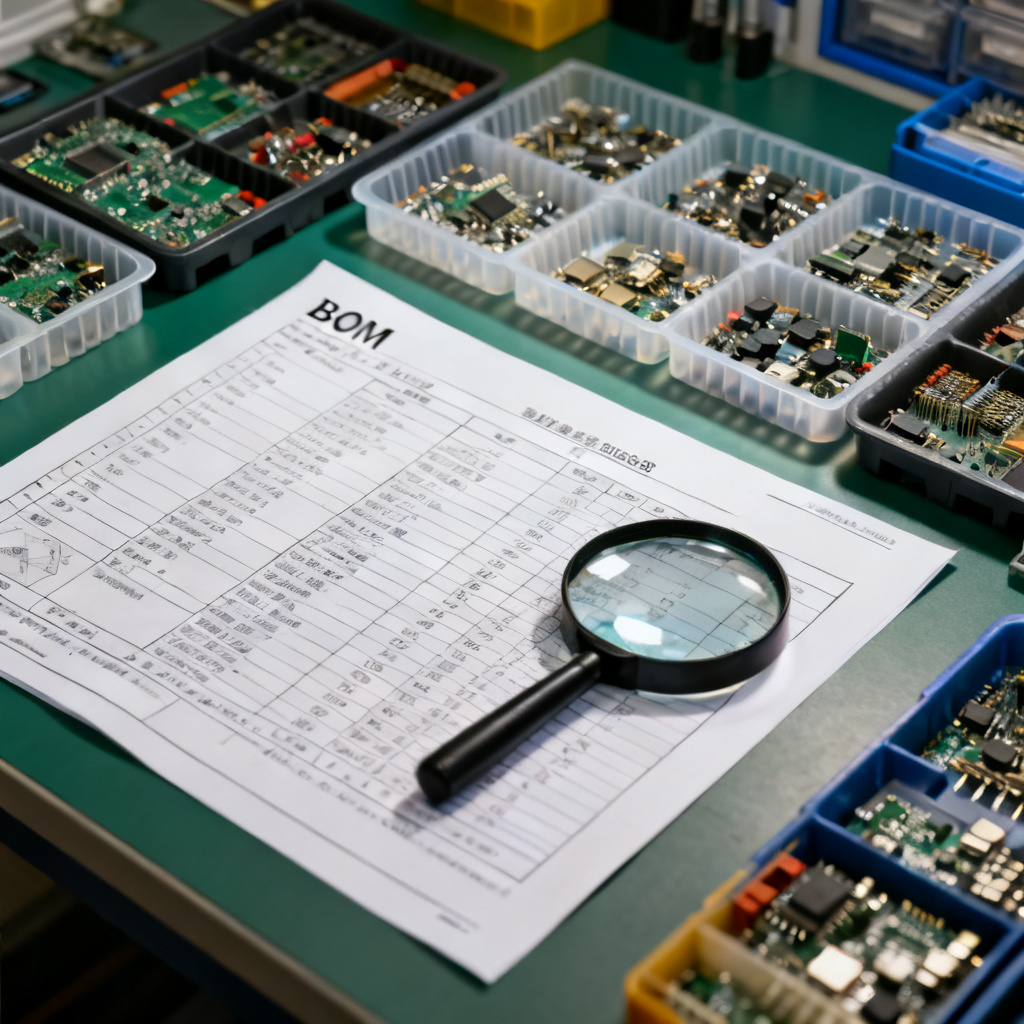
Assembly transforms a bare PCB and sourced components into a functional board. Turnkey PCBA assembly involves several precise stages:
- Solder Paste Printing: A stencil printer applies solder paste to the PCB pads. The stencil’s thickness and alignment are calibrated to ensure consistent volumes, especially for fine-pitch components like BGAs or QFNs.
- Pick-and-Place (SMT): High-speed automated machines place surface-mount components (SMDs) onto the paste. Accuracy is critical; top-tier facilities use machines with placement speeds of 20,000+ components per hour and precision within ±0.02mm. Vision systems verify component orientation and polarity.
- Reflow Soldering: The board passes through a reflow oven with precise temperature profiles. For lead-free soldering (e.g., SAC305), the profile must ramp up gradually to avoid thermal shock, peak at 240-250°C, and cool slowly to prevent solder joint defects.
- Through-Hole Soldering (Wave or Selective): For components like connectors or transformers, wave soldering or selective soldering is used. The latter is preferred for mixed-technology boards to avoid re-melting nearby SMD joints.
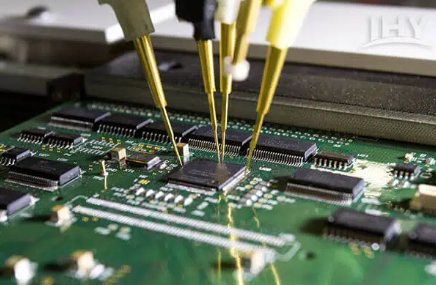
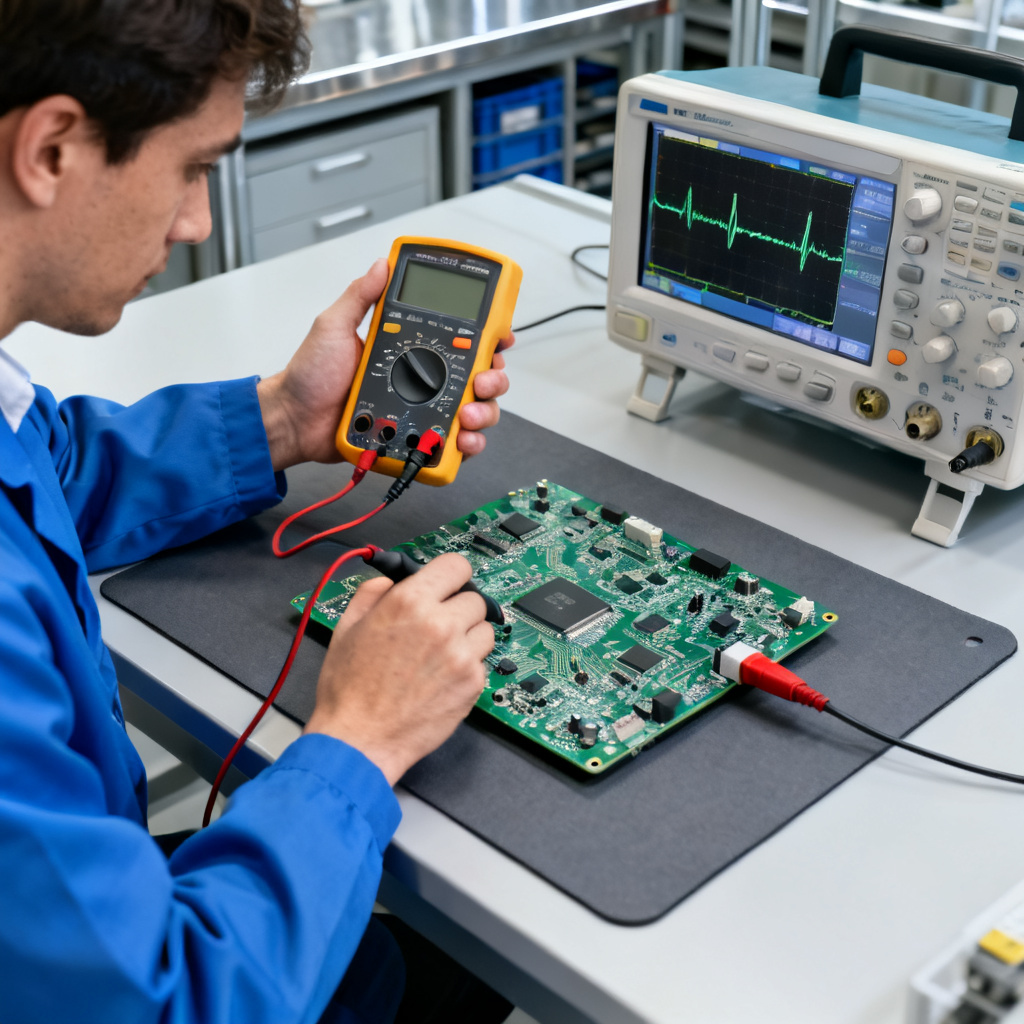
- Inspection and Testing: After soldering, automated optical inspection (AOI) checks for missing components, solder bridges, or misalignment. X-ray inspection is used for hidden joints like BGAs. Functional testing (FCT) or in-circuit testing (ICT) verifies electrical performance, often using custom test fixtures.
Quality Metrics: Professional assembly providers target defect rates below 50 parts per million (PPM) and offer warranties covering workmanship (e.g., IPC-A-610 Class 2 or 3 standards). They also document every step for traceability, including lot numbers and test results.
Why Choose Turnkey PCBA? Key Benefits for B2B Clients
1. Single Point of Responsibility
With turnkey, you avoid the “finger-pointing” that occurs when a component fails and the assembler blames the part, or vice versa. The turnkey provider is accountable for both sourcing and assembly, simplifying quality issues and warranty claims.
2. Cost and Time Efficiency
- Bulk Buying Power: Turnkey suppliers aggregate orders from multiple clients, negotiating lower prices from distributors. This can reduce component costs by 10-30% compared to buying individually.
- Reduced Overhead: You eliminate the need for your own procurement team, inventory storage, and logistics coordination. This saves labor costs and frees up resources for core R&D.
- Faster Time-to-Market: Since the vendor handles sourcing and assembly simultaneously, lead times are compressed. Many Turnkey PCBA providers offer 5-10 day turnaround for prototype runs and 3-4 weeks for production volumes.
3. Risk Mitigation
- Counterfeit Avoidance: Professional sourcing channels reduce the risk of fake components, which can cause field failures or safety hazards.
- Supply Chain Resilience: Suppliers can source alternative parts during shortages (e.g., the 2020-2023 semiconductor crisis), keeping your production on track.
- Compliance: Turnkey vendors ensure components meet RoHS, REACH, or other regional regulations, critical for export markets.
4. Scalability
Whether you need 10 prototypes or 10,000 production units, turnkey providers can scale. They often offer flexible pricing tiers—lower per-unit costs for higher volumes—and can ramp up production quickly without you needing to invest in new equipment.
The Turnkey PCBA Process: Step-by-Step Workflow
Step 1: Design for Manufacturing (DFM) Review
Before sourcing begins, the supplier reviews your PCB design files (Gerbers, BOM, pick-and-place files). They check for:
– Component footprints matching the assembly capabilities (e.g., minimum pad spacing for SMT).
– Thermal management issues (e.g., large copper pours near heat-sensitive parts).
– Testability (e.g., provision for test points). DFM feedback can prevent costly re-spins.
Step 2: BOM Quotation and Component Procurement
The supplier generates a quote based on your BOM, including component costs, assembly labor, and testing. After approval, they source components. This stage involves:
– Sourcing from authorized distributors or manufacturers.
– Negotiating prices and lead times.
– Verifying part numbers and specifications against the BOM.
Step 3: PCB Fabrication (If Included)
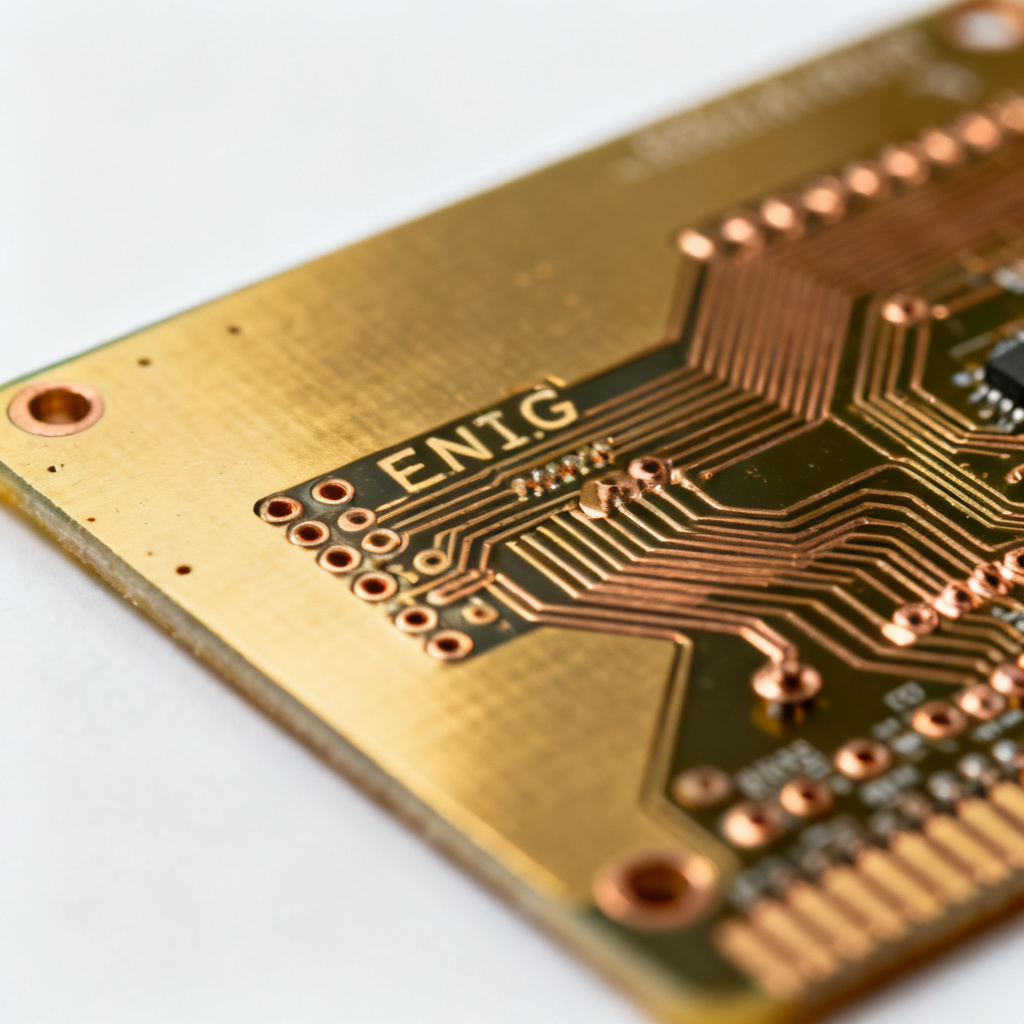
In many turnkey packages, the PCB itself is also manufactured by the same vendor (or a partner). This ensures compatibility between board dimensions and assembly equipment. Some providers offer “PCB + Assembly” as a bundled service.
Step 4: Assembly and Soldering
Components are loaded into the pick-and-place machine, and solder paste is applied. The board goes through reflow, wave, or selective soldering as needed. For prototypes, manual assembly may be used for odd-shaped parts.
Step 5: Inspection and Testing
- AOI: Scans for soldering defects.
- X-Ray: Checks BGA and QFN joints.
- ICT/FCT: Tests electrical functionality. For complex boards, boundary scan (JTAG) may be used.
- Burn-In Testing: For high-reliability applications, boards may undergo temperature cycling or voltage stress tests.
Step 6: Packaging and Shipping
Boards are packed in anti-static bags or trays, often with foam inserts to prevent damage. The supplier provides shipping documentation, including customs paperwork for international orders.
Common Challenges and How Turnkey Providers Solve Them
Challenge 1: Component Shortages
During global shortages (e.g., for microcontrollers or memory chips), turnkey suppliers use their network to find stock at non-standard distributors or offer alternative parts. They may also pre-purchase long-lead components based on forecasted orders.
Challenge 2: Counterfeit Parts
Solution: Multi-step verification, including:
– Visual inspection under microscope.
– Dimensional measurement against datasheets.
– Electrical testing (e.g., IV curve tracing).
– X-ray analysis for internal die consistency.
Challenge 3: Mixed Technology Boards (SMT + Through-Hole)
Solution: Selective soldering or palletized wave soldering. The provider adjusts the process to avoid damaging SMD components during through-hole soldering.
Challenge 4: Lead-Free vs. Leaded Solder
Some clients require leaded solder for reliability (e.g., aerospace), while others need lead-free for RoHS compliance. Turnkey vendors can switch between profiles, but they must clean boards thoroughly to avoid contamination.
How to Choose a Turnkey PCBA Partner: Criteria and Questions to Ask
1. Certifications and Standards
- ISO 9001:2015 for quality management.
- IPC-A-610 or IPC J-STD-001 for workmanship acceptance.
- UL or CE for product safety (if required for your market).
- ITAR for defense applications.
2. Sourcing Capabilities
- Do they have agreements with authorized distributors?
- Can they source hard-to-find components?
- What is their process for component obsolescence management?
3. Assembly Technology
- What SMT machines do they use (e.g., Fuji, Panasonic, Yamaha)?
- Can they handle fine-pitch components (e.g., 0.4mm pitch BGAs)?
- What testing equipment is available (AOI, X-ray, ICT)?
4. Lead Times and Pricing
- Typical turnaround for prototypes (e.g., 5-10 business days).
- Minimum order quantities (MOQ) for components.
- Pricing model: fixed cost per board or cost-plus for components?
5. Customer Support
- Do they provide a dedicated project manager?
- Is there a DFM feedback service?
- How do they handle warranty claims?
6. Case Studies and References
Ask for examples of similar projects (e.g., high-mix low-volume, or high-volume production). Check online reviews or request client testimonials.
Turnkey PCBA vs. Other Assembly Models: A Comparison
| Turnkey PCBA Model | Description | Best For | Pros | Cons |
|---|---|---|---|---|
| Turnkey | Vendor sources all components and assembles | B2B clients wanting simplicity | Single point of contact, lower risk, faster | Higher component markup (sometimes) |
| Consignment | Client supplies all components; vendor only assembles | Clients with existing inventory or preferred suppliers | Lower component cost, control over parts | Requires procurement expertise, risk of shortages |
| Partial Turnkey | Vendor sources some parts (e.g., passives); client supplies others | Mixed scenarios | Balanced control and convenience | Coordination complexity |
| Full Turnkey (PCB + Assembly) | Vendor also manufactures the bare PCB | Clients wanting end-to-end solution | Complete integration, guaranteed fit | May be less flexible for PCB design changes |
Future Trends in Turnkey PCBA
- AI-Driven Sourcing: Machine learning algorithms predict component shortages and suggest alternatives in real-time.
- Automated DFM: Software that automatically adjusts PCB layouts for optimal assembly yield.
- Additive Manufacturing: 3D printing of custom components or solder masks for rapid prototyping.
- Blockchain for Traceability: Immutable records of component origins and assembly dates, enhancing trust.
- Green Manufacturing: Use of bio-based solder pastes and energy-efficient reflow ovens.
Glossary of Key Terms
- BOM (Bill of Materials): A comprehensive list of components required for a PCB assembly, including part numbers, quantities, and specifications.
- DFM (Design for Manufacturing): A set of guidelines to ensure PCB designs are optimized for efficient and cost-effective assembly.
- SMT (Surface-Mount Technology): A method of mounting electronic components directly onto the surface of a PCB.
- AOI (Automated Optical Inspection): A machine vision system that inspects solder joints and component placement for defects.
- ICT (In-Circuit Testing): An electrical test that checks individual components and connections on a populated PCB.
- FCT (Functional Testing): A test that verifies the complete board performs its intended functions under simulated operating conditions.
- RoHS (Restriction of Hazardous Substances): A directive restricting the use of certain hazardous materials in electronic products.
- IPC-A-610: An industry standard for the acceptability of electronic assemblies, defining workmanship criteria.
Conclusion: Why Turnkey PCBA is the Smart Choice for Your Export Business
For B2B companies in the PCB industry, adopting a Turnkey PCBA model—with integrated component sourcing and assembly—offers a clear path to efficiency, quality, and scalability. By leveraging expert sourcing networks, advanced assembly technologies, and rigorous testing, you can focus on innovation while your partner handles the complexities of production. Whether you are preparing for a prototype run or mass production, the insights in this guide equip you to evaluate suppliers, mitigate risks, and achieve faster time-to-market.
Ready to start your next project? Contact us for a free DFM review and turnkey quote. Our team of engineers will analyze your BOM, suggest cost-saving alternatives, and deliver fully assembled boards within your timeline. Let’s turn your design into a reality.
Frequently Asked Questions (FAQ)
What is the typical turnaround time for Turnkey PCBA?
Typical turnaround for Turnkey PCBA prototypes ranges from 5-10 business days, while production volumes (1000+ units) usually take 3-4 weeks, depending on component availability.
Can Turnkey PCBA handle both prototype and high-volume production?
Yes, most Turnkey PCBA providers are equipped to handle both low-volume prototypes and high-volume production, often with scalable pricing and flexible lead times.
How does component sourcing work in Turnkey PCBA?
In Turnkey PCBA, the supplier sources all components based on your BOM, using authorized distributors and global networks to ensure authenticity and competitive pricing.
What testing is included in Turnkey PCBA services?
Standard testing includes AOI, X-ray inspection for hidden joints, and functional testing (FCT). Some providers also offer in-circuit testing (ICT) and burn-in testing for high-reliability projects.
Is Turnkey PCBA suitable for export-oriented B2B businesses?
Absolutely. Turnkey PCBA simplifies logistics, ensures regulatory compliance (e.g., RoHS), and provides a single point of contact, making it ideal for export-oriented B2B clients.