PCB Cost Optimization, Procurement Strategies & Supply Chain Risk
In the high-stakes world of B2B electronics manufacturing, mastering PCB Cost Optimization Procurement Strategies Supply Chain Risk is essential for product success. This pillar page is your definitive guide to these three pillars.
1. PCB Cost Optimization – Beyond the Board Price
True PCB cost optimization requires a holistic view of the Total Cost of Ownership (TCO). This includes design decisions, material selection, and manufacturing complexity.

1.1 Design for Manufacturability (DFM) as a Cost Lever
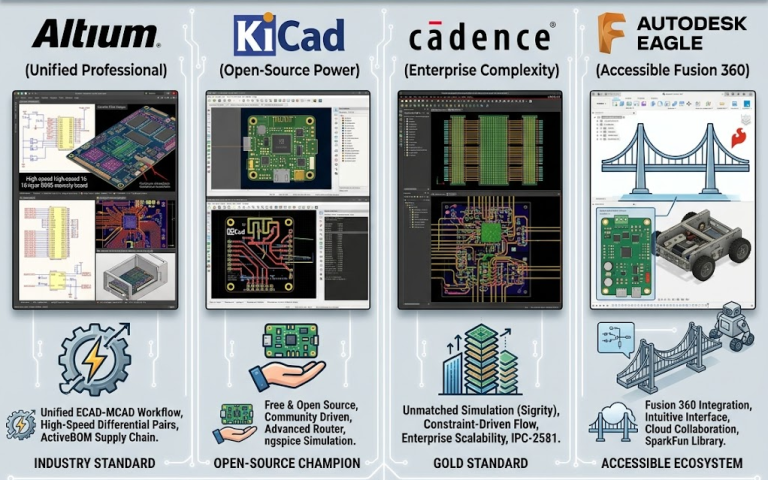
Effective PCB cost optimization begins on your engineer’s CAD screen. A board designed for manufacturing eliminates unnecessary steps that drive up price.
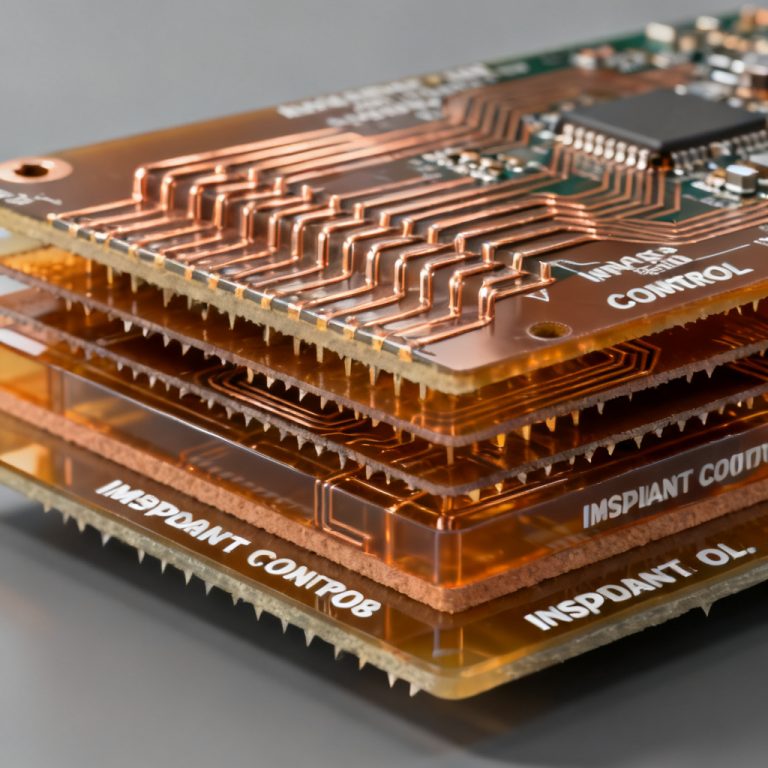
- Layer Count Reduction: Each additional layer adds significant cost. Optimize your routing to reduce from 6 layers to 4 whenever possible.
- Panel Utilization: Standard PCB panels are 18″ x 24″. Your board’s dimensions should maximize the number of boards per panel. A 10% increase in panel utilization can reduce unit cost by 15-20%.
- Via Types: Blind and buried vias are expensive. Use through-hole vias or simple microvias (HDI) only when absolutely necessary.
- Tight Tolerances: Avoid specifying ±5% impedance or ±0.05mm drill sizes unless your circuit requires it. Standard tolerances (±10%) are far cheaper.
1.2 Material Selection Strategy
For optimal PCB cost optimization, the substrate material is a major cost driver. While FR-4 is the standard, not all FR-4 is equal.
- Standard FR-4 (Tg 130-140°C): Best for consumer and general-purpose electronics.
- High-Tg FR-4 (Tg 170-180°C): Necessary for lead-free soldering and high-heat environments. Cost is ~20-30% higher.
- Specialty Materials (Rogers, Polyimide): Only for RF, microwave, or extreme thermal applications. Expect 3-10x the cost of FR-4.
- Copper Weight: Standard 1 oz copper is sufficient for most designs. Heavy copper (2 oz, 3 oz) increases etching time and cost.
1.3 Surface Finish Cost-Benefit Analysis
The surface finish protects exposed copper pads. A key part of PCB cost optimization is choosing based on your assembly needs and budget.
| Finish | Cost | Shelf Life | Best For | Risk |
|---|---|---|---|---|
| HASL (Lead-Free) | Low | 12 months | General purpose, through-hole | Uneven surface for fine-pitch |
| ENIG | Medium-High | 12+ months | Fine-pitch BGA, flat pads | “Black Pad” corrosion risk |
| OSP | Low | 6 months | High-volume SMT | Short shelf life, fragile |
| Immersion Silver | Medium | 6-12 months | RF, high-speed | Tarnish, requires careful handling |
| Immersion Tin | Medium | 6-12 months | Press-fit connectors | Whisker growth risk |
Recommendation: For most B2B applications, ENIG offers the best balance of reliability and processing ease, while HASL remains the most cost-effective for low-complexity boards.
1.4 Volume & Lead Time Optimization
PCB cost optimization through volume and lead time management is critical.
- Economies of Scale: The “sweet spot” for pricing is typically between 100-500 boards per order. Below 50 boards, setup costs dominate.
- Panelization: For small boards, panelizing them into a single array reduces handling and assembly cost.
- Lead Time vs. Cost: Standard lead time (10-15 days) is cheapest. Expedited service (3-5 days) carries a 50-100% premium.
2. Strategic PCB Procurement – Sourcing Excellence
Strategic procurement is no longer just about getting the lowest quote. It is about building a resilient, transparent, and value-driven supply chain that supports PCB cost optimization and reliability.

2.1 Supplier Selection Criteria
When evaluating procurement strategies, don’t choose a supplier based solely on price. Evaluate them on:
- Certifications: ISO 9001 (Quality), ISO 14001 (Environmental), UL (Safety), ITAR (Defense).
- Technical Capability: Can they handle your specific layer count, material, and finish requirements?
- Communication: Do they have English-speaking project managers? Do they provide real-time DFM feedback?
- Financial Stability: A cheap supplier that goes bankrupt mid-project is a major risk.
2.2 The Art of the RFQ (Request for Quotation)
A poorly defined RFQ leads to inaccurate pricing and production delays. Effective procurement strategies require your RFQ to include:
- Gerber Files (RS-274X) + Drill Files (Excellon).
- Bill of Materials (BOM) for assembly.
- Netlist for electrical testing.
- Fabrication Drawing: Clearly state dimensions, material, stackup, tolerances, and surface finish.
- Quantity & Lead Time: Be realistic. A “prototype quantity” vs “production quantity” changes the entire pricing structure.
2.3 Negotiation Tactics for B2B Buyers
Strong procurement strategies include effective negotiation:
- Consolidate Orders: Combine multiple PCB designs into a single monthly order to gain volume discounts.
- Ask for “Panel Saving” Discounts: If your design allows for high panel utilization, ask the supplier to share the savings.
- Long-Term Agreements (LTA): Commit to a 6-12 month forecast in exchange for fixed pricing and priority capacity.
- Payment Terms: Standard is 30-50% deposit, 50-70% on shipment. Negotiate for 30-day net terms after credit check.
2.4 Quality Assurance & Testing
Quality assurance is a cornerstone of modern procurement strategies.
- AOI (Automated Optical Inspection): Essential for detecting soldering defects.
- Flying Probe Testing: Cost-effective for low-to-mid volume. Tests for shorts and opens.
- Impedance Testing: Critical for high-speed designs. Ensure the supplier has a TDR (Time Domain Reflectometer).
- X-Ray Inspection: Required for BGA and QFN packages to verify solder joint integrity.
3. Supply Chain Risk Management – Building Resilience
Effective procurement strategies must include robust supply chain risk management. The global PCB supply chain is fragile.

3.1 Identifying Key Risks
Supply chain risk management starts with identifying vulnerabilities:
- Single-Source Dependency: Relying on one factory for a critical material or process.
- Geopolitical Concentration: Over 70% of global PCB production is in China and Taiwan. Trade wars, sanctions, or natural disasters can halt supply.
- Raw Material Volatility: Copper prices fluctuate with global demand. Epoxy resin is tied to crude oil.
- Logistics Disruption: Port congestion, container shortages, and air freight costs can double your landed cost overnight.
3.2 Mitigation Strategies
Strong supply chain risk management involves proactive mitigation:
- Dual-Sourcing (Multi-Sourcing): Qualify at least two suppliers in different geographic regions. For example, one in China for cost, one in Southeast Asia (Vietnam, Thailand) or Eastern Europe for redundancy.
- Inventory Buffering: Maintain a safety stock of your most critical PCB designs (e.g., 4-8 weeks of demand). Use a “Just-in-Case” model, not “Just-in-Time.”
- Supplier Audits: Conduct annual on-site or virtual audits of your top suppliers. Verify their raw material inventory, equipment maintenance, and disaster recovery plans.
- Contractual Protections: Include force majeure clauses, liquidated damages for delays, and price escalation formulas tied to raw material indices (e.g., LME copper price).
3.3 The Role of Technology in Risk Management
Technology enhances supply chain risk management:
- Supply Chain Visibility Platforms: Use tools like Resilinc or E2open to monitor real-time supplier health, weather events, and factory shutdowns.
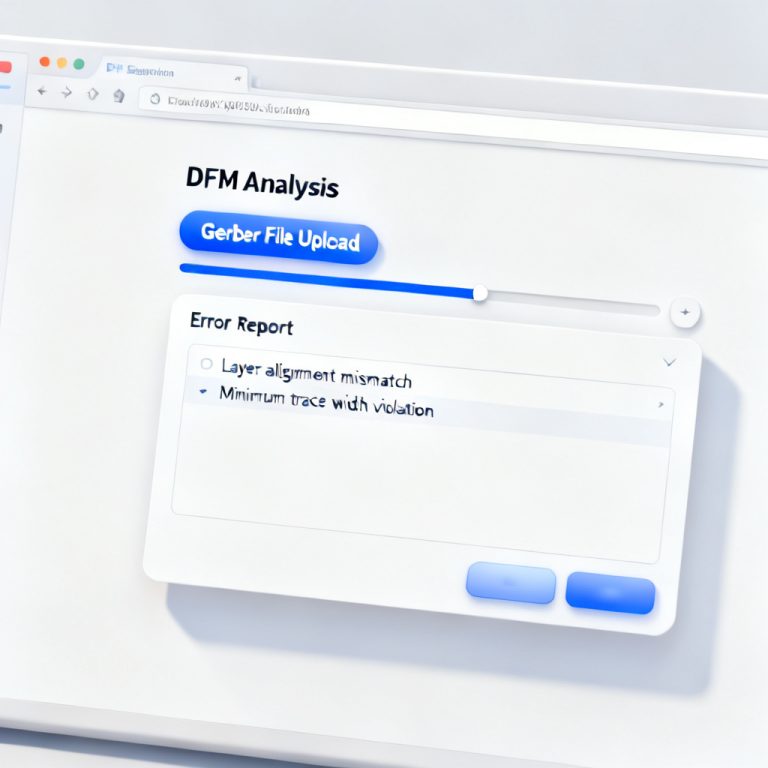
- Digital Twin & DFM Software: Simulate your design in the supplier’s manufacturing environment to catch issues before production.
- Blockchain for Traceability: Emerging technology for tracking raw material provenance and ensuring compliance (e.g., conflict minerals).
3.4 Building a Crisis Response Plan
A comprehensive supply chain risk management plan includes a crisis response:
- Identify Critical PCBs: Which boards are mission-critical? (e.g., medical devices, aerospace).
- Map the Supply Chain: Know your Tier 1, Tier 2, and Tier 3 suppliers (raw material sources).
- Establish Communication Protocols: Have a direct line to your supplier’s CEO or COO.
- Develop “Plan B” Designs: Have a secondary, slightly less optimized PCB design that uses readily available materials and simpler processes.
- Insurance: Consider business interruption insurance that covers supply chain disruptions.
Conclusion: The Integrated Strategy
PCB cost optimization, procurement, and supply chain risk management are not separate functions—they are a single, integrated strategy. A board that is cheap to buy but fails in the field is a liability. A supplier that is fast but unstable is a risk.
Your Action Plan:
- Design for Cost: Use DFM principles to reduce layer count and improve panel utilization.
- Procure for Value: Qualify suppliers on quality, capability, and communication, not just price.
- Manage for Resilience: Dual-source critical boards, buffer inventory, and monitor geopolitical risks.
By mastering these three pillars, you transform PCB sourcing from a cost center into a competitive advantage. Your product will get to market faster, at a lower cost, and with fewer disruptions.

FAQ: PCB Cost Optimization, Procurement Strategies & Supply Chain Risk
What is the most important factor in PCB cost optimization?
How do procurement strategies impact PCB cost optimization?
What is the biggest risk in PCB supply chain risk management?
Need Expert Guidance? We specialize in B2B PCB manufacturing and supply chain solutions. Contact our team for a free DFM review or a multi-supplier sourcing strategy consultation. Let’s build your next project on a foundation of reliability and cost efficiency.
Editor’s Note: This pillar page is a living document. As the PCB industry evolves—with new materials, tariffs, and technologies—we will update this content to keep you informed. Bookmark this page and subscribe to our newsletter for the latest insights.