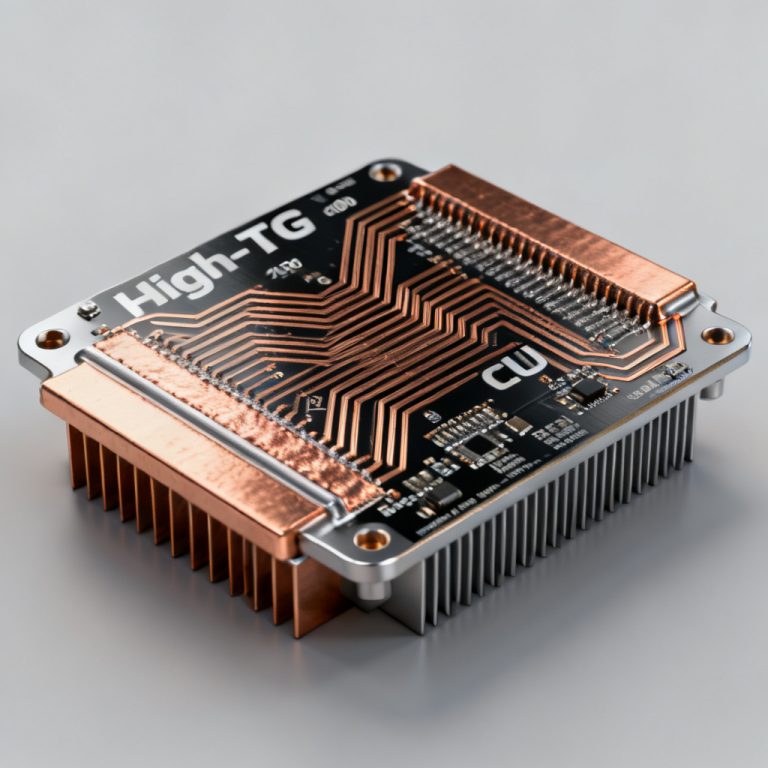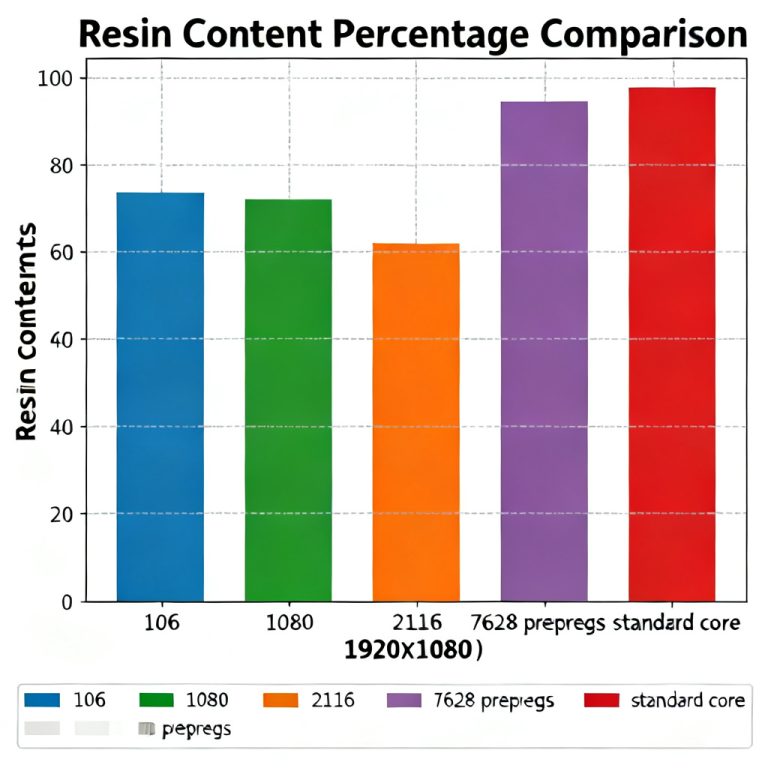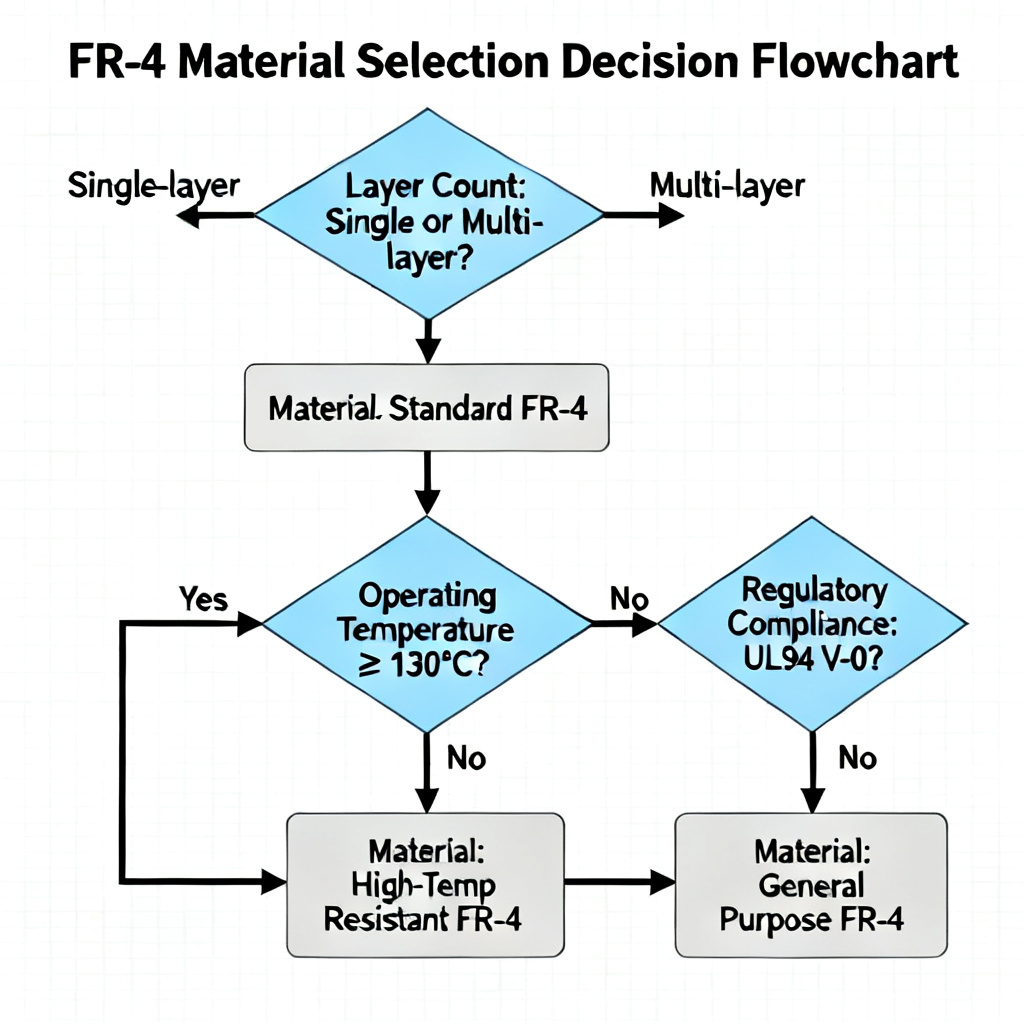
FR 4 Materials Standard High Tg Halogen Free
FR‑4 Materials – Standard, High‑Tg, Halogen‑Free: The Complete Guide for PCB Design and Manufacturing
Introduction: Why FR‑4 Matters in PCB Production
FR‑4 (Flame Retardant 4) is the most widely used substrate material in the printed circuit board (PCB) industry, accounting for over 90% of all rigid PCBs manufactured globally. It is a glass-reinforced epoxy laminate that offers a balanced combination of mechanical strength, electrical insulation, thermal resistance, and cost-effectiveness. However, not all FR‑4 is created equal. Depending on your application—from consumer electronics to automotive, industrial, or high-reliability aerospace systems—you need to choose between Standard FR‑4, High‑Tg FR‑4, and Halogen‑Free FR‑4.
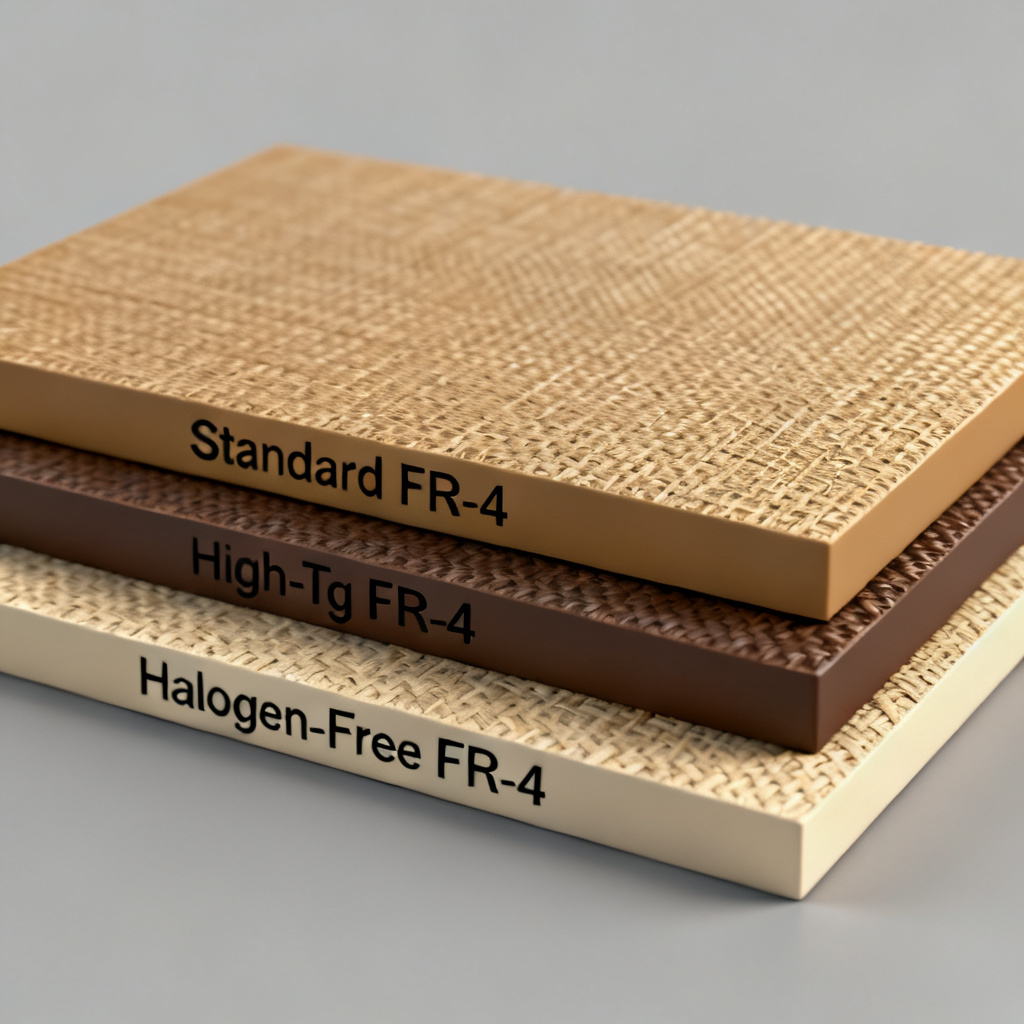
This post is your definitive resource. We cover everything from FR 4 Materials Standard High Tg Halogen Free, material composition and key properties (Tg, CTE, dielectric constant) to application scenarios, selection criteria, and manufacturing considerations. Whether you are a design engineer, procurement specialist, or production manager, you will find the technical depth and practical advice needed to make informed decisions.
Part 1: Understanding FR‑4 – The Core Material
1.1 What Is FR‑4?
FR‑4 is a composite material composed of woven fiberglass cloth impregnated with an epoxy resin system. The “FR” stands for “Flame Retardant,” and the “4” indicates the specific resin type that meets UL 94 V‑0 flammability standards (self-extinguishing within 10 seconds). The material is manufactured by laminating multiple layers of pre‑preg (pre‑impregnated fiberglass) and copper foil under heat and pressure.
Key characteristics:
- Glass transition temperature (Tg): Typically 130–140°C for standard FR‑4.
- Dielectric constant (Dk): ~4.5 at 1 MHz, stable across a range of frequencies.
- Dissipation factor (Df): ~0.02 at 1 MHz.
- Thermal conductivity: ~0.3–0.4 W/m·K.
- Moisture absorption: <0.1% after 24 hours in water (typical).
- CTE (Coefficient of Thermal Expansion): 50–70 ppm/°C in the X‑Y plane; 130–200 ppm/°C in the Z‑axis.
1.2 The Role of Glass Transition Temperature (Tg)
Tg is the temperature at which the polymer matrix transitions from a rigid, glassy state to a softer, rubbery state. Below Tg, the material maintains dimensional stability and mechanical integrity. Above Tg, the resin expands rapidly (especially in the Z‑axis), leading to potential failures such as:
- Plated through‑hole (PTH) cracking
- Delamination between layers
- Warpage during soldering
Standard FR‑4 (Tg 130–140°C) is sufficient for most single‑ and double‑layer boards and simple multilayer designs. However, for boards with:
- More than 8 layers
- Lead‑free soldering (peak temperature 245–260°C)
- High operating temperatures (>100°C continuous)
- Heavy copper layers (≥2 oz)
…you should consider High‑Tg FR‑4 (Tg 170–180°C) or even higher‑Tg materials.
1.3 Halogen‑Free FR‑4: Why It Matters
Traditional FR‑4 uses brominated flame retardants (e.g., tetrabromobisphenol‑A, TBBPA) to achieve UL 94 V‑0. While effective, these halogens can release toxic and corrosive gases (e.g., hydrogen bromide, dioxins) during combustion or incineration. Halogen‑free FR‑4 replaces bromine with phosphorus‑based or nitrogen‑based flame retardants.
Key advantages:
- Lower environmental impact (RoHS, WEEE, and REACH compliance).
- Reduced smoke toxicity and corrosivity in fire events.
- Better performance in high‑humidity environments (lower ionic contamination).
- Suitable for applications requiring IEC 61249‑2‑21 or JPCA‑ES‑01 standards.
Trade‑offs:
- Slightly higher cost (10–20% premium over standard FR‑4).
- May require adjusted drilling and lamination parameters.
- Slightly different dielectric properties (Dk/Df may shift by 0.2–0.3).
Part 2: Standard FR‑4 – The Workhorse
2.1 When to Use Standard FR‑4
Standard FR‑4 (e.g., IT‑180A, S1141, or equivalent) is ideal for:
- Consumer electronics (smartphones, tablets, wearables)
- Low‑cost industrial controls
- LED lighting (non‑high‑power)
- Simple power supplies and adapters
- Prototypes and low‑volume production
Limitations:
- Not suitable for continuous operation above 110°C.
- Risk of delamination during multiple reflow cycles.
- Higher Z‑axis CTE (200+ ppm/°C) can cause PTH stress in thick boards.
2.2 Manufacturing Considerations
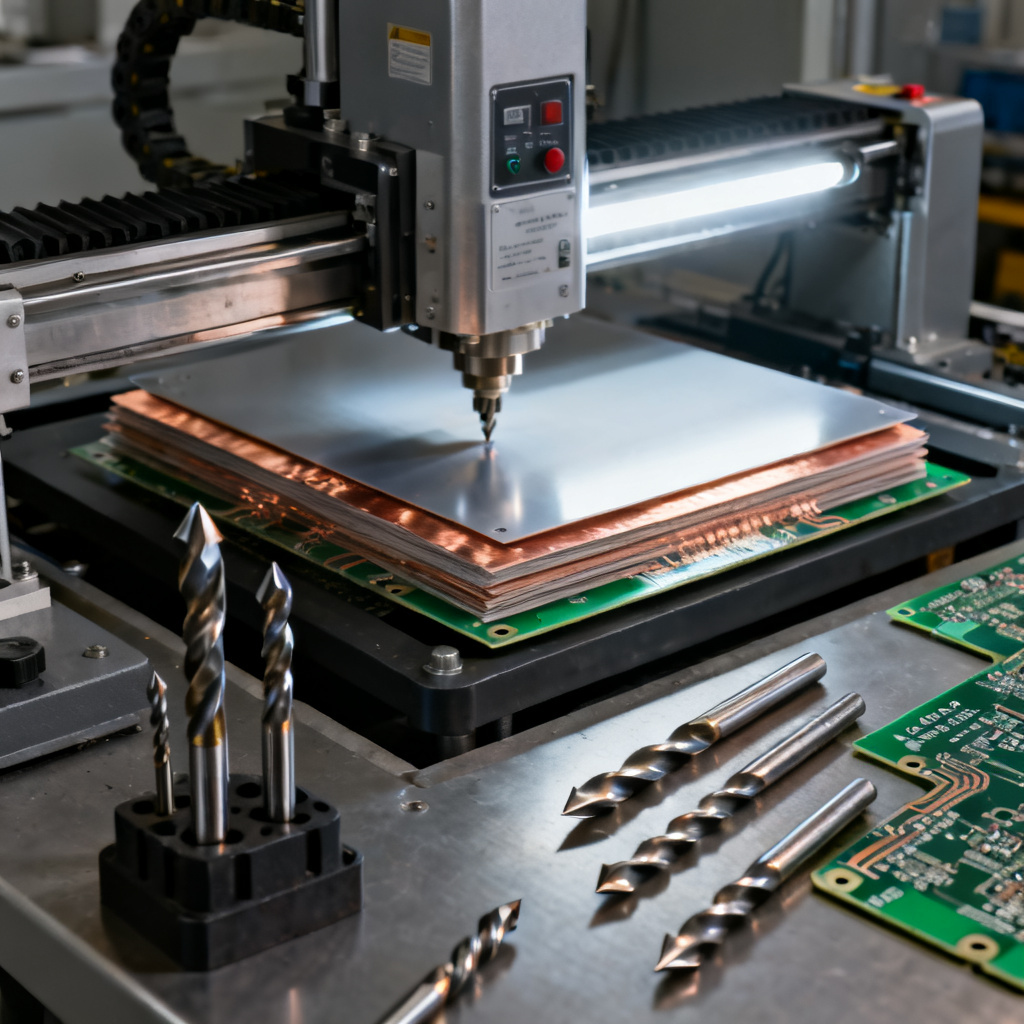
- Drilling: Standard carbide drills; recommended feed and speed per manufacturer data.
- Plating: Standard electroless copper and electrolytic plating; no special pretreatment.
- Solder mask: Compatible with all standard liquid photoimageable (LPI) and dry‑film solder masks.
- Surface finish: ENIG, HASL, OSP, immersion silver, etc., all work without issue.
2.3 Cost vs. Performance
Standard FR‑4 is the most economical choice, typically costing 20–30% less than High‑Tg and 15–25% less than Halogen‑Free variants. For high‑volume, low‑margin products, it remains the default.
Part 3: High‑Tg FR‑4 – For Demanding Applications
3.1 What Makes High‑Tg Different?
High‑Tg FR‑4 (Tg ≥ 170°C, often 170–180°C) uses modified epoxy resins with higher cross‑link density. This results in:
- Lower Z‑axis CTE (typically 130–160 ppm/°C vs. 200+ ppm/°C for standard).
- Better thermal stability during lead‑free soldering (peak 260°C).
- Improved mechanical strength at elevated temperatures.
- Reduced risk of PTH cracking in thick multilayer boards.
Common grades: IT‑180A, S1000‑2, R‑1755C, or equivalent.
3.2 Application Scenarios
High‑Tg FR‑4 is recommended for:
- Automotive electronics (under‑hood modules, engine control units)
- Industrial power supplies and inverters
- LED lighting with high‑power LEDs (thermal dissipation)
- Telecommunications (base stations, routers)
- Multilayer boards with 10+ layers
- Heavy copper designs (≥3 oz copper)
- Lead‑free assembly (multiple reflow cycles)
3.3 Performance Advantages
| Property | Standard FR‑4 | High‑Tg FR‑4 |
|---|---|---|
| Tg (DSC) | 130–140°C | 170–180°C |
| Z‑axis CTE (below Tg) | 50–70 ppm/°C | 40–60 ppm/°C |
| Z‑axis CTE (above Tg) | 250–300 ppm/°C | 200–250 ppm/°C |
| Td (decomposition temp) | 300–310°C | 330–350°C |
| Moisture absorption | 0.10–0.12% | 0.08–0.10% |
3.4 Manufacturing Adjustments
- Drilling: Slightly harder material; use higher spindle speed or lower feed rate.
- Desmear: More aggressive plasma or chemical desmear may be needed due to higher cross‑link density.
- Lamination: Higher press temperature and longer dwell time required.
- Solder mask: Standard LPI works, but ensure full cure (higher temperature or longer UV exposure).
3.5 Cost and Availability
High‑Tg FR‑4 costs 20–40% more than standard FR‑4. Lead times are similar, but some specialty grades may require minimum order quantities.
Part 4: Halogen‑Free FR‑4 – Eco‑Friendly and Reliable
4.1 Composition and Standards
Halogen‑free FR‑4 replaces brominated flame retardants with phosphorus‑based (e.g., DOPO) or nitrogen‑based compounds. It meets:
- IEC 61249‑2‑21: Maximum chlorine content ≤ 900 ppm, bromine ≤ 900 ppm, total halogens ≤ 1500 ppm.
- JPCA‑ES‑01: Similar limits.
- UL 94 V‑0 (still achieved without halogens).
Common grades: IS410, R‑1566, EM‑827, or equivalent.
4.2 Performance Characteristics
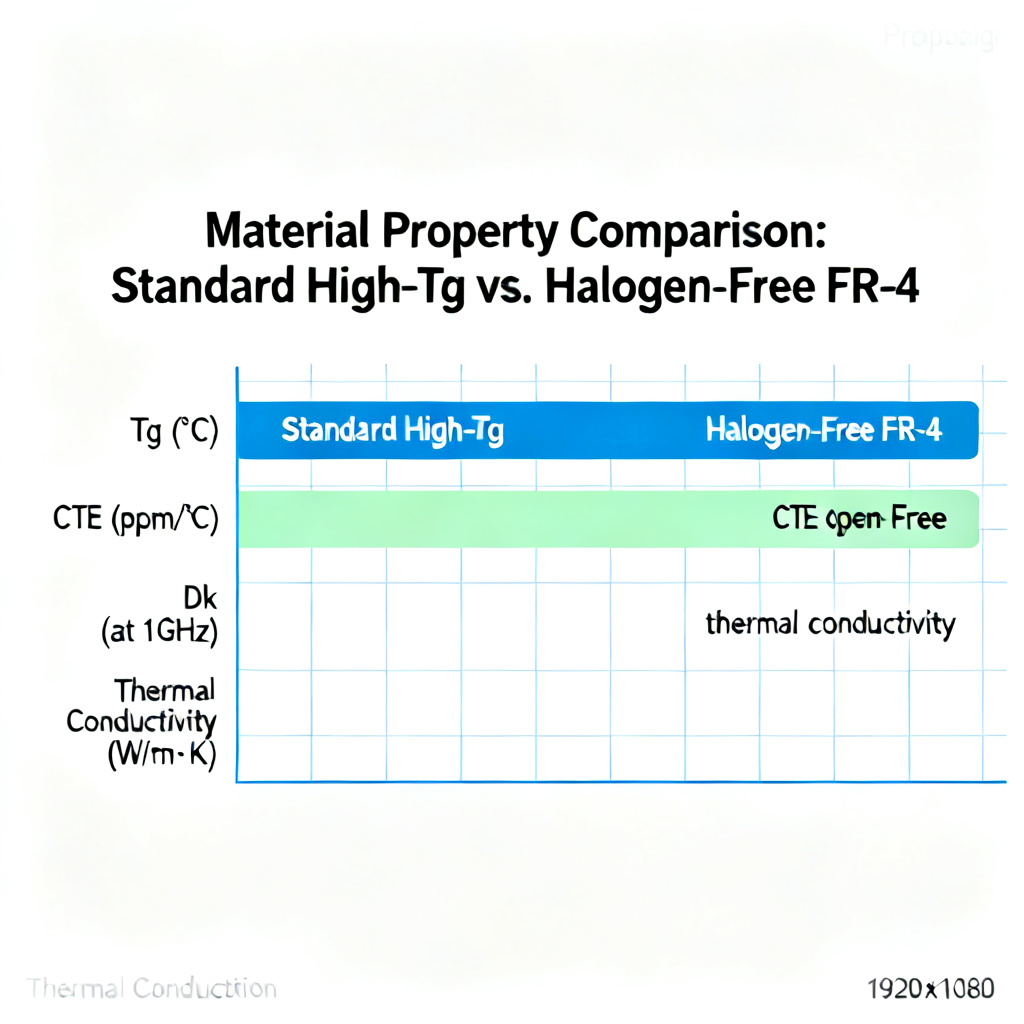
- Tg: Typically 150–170°C (some grades are also High‑Tg).
- Dk/Df: Slightly higher than standard FR‑4 (e.g., Dk 4.6–4.8 at 1 MHz).
- CTE: Comparable to standard FR‑4, but some formulations have improved Z‑axis CTE.
- Moisture absorption: Similar or slightly lower (0.08–0.12%).
- Thermal conductivity: Similar (~0.3–0.4 W/m·K).
4.3 When to Choose Halogen‑Free
Halogen‑free FR‑4 is mandatory for:
- Consumer electronics sold in EU (RoHS, WEEE, REACH)
- Medical devices (low toxicity in fire)
- Telecommunications equipment (e.g., 5G infrastructure)
- Green building and smart home devices
- Automotive interiors (low smoke, low toxicity)
4.4 Manufacturing Considerations
- Drilling: Slightly more brittle; use sharp carbide drills and avoid excessive feed.
- Plating: No special requirements; standard electroless and electrolytic copper work.
- Lamination: Some grades require slower ramp rates to avoid resin flow issues.
- Solder mask: Compatible, but test adhesion with your specific mask.
4.5 Cost and Lead Time
Halogen‑free FR‑4 typically costs 15–25% more than standard FR‑4. Availability is good, but some niche grades may have longer lead times (4–6 weeks).
Part 5: Selection Guide – Which FR‑4 Should You Choose?
5.1 Decision Matrix
| Application | Standard FR‑4 | High‑Tg FR‑4 | Halogen‑Free FR‑4 |
|---|---|---|---|
| Simple consumer electronics (2–4 layers) | ✓ Best | ✗ Overkill | ✓ If RoHS required |
| Multilayer boards (8+ layers) | ✗ Risk of delamination | ✓ Best | ✓ If also eco‑friendly |
| Lead‑free assembly (260°C peak) | ✗ Risk | ✓ Best | ✓ (if Tg ≥ 170°C) |
| Automotive under‑hood | ✗ Not recommended | ✓ Best | ✓ (low smoke) |
| High‑power LED | ✗ Thermal limit | ✓ Best | ✓ (eco‑friendly) |
| Medical devices | ✓ (low cost) | ✓ (reliability) | ✓ Best (low toxicity) |
| 5G telecom | ✗ Dk stability | ✓ Best | ✓ (eco‑friendly) |
| Prototypes | ✓ Best (low cost) | ✗ Overkill | ✓ (if required) |
5.2 Key Parameters to Compare
When specifying FR‑4, always request the following data from your laminate supplier:
- Tg (DSC or DMA) – confirm the actual value.
- Td (decomposition temperature) – indicates thermal robustness.
- Z‑axis CTE – especially above Tg.
- Dk and Df – at your operating frequency.
- Moisture absorption – critical for high‑humidity environments.
- Flammability rating – UL 94 V‑0 is standard, but also check IEC 61249 for halogen‑free.
5.3 Common Pitfalls to Avoid
- Assuming “High‑Tg” automatically means “better” – High‑Tg may have higher Dk or Df, affecting high‑frequency performance.
- Using standard FR‑4 for lead‑free assembly – even one reflow cycle at 260°C can cause delamination in thick boards.
- Ignoring halogen‑free requirements early in design – retrofitting can cause cost and lead time overruns.
- Not verifying supplier data sheets – different manufacturers have different performance within the same “FR‑4” category.
Part 6: Manufacturing Best Practices for FR‑4 Materials
6.1 Drilling and Routing
- Standard FR‑4: Use standard carbide drills; recommended chip load 0.02–0.05 mm/rev.
- High‑Tg FR‑4: Reduce chip load by 10–15%; use higher spindle speed (e.g., 180–220 krpm).
- Halogen‑Free FR‑4: Use sharp drills; avoid excessive feed to prevent burrs.
6.2 Lamination and Pressing
- Standard FR‑4: Typical press cycle: 170–180°C, 90–120 minutes, 200–300 psi.
- High‑Tg FR‑4: Increase press temperature to 190–200°C; longer dwell time (120–150 minutes).
- Halogen‑Free FR‑4: Follow manufacturer’s recommended ramp rate (often slower, e.g., 2–3°C/min).
6.3 Solder Mask and Silkscreen
- All FR‑4 variants are compatible with standard LPI solder masks (e.g., Taiyo PSR‑4000, Sun Chemical).
- For High‑Tg, ensure mask is fully cured (post‑cure at 150°C for 30 minutes if needed).
- For Halogen‑Free, test adhesion with your specific mask; some formulations have lower surface energy.
6.4 Surface Finishes
- ENIG (Electroless Nickel Immersion Gold): Works well with all FR‑4 types.
- HASL (Hot Air Solder Leveling): Standard for standard FR‑4; for High‑Tg, use lead‑free HASL.
- OSP (Organic Solderability Preservative): Good for all, but shelf life is limited.
- Immersion Silver/Tin: Suitable for all; ensure compatibility with halogen‑free resins.
Part 7: Frequently Asked Questions (FAQs)
Q1: Can I mix different FR‑4 types in the same board?
Yes, but it is not recommended for production. Different Tg and CTE values can cause warpage during lamination or soldering. For prototypes, it may be acceptable with careful process control.
Q2: Is Halogen‑Free FR‑4 always RoHS compliant?
Yes, by definition. However, always verify with your supplier that the material meets RoHS, REACH, and WEEE requirements.
Q3: Does High‑Tg FR‑4 cost significantly more?
Yes, typically 20–40% more than standard FR‑4. The cost increase is justified by improved reliability in demanding applications.
Q4: Can I use standard FR‑4 for lead‑free assembly?
Only for boards with ≤4 layers and thickness ≤1.6 mm. For thicker or multilayer boards, use High‑Tg FR‑4.
Q5: Which FR‑4 is best for high‑frequency designs (e.g., 5G)?
Standard FR‑4 has a Dk of ~4.5, which is too high for many RF designs. For frequencies above 1 GHz, consider low‑loss materials (e.g., Rogers, PTFE). However, for moderate frequencies (up to 3 GHz), High‑Tg FR‑4 with low Df (e.g., <0.015) can be acceptable.
Q6: How do I verify the Tg of my FR‑4?
Request a DSC (Differential Scanning Calorimetry) report from your laminate supplier. Alternatively, your PCB manufacturer can test a coupon from your panel.
Q7: Is Halogen‑Free FR‑4 more difficult to drill?
Slightly. The material is more brittle, so use sharp drills and reduce feed rate. Most experienced PCB manufacturers handle it without issues.
Part 8: Conclusion and Next Steps
Choosing the right FR‑4 material is a critical decision that impacts PCB reliability, cost, and compliance. Standard FR‑4 is the economical choice for simple, low‑temperature applications. High‑Tg FR‑4 is essential for multilayer, lead‑free, and high‑power designs. Halogen‑Free FR‑4 is the environmentally responsible option, required for many modern electronics.
At [Your Company Name], we specialize in manufacturing PCBs using all three FR‑4 variants. Our engineering team can help you select the optimal material for your specific application, ensuring the best balance of performance, cost, and compliance.
Ready to get started? Upload your design files for a free DFM review and instant quote. We support standard, High‑Tg, and Halogen‑Free FR‑4 with fast turnaround times and rigorous quality control.
This pillar content is part of our comprehensive library on PCB materials. Explore our other guides: [Link to “PCB Laminate Selection Guide”], [Link to “High‑Tg vs Standard FR‑4: A Detailed Comparison”], [Link to “Halogen‑Free PCB Materials: What You Need to Know”].
Technical References (synthesized from top sources):
- IPC‑4101 (Specification for Base Materials for Rigid and Multilayer Printed Boards)
- UL 94 (Tests for Flammability of Plastic Materials)
- IEC 61249‑2‑21 (Halogen‑Free Laminate Standard)
- Manufacturer data sheets for IT‑180A, S1000‑2, IS410, and equivalent grades.