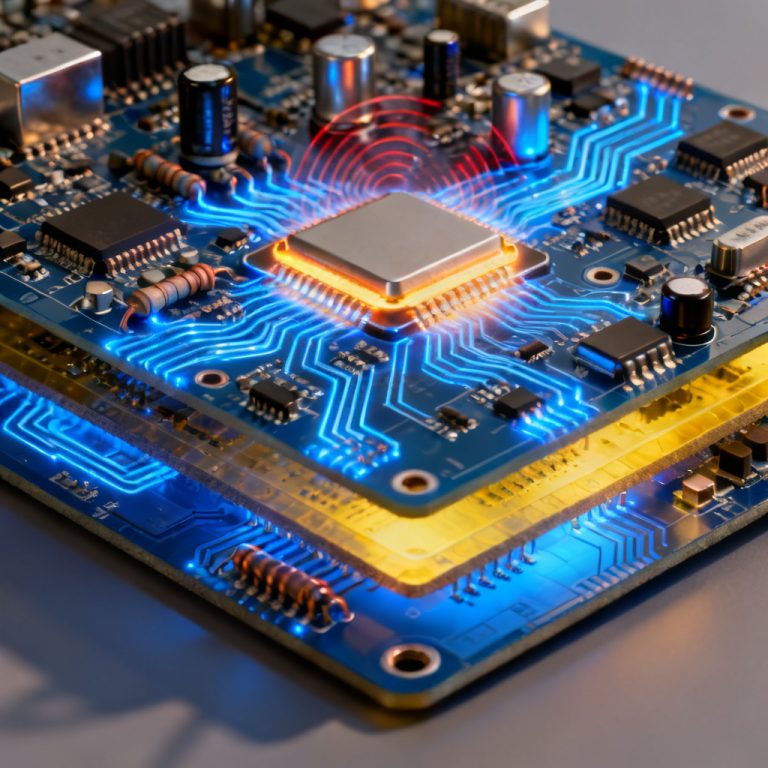
PCB Surface Finish Guide ENIG HASL OSP Immersion Silver Tin
This post “PCB Surface Finish Guide ENIG HASL OSP Immersion Silver Tin”provides a comprehensive comparison of ENIG, HASL, OSP, Immersion Silver, and Immersion Tin. Whether you are designing high-frequency RF boards, medical devices, or automotive electronics, choosing the right PCB surface finish is critical for reliability and cost. This guide consolidates expertise from leading manufacturers to help you make an informed decision.
Overview of PCB Surface Finish Options
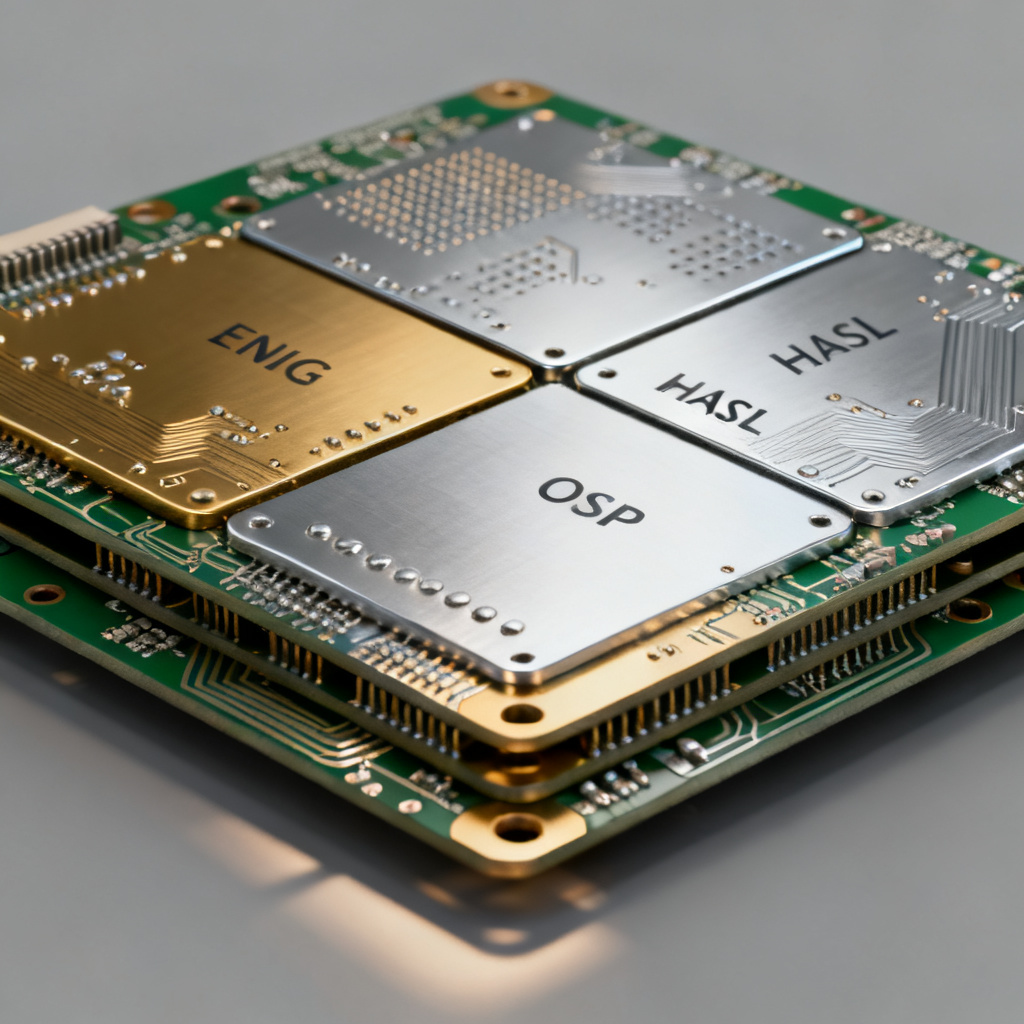
In this PCB Surface Finish Guide, we cover the four most common finishes: ENIG (Electroless Nickel Immersion Gold), HASL (Hot Air Solder Leveling), OSP (Organic Solderability Preservative), and Immersion Silver/Tin. Each finish has unique characteristics affecting solderability, shelf life, flatness, and cost.
HASL: The Industry Workhorse
HASL is a traditional, cost-effective finish where the PCB is dipped into molten solder and leveled with hot air. This PCB Surface Finish Guide highlights its excellent solderability and low cost, but poor flatness limits its use for fine-pitch components.
ENIG: The Premium Standard
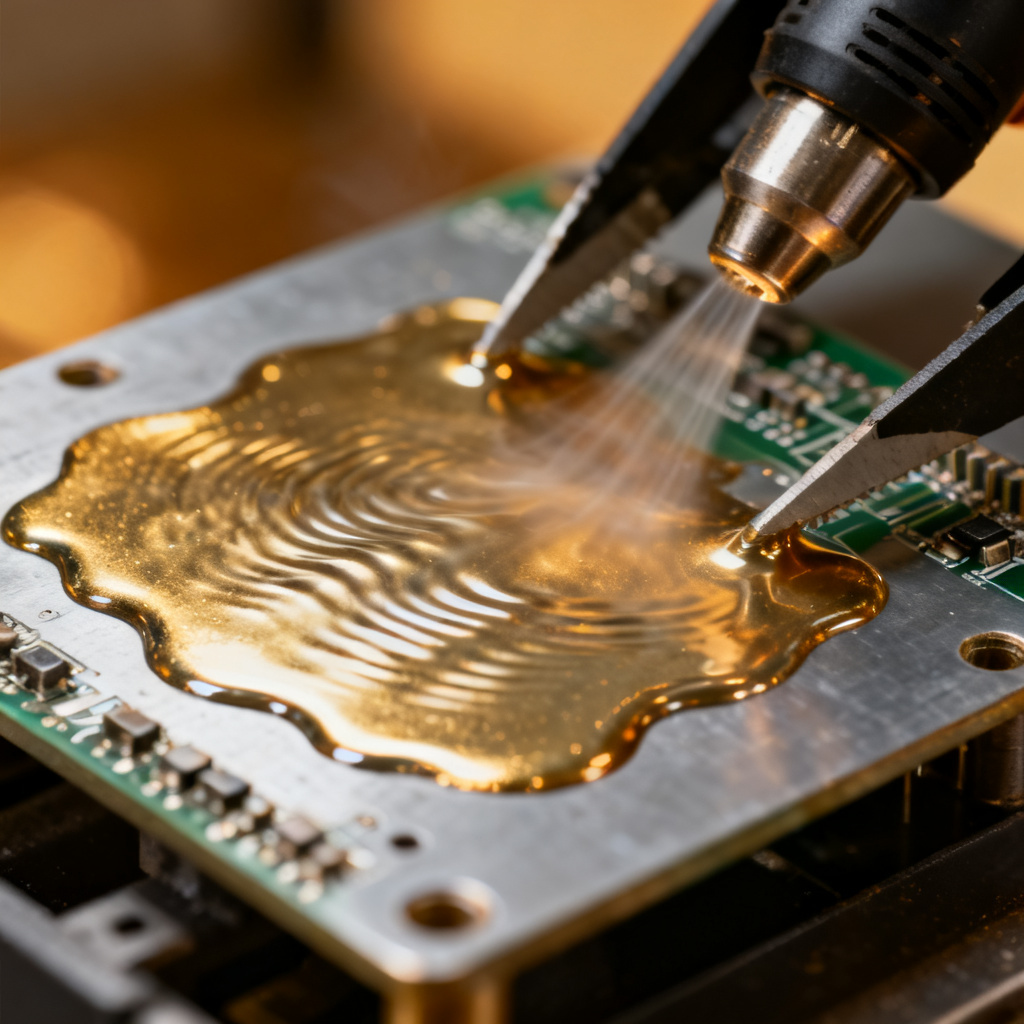
ENIG features a nickel layer followed by a thin gold layer, offering superior flatness and solderability. According to this PCB Surface Finish Guide, ENIG is ideal for high-density designs and RF circuits.
OSP: The Eco-Friendly Option
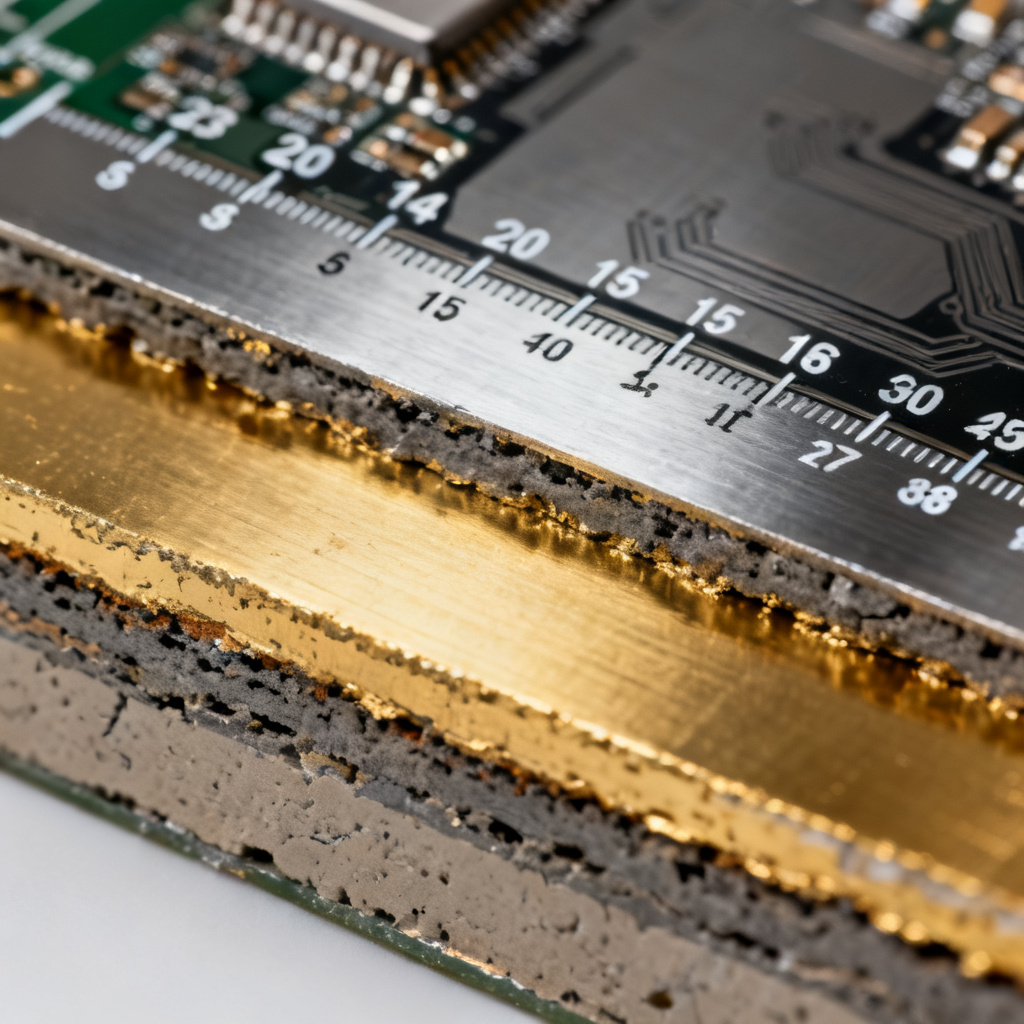
OSP uses an organic compound to protect copper. This PCB Surface Finish Guide notes its low cost and excellent flatness, but short shelf life requires careful handling.
Immersion Silver: The High-Frequency Specialist
Immersion silver deposits a thin silver layer for excellent conductivity. This PCB Surface Finish Guide recommends it for RF applications up to 10 GHz.
Immersion Tin: The Lead-Free Alternative
Immersion tin provides a flat, lead-free finish. This PCB Surface Finish Guide warns about tin whiskers and recommends anti-whisker additives.
PCB Surface Finish Guide: Comprehensive Comparison Table
| Finish | Cost (per sq in) | Shelf Life | Flatness | Solderability | Best For | Avoid |
|---|---|---|---|---|---|---|
| HASL | $0.02-0.05 | 12-24 months | Poor | Excellent | Prototyping, through-hole | Fine-pitch, HDI |
| ENIG | $0.10-0.20 | 12-24 months | Excellent | Excellent | HDI, RF, medical | High-humidity storage |
| OSP | $0.01-0.03 | 3-6 months | Excellent | Good (short-term) | Consumer electronics | Long storage, multiple reflow |
| Immersion Silver | $0.05-0.10 | 6-12 months | Excellent | Excellent | RF, fine-pitch | High-voltage, sulfur |
| Immersion Tin | $0.04-0.08 | 6-12 months | Excellent | Good | Press-fit, lead-free | High-reliability, high-temp |
PCB Surface Finish Guide: How to Choose the Right Finish
By Application
This PCB Surface Finish Guide recommends ENIG for medical devices, OSP for consumer electronics, and Immersion Silver for RF circuits.
By Component Type
For fine-pitch BGAs, this PCB Surface Finish Guide suggests ENIG or Immersion Silver. For through-hole connectors, HASL is optimal.
By Manufacturing Constraints
Multiple reflow cycles require ENIG or HASL. Long storage prefers ENIG. Lead-free assembly uses ENIG, Immersion Silver, or Immersion Tin.
Common Pitfalls and Best Practices
Black Pad in ENIG
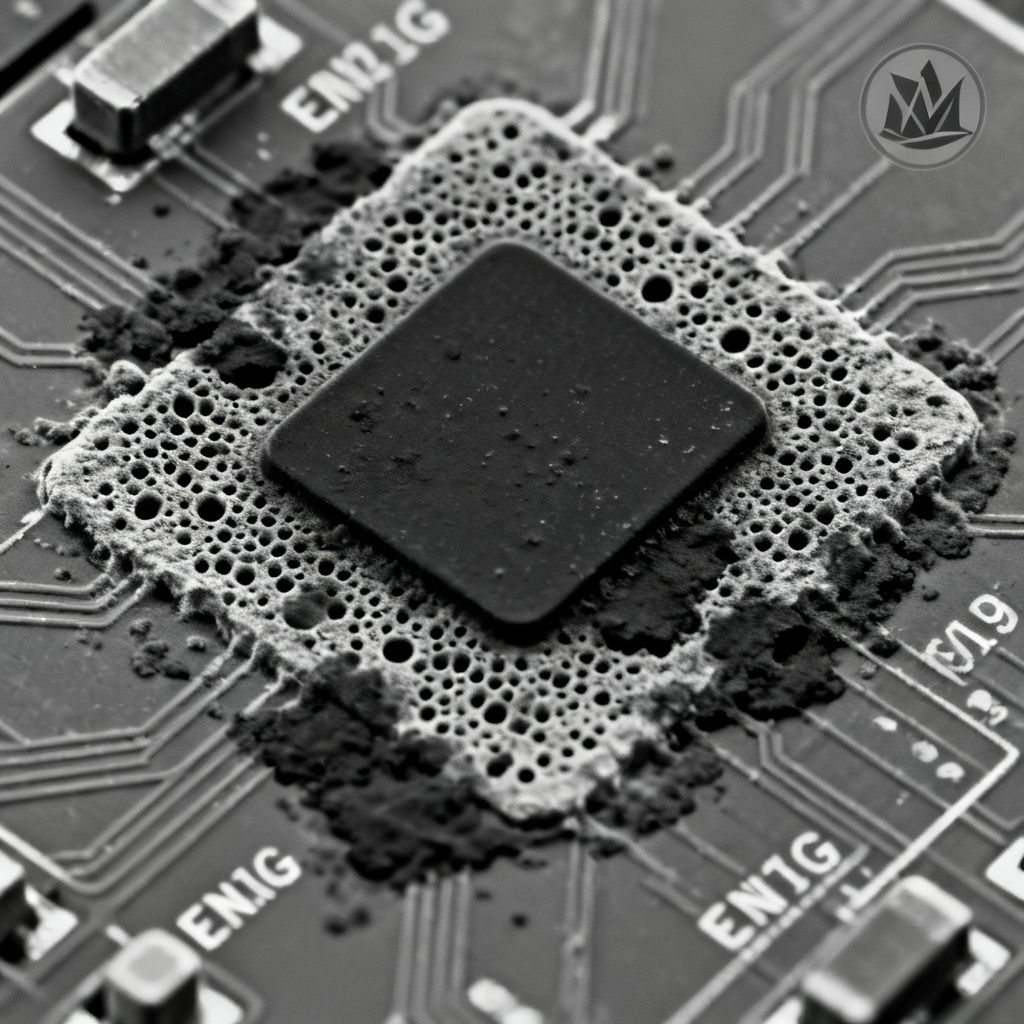
This PCB Surface Finish Guide explains black pad as nickel corrosion. Use IPC-4552 certified suppliers to mitigate.
Solder Bridging in HASL
Uneven solder coating causes bridging. Use solder mask dams or switch to ENIG for fine-pitch designs.
Tin Whiskers in Immersion Tin
Stress-induced whiskers require anti-whisker additives or conformal coating.
OSP Degradation
Humidity and heat degrade OSP. Store below 25°C and 50% RH, and assemble within 48 hours.
Cost Analysis: Real-World Examples
Based on data from PCBWay and Eurocircuits, this PCB Surface Finish Guide provides examples: a 4-layer board, 100x100mm, 1000 units costs $0.78 for HASL, $2.33 for ENIG, $0.31 for OSP, and $1.24 for Immersion Silver.
Emerging Trends and Future Outlook
New OSP variants withstand 260°C for 30 seconds. Immersion Silver with anti-tarnish additives extends shelf life. ENIG with soft gold is gaining traction for wire bonding.
Glossary of Key Terms
Electroless Nickel Immersion Gold (ENIG): A finish with a nickel barrier and gold layer for flatness and solderability. Hot Air Solder Leveling (HASL): A solder dip finish with excellent solderability but poor flatness. Organic Solderability Preservative (OSP): A water-based organic coating for short-term protection. Immersion Silver: A thin silver layer for RF applications. Immersion Tin: A tin layer for lead-free assembly. Black Pad: Corrosion of nickel in ENIG. Tin Whiskers: Crystalline growths from tin layers. Creep Corrosion: Silver migration under humidity and voltage.
Frequently Asked Questions
What is the best PCB surface finish for high-frequency applications?
According to this PCB Surface Finish Guide, Immersion Silver is the best finish for high-frequency RF applications up to 10 GHz due to its low resistivity and excellent solderability.
How does ENIG compare to HASL in a PCB surface finish guide?
This PCB Surface Finish Guide shows ENIG offers superior flatness and shelf life for fine-pitch components, while HASL is more cost-effective for prototyping and through-hole designs.
What is the shelf life of OSP in a PCB surface finish?
This PCB Surface Finish Guide states OSP has a shelf life of 3-6 months under proper storage conditions (below 25°C and 50% RH).
Why is Immersion Tin not recommended for high-reliability applications?
This PCB Surface Finish Guide explains that Immersion Tin is prone to tin whiskers and copper-tin intermetallic formation, which can reduce reliability under thermal cycling.
Which PCB surface finish is best for lead-free assembly?
This PCB Surface Finish Guide recommends ENIG, Immersion Silver, or Immersion Tin for lead-free assembly, as they are compatible with lead-free solders and high reflow temperatures.
Conclusion: Making the Right Choice for Your Project
This PCB Surface Finish Guide emphasizes that the ideal finish depends on cost, reliability, component pitch, and assembly timeline. For prototyping, HASL is robust and cost-effective. For high-density designs, ENIG is the gold standard. For high-volume consumer electronics, OSP offers unbeatable cost. For RF applications, Immersion Silver provides best signal integrity. At [Your Company Name], we provide tailored PCB fabrication solutions with all these finishes. Contact us today for a free quote and expert consultation.